Types of CCTV Cameras: A Comprehensive Guide to Choosing the Right One
The demand for CCTV surveillance in Kenya has surged in recent years due to rising concerns about safety and security across urban and rural areas. As crime rates increase, businesses, homeowners, and institutions are turning to advanced security systems to protect their assets and loved ones. CCTV cameras play a vital role in deterring crime, monitoring properties, and providing essential evidence during incidents. Choosing the right camera is critical to ensuring effective surveillance, as different types serve unique purposes. This guide highlights various CCTV options, their features, use cases, and availability in Kenya, helping you select the best solution for your specific security needs.
Dome CCTV Cameras
What Are Dome CCTV Cameras?
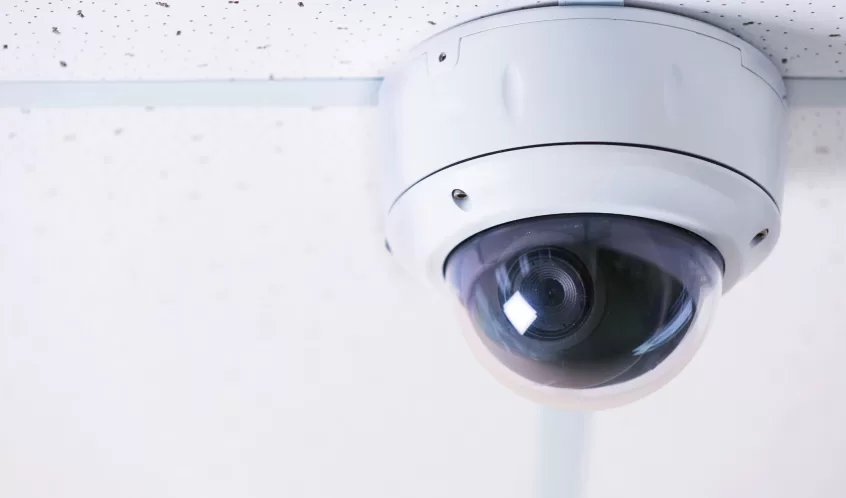
Dome CCTV cameras are a popular type of surveillance camera known for their round, dome-shaped design, which makes them discreet and often harder to detect. These cameras are usually installed in ceilings or high up on walls, providing a 360-degree view of the area they are monitoring. The camera lens is often housed within a transparent, dome-like cover, which can be tinted to reduce glare and improve clarity. Due to their sleek design, dome cameras are particularly favored for indoor surveillance but can also be used in some outdoor environments when properly weatherproofed. Their unobtrusive design helps them blend into the surroundings, offering a more aesthetically pleasing alternative to larger, more conspicuous cameras.
Key Features and Advantages
Dome CCTV cameras come with several key features and advantages, making them ideal for various security needs:
Discreet Design: The rounded, compact shape allows the camera to blend seamlessly into its environment, reducing the risk of tampering or vandalism.
Vandal-Resistant: Many dome cameras are built with sturdy, tamper-resistant materials, often including a strong plastic or glass dome to protect the lens and camera components from damage or tampering.
Wide Coverage Area: Due to their 360-degree rotation capability (in some models), dome cameras can monitor large areas with a single unit, minimizing the need for multiple cameras in the same space.
Ease of Installation: Dome cameras are generally easy to install, with many options available for both ceiling and wall mounting.
Night Vision: Many dome cameras come equipped with infrared (IR) sensors that enable clear, high-quality surveillance even in low-light or complete darkness.
Variety of Lenses: Dome cameras are available with a range of lenses, from wide-angle to zoom lenses, allowing for flexible monitoring solutions tailored to different environments.
Best Use Cases for Dome CCTV Cameras
Dome CCTV cameras are versatile and suitable for a wide range of surveillance environments. Some of the best use cases include:
Retail Stores and Malls: Their discreet nature allows them to monitor aisles, counters, and entrances without drawing attention to their presence, which helps in deterring theft or other criminal activities.
Offices and Lobbies: Dome cameras are an excellent choice for monitoring office spaces, corridors, and reception areas. Their compact size and ability to cover wide areas make them effective for these settings.
Hospitals and Healthcare Facilities: In hospitals, dome cameras can provide surveillance in hallways, waiting rooms, and parking lots, where clear and broad monitoring is necessary. Their discreet design also ensures they do not disrupt the serene environment.
Educational Institutions: In schools and universities, dome cameras help keep an eye on hallways, classrooms, and other public spaces, ensuring security without disturbing the atmosphere.
Public Spaces: Dome cameras are often used in public areas such as airports, train stations, and bus terminals, where they provide comprehensive coverage and act as a deterrent to crime.
Price Range and Availability in Kenya
In Kenya, dome CCTV cameras are widely available, with a variety of options to suit different budgets and security needs. Prices can vary depending on features such as resolution, camera type (analog or IP), and added functions such as night vision and remote viewing capabilities. Here’s a general price range for dome CCTV cameras available at Mwanga:
Standard Dome Cameras: These cameras, often offering HD or 1080p resolution, typically range between KES 5,000 to KES 15,000. They are well-suited for basic indoor surveillance in smaller spaces like offices and homes.
High-Resolution IP Dome Cameras: Offering superior image quality, high-definition (HD), and enhanced features such as remote monitoring and internet connectivity, these can range from KES 15,000 to KES 40,000, depending on the specifications.
Outdoor Dome Cameras: Weatherproof, vandal-resistant dome cameras suitable for outdoor use can range from KES 10,000 to KES 30,000. These cameras are designed to withstand harsh weather conditions and provide clear surveillance footage in challenging environments.
At Mwanga, you can find a wide selection of dome CCTV cameras tailored to both residential and commercial needs. They offer high-quality products backed by expert advice and installation services. Mwanga is recognized for providing top-tier security solutions, ensuring that you get the right CCTV system for your specific requirements. Whether you need a simple setup for your home or a complex system for your business, Mwanga offers competitive prices and excellent customer support.
Bullet CCTV Cameras
What Are Bullet CCTV Cameras?
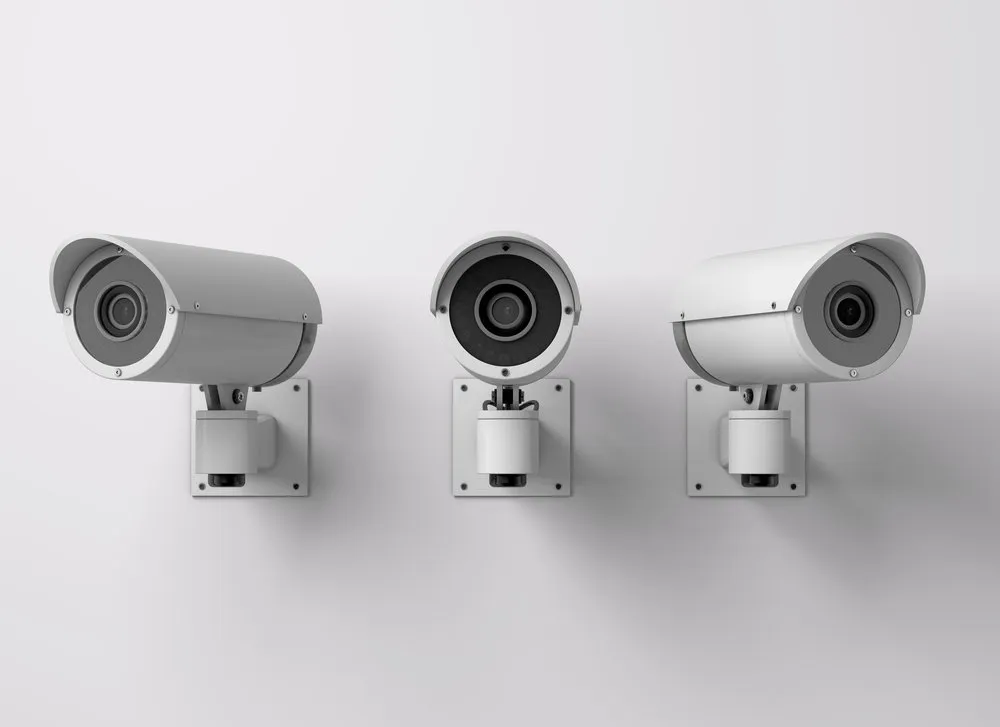
Bullet CCTV cameras are easily identifiable by their distinct cylindrical shape, resembling a "bullet" or "tube." They are designed for long-range surveillance and are typically mounted on walls or ceilings. These cameras often come with a fixed or adjustable lens and are known for their ability to focus on a specific area, making them ideal for monitoring particular zones or entrances. Bullet cameras are available in both analog and IP models and are usually equipped with infrared (IR) technology, which allows them to capture clear footage even in low-light conditions. Due to their sturdy design and powerful features, bullet CCTV cameras are well-suited for both residential and commercial use.
Key Features and Advantages
Bullet CCTV cameras offer several features and benefits that make them a popular choice for various security applications:
Long-Range Surveillance: Bullet cameras are designed to provide clear images over long distances, making them ideal for monitoring large outdoor areas, parking lots, or entryways.
Fixed Focus or Adjustable Lenses: Many bullet cameras feature fixed lenses for a consistent field of view or adjustable lenses that allow users to zoom in on specific areas. This flexibility ensures precise monitoring of targeted locations.
Durable and Weatherproof: Bullet cameras are often built with weatherproof casings, which makes them suitable for outdoor use. Many are rated with an IP (Ingress Protection) level that indicates how resistant they are to dust, water, and extreme temperatures.
Infrared (IR) Night Vision: Equipped with IR sensors, bullet cameras can record high-quality footage even in complete darkness, ensuring round-the-clock surveillance, day or night.
Clear and High-Resolution Footage: Bullet cameras typically offer high-definition (HD) or even ultra-high-definition (UHD) video quality, which is essential for capturing fine details like facial features, license plates, or other important data.
Visible Deterrence: The large, noticeable design of bullet cameras serves as an effective deterrent to potential intruders or criminals, signaling that the area is being closely monitored.
Ideal Installation Locations for Bullet Cameras
Bullet CCTV cameras are versatile and can be installed in various locations, depending on the surveillance needs. Some ideal installation locations include:
Building Entrances and Exits: Bullet cameras are perfect for monitoring main entryways and exits to capture detailed footage of anyone entering or leaving a building. Their fixed or adjustable focus allows clear identification of individuals and vehicles.
Perimeter Surveillance: Bullet cameras can be installed along fences, walls, or property perimeters to monitor the boundaries of your property. Their long-range capabilities make them ideal for covering expansive outdoor spaces.
Parking Lots and Driveways: Due to their ability to capture clear, long-distance footage, bullet cameras are perfect for monitoring parking areas and driveways, where they can capture important details such as vehicle license plates or the movement of people.
Stairways and Hallways: For both residential and commercial settings, bullet cameras can be strategically placed in hallways, stairways, or corridors to monitor high-traffic areas or ensure security in commonly used spaces.
Public Areas: Bullet cameras are often used in public places like malls, parks, or streets to monitor large areas effectively. They can be mounted on poles or walls to cover broad zones and ensure maximum visibility.
2.4 Price Range and Availability in Kenya
In Kenya, bullet CCTV cameras are available in a range of models suited to different budgets and security requirements. The price of bullet cameras depends on factors such as resolution, build quality, and additional features like night vision and remote connectivity. Here's a general price range for bullet CCTV cameras available at Mwanga:
Standard Bullet Cameras: These cameras, typically offering HD (1080p) resolution and basic features such as IR night vision, can range from KES 6,000 to KES 15,000. These cameras are well-suited for residential properties or small businesses.
High-Resolution Bullet Cameras: With features such as 4K resolution, advanced infrared technology, and enhanced image clarity, these models can range from KES 15,000 to KES 30,000. These are ideal for those requiring high-quality footage and longer-range monitoring.
Outdoor Bullet Cameras: Weatherproof and durable, these cameras are built to withstand harsh outdoor conditions. Prices for these models generally range from KES 12,000 to KES 25,000, depending on the quality and features.
At Mwanga, you will find an extensive range of bullet CCTV cameras tailored to your specific needs. Whether you're looking for a basic surveillance setup or a high-tech, long-range monitoring solution, Mwanga offers competitive prices and expert advice. They are known for providing reliable, durable, and high-performance security cameras, ensuring that you get the best possible CCTV solution for your home or business.
PTZ (Pan-Tilt-Zoom) Cameras
What Are PTZ CCTV Cameras?
PTZ (Pan-Tilt-Zoom) CCTV cameras are advanced surveillance cameras that offer enhanced functionality compared to traditional fixed cameras. As the name suggests, PTZ cameras have the ability to pan (move horizontally), tilt (move vertically), and zoom (adjust the lens to focus on a specific area). These capabilities allow PTZ cameras to cover a larger area and track moving objects, making them ideal for both dynamic surveillance and long-range monitoring. PTZ cameras can be manually controlled or set to move automatically based on pre-configured settings or motion detection, offering significant flexibility in security applications.
The ability to remotely control the pan, tilt, and zoom functions is a key advantage of PTZ cameras, making them useful in high-security environments where continuous monitoring of large or busy areas is required.
Key Features and Benefits of PTZ Cameras
PTZ cameras offer numerous features that make them highly versatile and beneficial for security monitoring. Here are some of the key features and benefits:
Pan, Tilt, and Zoom Functions: PTZ cameras allow users to adjust the camera’s field of view by panning horizontally, tilting vertically, and zooming in on specific objects or areas. This flexibility provides comprehensive coverage of an area and allows users to focus on important details.
Remote Control: PTZ cameras can be controlled remotely, allowing operators to adjust the camera’s position and zoom in on areas of interest from a distance. This can be done via computer software, mobile apps, or specialized controllers, making it highly convenient for security personnel.
Automatic Tracking: Many PTZ cameras are equipped with motion detection or tracking technology, allowing the camera to automatically follow moving objects or individuals within its field of view. This ensures that no important movements go unnoticed.
High-Resolution Video Quality: PTZ cameras often provide high-definition video quality, which ensures that details like faces, license plates, or specific actions are clearly visible, even at long distances.
Wide Coverage Area: Due to their ability to pan, tilt, and zoom, PTZ cameras are capable of covering a large area with fewer cameras, reducing the number of devices needed for comprehensive surveillance.
Preset Positions: PTZ cameras can be set to move between preset positions automatically, allowing them to patrol a specific area at regular intervals. This feature is particularly useful for monitoring large or critical areas such as parking lots, entryways, or crowded public spaces.
Best Use Cases for PTZ CCTV Cameras
PTZ cameras are highly flexible and can be used in various scenarios where continuous surveillance and tracking are essential. Some of the best use cases include:
Large Outdoor Spaces: PTZ cameras are ideal for monitoring expansive outdoor areas such as parking lots, stadiums, campuses, and industrial facilities. The ability to cover wide areas and zoom in on specific points makes PTZ cameras suitable for managing large spaces.
Public Areas and Events: PTZ cameras are frequently used in public spaces, such as city streets, malls, or during large events, to provide a comprehensive overview of activities and track potential threats or unusual behavior. The ability to zoom in on specific individuals or groups is valuable for crowd control or emergency response.
Critical Infrastructure and High-Security Zones: In high-security areas like government buildings, airports, or power plants, PTZ cameras are employed to monitor entrances, perimeters, and restricted areas. Their ability to follow suspicious activity or unauthorized movement makes them an essential part of security operations.
Retail Environments: In retail settings, PTZ cameras can be used to monitor large stores, warehouses, or parking lots, tracking potential theft, vandalism, or customer behavior. The ability to adjust the camera's position in real time allows security teams to respond quickly to incidents.
Traffic Monitoring and Control: PTZ cameras are often installed along roads, highways, and intersections to monitor traffic flow, accidents, or congestion. The zoom feature enables detailed inspection of license plates, vehicle models, or traffic violations.
Price Range and Availability in Kenya
PTZ cameras are available in various models, offering different levels of resolution, zoom capabilities, and additional features. The price range for PTZ cameras in Kenya varies based on specifications such as resolution, camera housing, and advanced features like auto-tracking or preset positions. Here's an overview of PTZ camera pricing available at Mwanga:
Standard PTZ Cameras: Entry-level PTZ cameras with basic features such as pan, tilt, and optical zoom typically range from KES 35,000 to KES 60,000. These models are ideal for home or small business use, offering a good balance between affordability and performance.
Mid-Range PTZ Cameras: Cameras offering higher resolution (1080p or 4K), increased zoom capabilities (e.g., 10x, 20x optical zoom), and additional features like auto-tracking can cost between KES 60,000 and KES 150,000. These cameras are suited for commercial and medium-scale security installations.
High-End PTZ Cameras: Premium PTZ cameras that offer advanced features like 4K resolution, high optical zoom (30x or more), and robust build quality for outdoor use may range from KES 150,000 to KES 300,000 or more. These are perfect for high-security areas such as airports, government buildings, or large enterprises.
At Mwanga, you can find a range of PTZ cameras with varying capabilities to suit your specific security needs. Mwanga offers the best quality PTZ cameras, ensuring top-notch surveillance performance, ease of installation, and reliable after-sales support for all types of installations.
IP (Internet Protocol) Cameras
What Are IP Cameras?
IP (Internet Protocol) cameras are digital surveillance cameras that transmit video data over a network, typically the internet or a local area network (LAN). Unlike analog CCTV cameras, which rely on coaxial cables to transmit video signals to a DVR (Digital Video Recorder), IP cameras send their video signals via IP networks, enabling greater flexibility and advanced features.
IP cameras are available in both wired and wireless configurations and can be accessed remotely via mobile devices or computers. This remote connectivity makes them ideal for real-time surveillance and monitoring from any location with internet access. The higher resolution and digital format of IP cameras also contribute to superior image quality compared to analog alternatives.
Benefits of IP Cameras Over Analog Systems
IP cameras offer several advantages over traditional analog CCTV cameras, making them the preferred choice for modern surveillance systems. Here are the key benefits:
Higher Resolution: IP cameras typically offer much higher resolutions (up to 4K) compared to analog cameras, providing clearer and more detailed images. This higher resolution is particularly useful for identifying faces, reading license plates, and monitoring activities from greater distances.
Scalability: One of the significant advantages of IP cameras is their scalability. Unlike analog systems that require a dedicated DVR for each camera, IP cameras can be integrated into a network, making it easier to add more cameras without major upgrades or infrastructure changes.
Remote Access and Control: IP cameras allow users to view live footage and access recorded video remotely through a smartphone, tablet, or computer. This remote access makes them ideal for monitoring multiple locations or businesses without being physically present.
Digital Video Quality: Since IP cameras are digital, they offer superior video quality with less interference or distortion compared to analog systems. The digital video signal also allows for more advanced features such as motion detection, video analytics, and automatic alerts.
Power over Ethernet (PoE): Many IP cameras support PoE, which allows both power and data transmission through a single Ethernet cable. This simplifies installation by reducing the need for multiple cables and power sources.
Advanced Features: IP cameras are often equipped with advanced features such as built-in microphones, motion detection, two-way audio, and smart video analytics, including facial recognition or intrusion detection, enhancing overall surveillance effectiveness.
Wired Installation: For wired IP cameras, the system connects via an Ethernet cable to a local network (router or switch). A Power over Ethernet (PoE) switch or injector is often used to provide power and data to the camera through the same cable.
Wireless Installation: Wireless IP cameras, on the other hand, connect to the network via Wi-Fi, reducing the need for physical cables. Wireless cameras are typically more flexible in terms of installation but can be subject to network interference or reduced performance over long distances.
Network Requirements: IP cameras require a stable and high-speed internet connection, especially for remote access and high-definition streaming. It's important to ensure that the network infrastructure (routers, switches, bandwidth) can support the required number of cameras without lag or connection drops.
Remote Monitoring Setup: After installation, remote access can be configured through a mobile app, browser-based interface, or dedicated software. Most modern IP camera systems allow for cloud storage or video recording on a network video recorder (NVR), where users can review recorded footage and manage camera settings remotely.
Security Considerations: As IP cameras are connected to the internet or a local network, securing the cameras against hacking or unauthorized access is critical. Ensuring that cameras are equipped with strong passwords, encrypted data transmission, and updated firmware helps protect the integrity of the surveillance system.
Price Range and Availability in Kenya
The price of IP cameras in Kenya varies based on factors such as resolution, features, connectivity, and brand. Here's a breakdown of the typical price ranges for IP cameras available at Mwanga:
Basic IP Cameras: These cameras typically offer standard HD (720p) or Full HD (1080p) resolution, and they are suitable for small homes or businesses. The price range for these cameras is between KES 10,000 and KES 25,000. These cameras come with essential features like remote viewing, motion detection, and two-way audio.
Mid-Range IP Cameras: Cameras with higher resolution (2K or 4K), enhanced night vision, and better build quality can be found in this price range. These cameras are often equipped with PoE support and advanced features such as motion tracking and smart video analytics. Expect to pay between KES 25,000 and KES 60,000 for these models, which are ideal for medium-sized businesses or commercial properties.
High-End IP Cameras: Premium IP cameras, which feature advanced capabilities such as 4K resolution, integrated video analytics, facial recognition, and outdoor-ready weatherproof designs, can cost between KES 60,000 and KES 150,000. These cameras are used in high-security environments like airports, government buildings, or large enterprises.
NVR Systems and Accessories: For businesses or large installations, you might need a Network Video Recorder (NVR) to store and manage the video footage. NVR systems typically range from KES 30,000 to KES 100,000 or more, depending on the number of camera channels and storage capacity. Additional accessories such as PoE switches, surge protectors, and external hard drives may add to the overall cost.
At Mwanga, you can find a comprehensive range of IP cameras that offer advanced features, high-quality video resolution, and flexible installation options to suit both residential and commercial needs. Mwanga provides expert installation services and reliable customer support to ensure that your IP camera system performs optimally.
Wireless CCTV Cameras
What Are Wireless CCTV Cameras?
Wireless CCTV cameras are surveillance cameras that transmit video footage over a wireless network, such as Wi-Fi, instead of using traditional coaxial or Ethernet cables. These cameras rely on a stable internet connection or local network to send video data to a recording device or cloud storage. Wireless CCTV cameras are equipped with built-in Wi-Fi modules, making installation easier and more flexible.
Wireless CCTV systems are particularly popular for home security and small to medium-sized business environments due to their convenience and ease of setup. They provide the same functionality as wired CCTV systems but without the need for extensive cabling, making them ideal for locations where running wires is difficult or unsightly.
Benefits of Going Wireless
Wireless CCTV cameras offer several advantages over traditional wired systems, making them a popular choice for modern surveillance needs. Here are the key benefits:
Easier Installation: One of the most significant advantages of wireless CCTV cameras is their ease of installation. There is no need for drilling holes or running wires throughout the property. This makes them ideal for people who want a hassle-free setup or for properties where installing wires would be cumbersome or impractical.
Flexible Placement: Wireless cameras can be placed almost anywhere within the range of the Wi-Fi network. This flexibility allows you to adjust the placement of cameras easily if you need to change the surveillance coverage area, providing greater versatility than wired cameras.
Remote Access: Wireless CCTV systems can be accessed remotely via smartphones, tablets, or computers, allowing you to monitor your property from anywhere with an internet connection. This is especially convenient for business owners or homeowners who need to keep an eye on their property while away.
No Need for Power Cables: Many wireless cameras are equipped with rechargeable batteries or can be powered by Power over Ethernet (PoE) through the same connection that transmits video data. This reduces the need for separate power lines, making the installation process even simpler.
Discreet and Aesthetic: Wireless CCTV cameras are often smaller and more discreet than wired models, and without visible wires, they blend in seamlessly with the environment. This makes them an ideal choice for homeowners or businesses that want to maintain an aesthetic look while ensuring security.
Cost-Effective for Smaller Installations: For smaller installations, wireless CCTV cameras are often more cost-effective than their wired counterparts, as they do not require extensive cabling or dedicated installation services.
How Wireless Cameras Differ from Wired Options
While both wireless and wired CCTV cameras serve the same purpose—providing surveillance—they differ in several important ways:
Installation Complexity: Wired CCTV systems require running cables between each camera and the recording device (e.g., DVR or NVR), which can be time-consuming and costly, especially in large properties or buildings. In contrast, wireless cameras only require a stable Wi-Fi connection and power, making them much easier and faster to install.
Reliability: Wired CCTV systems are generally more reliable since they are not subject to interference from the wireless network. Wireless cameras, however, can be affected by poor Wi-Fi signals or network congestion, which can cause video quality issues or connection drops. It's crucial to have a strong and stable internet connection for wireless cameras to perform optimally.
Range and Connectivity: The range of wireless cameras depends on the strength and coverage of the Wi-Fi network. If the camera is placed too far from the router or Wi-Fi access point, the signal may weaken, leading to poor video streaming or loss of connection. Wired cameras, on the other hand, are not affected by distance as long as the cables are long enough to reach the recording device.
Power Requirements: Wireless CCTV cameras often rely on rechargeable batteries or PoE for power, which can limit their operating time or require regular charging. Wired CCTV systems, however, are typically powered directly through the cables, ensuring continuous operation without the need for recharging.
Video Quality: Wireless cameras typically offer video quality similar to wired options, but the overall quality may be influenced by factors such as network speed and bandwidth. Wired cameras, especially those connected to high-quality DVRs or NVRs, may offer more consistent video quality and better performance in high-traffic areas.
Price Range and Availability in Kenya
The price of wireless CCTV cameras in Kenya can vary depending on the camera’s features, resolution, and brand. Here’s a breakdown of the typical price ranges for wireless CCTV cameras available at Mwanga:
Basic Wireless CCTV Cameras: These cameras are typically HD (720p or 1080p) resolution and come with basic features like remote access and motion detection. They are suitable for home use or small business installations. The price range for these cameras is between KES 8,000 and KES 20,000. These models often come with a simple app interface for monitoring footage remotely.
Mid-Range Wireless CCTV Cameras: Cameras in this category offer higher resolutions (2K or 4K), advanced features such as night vision, motion detection alerts, and the ability to integrate with smart home systems. They can be used for medium-sized businesses or more complex residential setups. The price for these cameras ranges from KES 20,000 to KES 50,000. Many of these cameras also include cloud storage options and advanced security features.
High-End Wireless CCTV Cameras: Premium wireless CCTV cameras with 4K resolution, enhanced night vision, AI-driven features (such as facial recognition or object tracking), and high-quality audio capabilities can cost between KES 50,000 and KES 100,000. These cameras are ideal for large enterprises, high-security areas, or locations that require detailed monitoring with additional advanced features.
Cloud Storage and Additional Accessories: Some wireless cameras offer cloud storage plans for video footage, which typically cost KES 1,000 to KES 5,000 per month, depending on the storage capacity. Additional accessories such as solar panels (for battery charging), PoE injectors, or protective enclosures can add to the cost.
At Mwanga, you can find a variety of wireless CCTV cameras tailored to different needs and budgets. Whether you're looking for basic home security or a high-end commercial surveillance solution, Mwanga offers reliable products with expert installation services and ongoing support to ensure your wireless CCTV system performs optimally.
Thermal CCTV Cameras
What Are Thermal CCTV Cameras?
Thermal CCTV cameras, also known as infrared cameras, are specialized surveillance devices that capture heat signatures instead of visible light. These cameras detect infrared radiation emitted by objects and convert it into a visible image, which is often shown in varying color schemes to highlight temperature differences. Thermal CCTV cameras are particularly useful in low-light or no-light environments, as they do not rely on ambient light to function.
Unlike traditional CCTV cameras that record visible light in the color spectrum, thermal cameras detect the heat emitted by objects, animals, and humans. This allows them to "see" through darkness, smoke, fog, and other environmental factors that can obscure vision in standard cameras.
Thermal CCTV cameras are often used in sensitive security areas, industrial applications, and for monitoring critical infrastructure, as they provide a clearer view of heat signatures and help detect potential intruders or issues that might not be visible with standard cameras.
Applications of Thermal Cameras in Surveillance
Thermal CCTV cameras are widely used in various sectors due to their ability to provide clear and reliable surveillance in low-visibility conditions. Below are some of the common applications of thermal cameras in surveillance:
Perimeter Security: Thermal cameras are perfect for monitoring large outdoor areas such as industrial sites, warehouses, or private properties. They can detect heat signatures of intruders or unauthorized personnel attempting to breach secure zones, even in complete darkness or harsh weather conditions.
Fire Detection and Prevention: Thermal cameras can detect abnormal heat levels in specific areas, which makes them ideal for identifying potential fire hazards. In industrial settings, they can be used to monitor electrical equipment, machinery, and other high-risk areas for temperature changes that could signal overheating or a fire risk.
Border and Coastline Surveillance: Due to their long-range detection capability, thermal CCTV cameras are invaluable for monitoring borders and coastlines. They can spot individuals or vehicles attempting to cross borders or enter restricted areas, even in the dark or through fog.
Search and Rescue Operations: Thermal cameras are also used in search and rescue missions to locate individuals lost in forests, mountains, or disaster-stricken areas. The heat emitted by a person can be detected even through thick foliage, debris, or darkness, helping rescue teams pinpoint locations quickly.
Wildlife and Environmental Monitoring: In wildlife surveillance, thermal cameras are used to track animals in their natural habitat. They are particularly useful for monitoring nocturnal animals or conducting surveillance in remote and low-visibility environments.
Industrial and Infrastructure Inspections: In industrial settings, thermal cameras can detect overheating machinery, electrical faults, or pipeline leaks. These inspections help prevent accidents and ensure smooth operations by identifying issues before they lead to failures or accidents.
Advantages of Thermal CCTV Cameras
Thermal CCTV cameras offer numerous advantages over traditional CCTV systems, making them a superior option for certain surveillance needs:
Night Vision and Low-Light Capability: Thermal cameras excel in low-light and no-light environments. They do not require visible light to function, unlike traditional cameras that rely on ambient lighting or infrared LEDs for night vision. This makes them ideal for 24/7 surveillance in all lighting conditions.
Detection in Harsh Weather Conditions: Thermal cameras are effective even in harsh weather conditions such as fog, smoke, rain, or snow. Traditional cameras may struggle in these conditions, but thermal cameras continue to detect heat signatures, ensuring consistent surveillance performance.
Long Range Detection: Thermal CCTV cameras typically offer longer detection ranges compared to regular CCTV cameras. They can detect heat signatures from distances of several hundred meters or more, depending on the model, making them suitable for large-scale or perimeter surveillance.
Increased Accuracy: Thermal cameras can detect differences in temperature, which makes them excellent for spotting hidden or concealed objects and intruders. Even if someone is hiding behind bushes or walls, their body heat can be detected, giving security personnel a more accurate view of potential threats.
No Privacy Concerns: Since thermal cameras detect heat, they do not capture identifiable facial details or personal information, which can be a concern with regular CCTV cameras. This makes them less invasive and ideal for use in situations where privacy is a key concern.
Improved Safety and Risk Prevention: In industrial or commercial environments, thermal cameras can identify malfunctioning equipment, electrical fires, or overheating machinery. This early detection allows for preventive action, reducing the risk of accidents or catastrophic failures.
Price Range and Availability in Kenya
Thermal CCTV cameras tend to be more expensive than traditional CCTV cameras due to their advanced technology and specialized functionality. The pricing can vary depending on factors such as the resolution, detection range, and additional features. Here's a breakdown of the price range for thermal CCTV cameras available at Mwanga in Kenya:
Entry-Level Thermal CCTV Cameras: These are typically lower-resolution cameras with basic features such as thermal imaging and a limited detection range. They are ideal for small-scale or residential use. The price for entry-level thermal cameras starts from KES 60,000 to KES 120,000.
Mid-Range Thermal CCTV Cameras: Cameras in this category offer better resolution (typically 320x240 pixels or higher) and extended detection ranges. They are suitable for medium-sized commercial installations or outdoor perimeter security. The price range for these models is between KES 120,000 and KES 250,000.
High-End Thermal CCTV Cameras: These cameras offer high-resolution imaging (640x480 pixels or higher) and long-range detection, ideal for critical infrastructure, large industrial complexes, or government facilities. They come with advanced features such as integrated analytics, remote monitoring, and customizable alerts. The price for high-end thermal cameras can range from KES 250,000 to KES 600,000 or more.
Thermal Camera Accessories: Accessories such as camera enclosures, mounting brackets, or additional lenses can add to the overall cost. These typically range from KES 5,000 to KES 50,000, depending on the type of accessory and camera model.
At Mwanga, you can find a selection of thermal CCTV cameras that are carefully curated for various surveillance needs. They provide high-quality products designed for professional applications, ensuring reliable and effective security for homes, businesses, and industrial environments. Whether you're looking for an entry-level model for your home or a high-end camera for industrial monitoring, Mwanga offers expert guidance, installation, and support to help you choose the best thermal CCTV solution.
Hidden or Covert CCTV Cameras
What Are Covert CCTV Cameras?
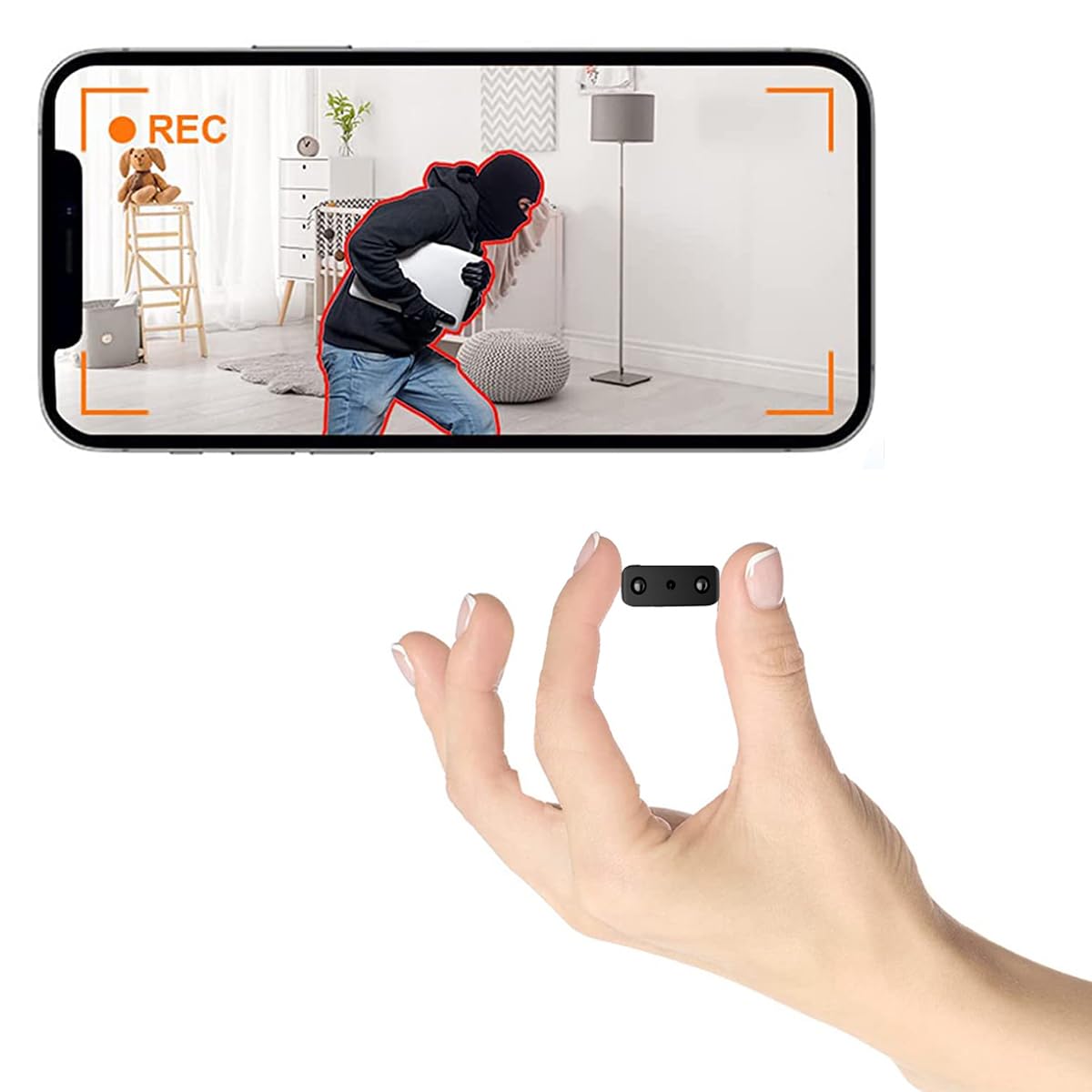
Covert CCTV cameras, also known as hidden or spy cameras, are discreet surveillance devices designed to blend into their environment and operate without drawing attention. These cameras are typically small and unobtrusive, allowing them to be placed in everyday objects such as smoke detectors, clocks, air purifiers, or even electrical outlets. The goal of covert cameras is to capture footage without being noticed, making them ideal for situations where surveillance needs to be secretive or non-intrusive.
Unlike standard CCTV cameras, covert cameras do not have the typical visible appearance of a surveillance device. They are specifically designed for monitoring activities in a hidden manner, ensuring that the subjects being filmed are unaware of their presence. This feature makes covert cameras useful in various applications, including private investigations, monitoring areas where privacy is essential, and security in sensitive environments.
Key Features and Applications
Covert CCTV cameras come with several features that make them effective for discreet surveillance. Some key features include:
Small Size and Discreet Design: Covert cameras are designed to be hidden in plain sight. Their small size allows them to be placed in everyday objects without drawing attention, making them ideal for monitoring sensitive locations without alerting subjects to their presence.
Wireless Connectivity: Many modern covert cameras come with wireless capabilities, enabling them to transmit footage over Wi-Fi or cellular networks. This makes installation easier and reduces the need for physical connections to power sources or recording devices.
Motion Detection: Covert cameras are often equipped with motion sensors that trigger recording when movement is detected. This feature is especially useful for conserving memory and storage, ensuring that footage is captured only when needed.
High-Resolution Imaging: Despite their small size, many covert cameras offer high-resolution video quality, ensuring that the captured footage is clear and usable for surveillance purposes.
Remote Viewing: Some covert CCTV cameras come with the ability to stream footage remotely. This feature allows users to monitor surveillance feeds in real time from smartphones, tablets, or computers, providing greater flexibility and control over the security system.
Applications of Covert CCTV Cameras:
Home Surveillance: Covert cameras can be used in residential settings to monitor areas without alarming family members or guests. They can be discreetly placed in everyday items such as smoke detectors or clocks to monitor activity in key areas like living rooms or hallways.
Business Security: In businesses, covert CCTV cameras are used to monitor staff, prevent theft, or detect misconduct without the employees' knowledge. They are ideal for areas like stockrooms, offices, or areas where surveillance is needed but a visible camera could be disruptive.
Private Investigations: Covert cameras are frequently used by private investigators to gather evidence without alerting the subject. These cameras are often hidden in vehicles or on personal items like glasses, ties, or handbags.
Law Enforcement: Covert cameras are used in undercover operations or surveillance activities to gather information discreetly. Their ability to blend into various environments makes them invaluable in law enforcement for monitoring suspects or conducting investigations.
Monitoring Vulnerable Individuals: Covert cameras can also be used in situations where it is important to monitor vulnerable individuals, such as in care facilities or homes with young children. Hidden cameras can ensure the safety and well-being of individuals without infringing on their privacy.
When to Use Hidden CCTV Cameras
There are specific situations where using hidden or covert CCTV cameras is not only practical but necessary:
Discreet Surveillance: If the goal is to monitor activities without the subjects being aware, covert cameras are the best solution. This is especially important in sensitive situations, such as monitoring employee behavior or monitoring areas that require confidentiality.
Private Investigations and Security: For private investigations, covert cameras provide an effective way to gather evidence discreetly. They are also useful in areas where visible cameras might not be feasible or where privacy concerns are paramount, such as in homes or businesses dealing with sensitive issues.
Suspected Theft or Fraud: In cases where theft or fraud is suspected, covert CCTV cameras can help gather evidence without alerting potential offenders. Businesses often use these hidden cameras in places where items are stored or where there may be concerns about employee theft.
Vulnerable Locations: Covert cameras are suitable for monitoring vulnerable areas where a visible camera might not be appropriate. This includes areas like changing rooms, bathrooms, or personal spaces in residential settings.
Surveillance in High-Risk Environments: Covert cameras are ideal for monitoring high-risk or hazardous environments where a visible camera may interfere with the workflow or cause concerns among staff, such as in research labs or factories.
Price Range and Availability in Kenya
Covert CCTV cameras vary in price depending on factors such as design, resolution, connectivity options, and brand. At Mwanga, a trusted supplier of security solutions in Kenya, the pricing for hidden CCTV cameras typically ranges as follows:
Entry-Level Covert Cameras: These models are typically basic, offering low to moderate video quality and fewer advanced features. They are ideal for home or small business use. The price range for entry-level covert cameras starts at KES 8,000 to KES 20,000.
Mid-Range Covert Cameras: Cameras in this category offer better video resolution (720p or 1080p) and more advanced features such as motion detection, Wi-Fi connectivity, and longer battery life. The price range for these models is between KES 20,000 and KES 50,000.
High-End Covert Cameras: These cameras come with premium features, such as HD video quality (1080p or higher), long battery life, remote viewing options, and integration with security systems. High-end covert cameras can be priced between KES 50,000 and KES 150,000 or more, depending on the model and specifications.
Covert Camera Accessories: Accessories for covert cameras, such as extra batteries, mounting brackets, or storage devices, can also add to the overall cost. These accessories generally range from KES 3,000 to KES 15,000.
At Mwanga, covert CCTV cameras are available in a range of options designed to suit various surveillance needs. They offer a selection of high-quality hidden cameras with excellent features to ensure reliable and discreet monitoring. Whether you're seeking a simple camera for home use or a sophisticated system for business or private investigations, Mwanga has the perfect covert CCTV solution to meet your needs.
Advantages and Disadvantages of Different CCTV Types
Comparing CCTV Types Based on Surveillance Needs
When choosing a CCTV camera, it’s important to consider the specific needs of your surveillance system. Different types of CCTV cameras serve distinct purposes, and understanding their strengths and weaknesses helps you make an informed decision. Below is a comparison of popular CCTV camera types based on surveillance needs:
Dome CCTV Cameras
Advantages:
Discreet Design: Dome cameras have a compact design that makes them less noticeable, which can deter potential intruders.
Wide Coverage: They typically have a wide-angle lens that offers good coverage, especially for indoor areas.
Vandal-Proof: Many dome cameras are designed to be tamper-resistant, making them ideal for high-risk environments.
Disadvantages:
Limited Range: Dome cameras are not ideal for capturing long-range footage due to their typically fixed lens.
Installation Complexity: While dome cameras are versatile, they can be more challenging to install in certain environments.
Bullet CCTV Cameras
Advantages:
Long-Range Surveillance: Bullet cameras are excellent for long-distance monitoring, making them ideal for outdoor use or large open areas.
Easy to Install: Bullet cameras are simple to install and are easily adjustable to cover specific areas.
Disadvantages:
Obtrusive Appearance: Their prominent design makes bullet cameras more noticeable, which may alert intruders that they are being monitored.
Vulnerability to Weather: Bullet cameras designed for outdoor use are more vulnerable to weather elements unless properly protected.
PTZ (Pan-Tilt-Zoom) Cameras
Advantages:
Remote Control: PTZ cameras can be remotely controlled to pan, tilt, and zoom, offering flexible surveillance and the ability to focus on specific areas or suspects.
Wide Coverage: They are ideal for covering large areas and can zoom in on specific events or objects.
Disadvantages:
Expensive: PTZ cameras tend to be more expensive than fixed cameras, making them a more significant investment.
Requires Skilled Monitoring: To fully take advantage of PTZ’s capabilities, the system needs to be actively monitored.
IP (Internet Protocol) Cameras
Advantages:
High-Resolution Footage: IP cameras provide high-definition video quality, making them suitable for detailed surveillance.
Remote Access: IP cameras can be accessed remotely via smartphones, tablets, or computers, allowing real-time monitoring.
Disadvantages:
Complex Setup: Setting up an IP camera system requires a stable internet connection, and the installation process can be more complex than traditional analog cameras.
Higher Bandwidth Usage: IP cameras require a higher bandwidth to transmit video, which may be a consideration for locations with limited internet capacity.
Wireless CCTV Cameras
Advantages:
Easier Installation: Wireless cameras are easier to install as they don’t require cables for power or data transmission.
Flexibility: They offer more flexibility in terms of placement, especially in areas where wiring is not practical.
Disadvantages:
Potential Connectivity Issues: Wireless cameras are dependent on a strong and stable Wi-Fi connection. Poor signal strength may affect their performance.
Battery Life: Battery-powered wireless cameras may require frequent recharging, depending on usage.
Thermal CCTV Cameras
Advantages:
Works in Low-Light Conditions: Thermal cameras detect heat signatures, making them ideal for night-time surveillance or poorly lit environments.
Detects Hidden Threats: Thermal cameras are effective at detecting people or animals that may be hiding in areas with limited visibility.
Disadvantages:
Expensive: Thermal CCTV cameras are generally more expensive than standard cameras due to their advanced technology.
Lower Resolution: Thermal cameras typically have lower resolution compared to traditional cameras, which may affect the detail of recorded footage.
Covert (Hidden) CCTV Cameras
Advantages:
Discreet: Covert cameras are designed to blend into their environment, making them ideal for situations where surveillance needs to be unobtrusive.
Ideal for Investigations: They are perfect for private investigators or situations where monitoring needs to be secretive.
Disadvantages:
Limited Features: Covert cameras often lack the advanced features of traditional CCTV cameras, such as high-definition video or remote monitoring.
Legal Concerns: In some jurisdictions, the use of hidden cameras may be restricted or subject to privacy regulations.
Selecting the Best CCTV Camera for Home vs. Business
When choosing a CCTV camera for your home or business, the selection process will vary based on the purpose of the surveillance and the area to be monitored. Here's a quick guide on which cameras are best suited for each setting:
Home Surveillance
For home security, the goal is often to monitor entry points and keep an eye on the interior of the property.
Best Camera Types for Home Use:
Dome Cameras: Ideal for monitoring areas like living rooms, hallways, and entrances. Their discreet design makes them perfect for home security.
Wireless CCTV Cameras: Easy to install in different areas around the house and convenient for renters who can’t install wired cameras.
Covert Cameras: If you want to monitor specific areas discreetly (e.g., for monitoring children or staff), hidden cameras can be a good option.
Business Surveillance
In a business setting, surveillance is critical to ensure security, prevent theft, and monitor customer or employee behavior.
Best Camera Types for Business Use:
Bullet Cameras: Ideal for monitoring the perimeter of your business or outdoor areas like parking lots and entryways.
PTZ Cameras: Excellent for large commercial properties or open spaces that require flexible monitoring.
IP Cameras: Perfect for businesses that need high-resolution footage and remote access for monitoring from different locations.
Cost Comparison and Value for Money
The cost of CCTV systems can vary greatly depending on the type of camera and its features. Here’s a breakdown of the price ranges for each camera type:
Dome CCTV Cameras: Affordable, with entry-level models starting from KES 5,000 to KES 20,000. These cameras provide good value for homes and small businesses.
Bullet CCTV Cameras: Generally range from KES 6,000 to KES 25,000, with outdoor models being slightly more expensive. Bullet cameras offer good coverage and value for money, especially in outdoor settings.
PTZ Cameras: PTZ cameras are higher-end, with prices typically ranging from KES 25,000 to KES 100,000 or more, depending on the model. While more expensive, PTZ cameras provide flexibility and coverage for large areas.
IP Cameras: Prices range from KES 10,000 to KES 50,000 for basic models, with high-end models going beyond KES 100,000. They provide high-definition video and remote access, offering great value for businesses that require detailed surveillance.
Wireless CCTV Cameras: These cameras are typically priced from KES 8,000 to KES 30,000, offering ease of installation and flexibility. Wireless options provide good value for residential use or smaller business settings.
Thermal CCTV Cameras: Prices for thermal cameras range from KES 50,000 to over KES 200,000. They are more expensive but offer specialized surveillance in challenging conditions.
Covert CCTV Cameras: Hidden cameras are generally affordable, starting at KES 5,000 and going up to KES 20,000, depending on the complexity of the design. These cameras provide value for discreet monitoring in sensitive environments.
Where to Buy CCTV Cameras in Kenya
9.1 Trusted CCTV Camera Suppliers and Retailers
When looking to purchase CCTV cameras in Kenya, it is essential to choose reliable suppliers and retailers who offer high-quality products, customer support, and competitive prices. Below are some trusted CCTV camera suppliers in Kenya:
Local Suppliers and Retailers
Mwanga: Known for providing top-quality CCTV cameras, installation services, and professional advice, Mwanga is one of the most reputable CCTV suppliers in Kenya. They offer a range of CCTV camera types suited for both residential and business needs.
Safaricom: As a leading retailer in Kenya, Safaricom offers various security products, including CCTV cameras. They are known for their extensive customer support and easy payment options.
Jumia: A popular online retailer in Kenya, Jumia has a vast selection of CCTV cameras from various brands. They offer competitive prices and often have deals or discounts on electronics.
Lazmall Kenya: Another trusted online marketplace, Lazmall offers reliable security solutions, including CCTV systems and accessories, with free delivery options in Nairobi and beyond.
Authorized Dealers for Specific Brands
Samsung, Hikvision, Dahua: Authorized dealers for these global brands often have a strong presence in Kenya. Their CCTV systems are known for their durability and high-quality surveillance capabilities. Local dealers for these brands can be found in major electronics and security stores in Nairobi.
Why Mwanga is the Best Place to Buy CCTV Cameras
Mwanga stands out as the best place to buy CCTV cameras in Kenya for several reasons:
Wide Range of Quality Products
Mwanga offers an extensive selection of CCTV cameras, including dome cameras, bullet cameras, PTZ cameras, IP cameras, and wireless systems. They ensure that all products meet international quality standards, guaranteeing durability and performance in various environments.
Expert Advice and Custom Solutions
Whether you are looking to install CCTV for a small home or a large commercial building, Mwanga provides expert guidance on the best camera types for your specific security needs. They offer tailored security solutions based on your budget and requirements.
Affordable Prices
Mwanga strives to provide competitive pricing on all their CCTV products. With the availability of various budget-friendly options, they ensure that you get good value for your money, making it accessible for both individual customers and businesses.
After-Sales Support
Mwanga is known for its reliable after-sales services, including installation, maintenance, and troubleshooting. Their team of professionals ensures that your CCTV system functions optimally and can assist with any issues that may arise post-installation.
Warranty and Reliability
Most products sold by Mwanga come with warranties, which gives customers peace of mind knowing they are investing in high-quality, reliable security equipment. They also provide return and exchange policies, enhancing customer trust.
Convenient Locations and Delivery Services
Mwanga has physical stores in key locations around Nairobi, allowing customers to inspect the products before making a purchase. They also offer delivery services, making it easier for you to receive your products anywhere in Kenya.
Online vs. In-Store Purchases: Choosing the Right Option
When deciding where to buy CCTV cameras in Kenya, there are two main options: shopping online or visiting physical stores. Both options have their advantages and disadvantages, and the best choice will depend on your preferences and needs.
Online Purchases
Advantages:
Convenience: Shopping online allows you to browse products from the comfort of your home, avoiding the need to travel.
Wide Selection: Online stores like Jumia, Lazmall, and even Mwanga’s own website often feature a wide range of CCTV cameras with detailed product descriptions and reviews from other customers.
Price Comparisons: It is easier to compare prices between different retailers when shopping online, helping you find the best deal.
Disadvantages:
Shipping Fees: Some online purchases may come with additional shipping fees, especially if you're located outside Nairobi.
Lack of Personal Interaction: Shopping online can sometimes be impersonal, meaning you may miss out on expert advice and tailored recommendations from store representatives.
Delayed Delivery: Depending on the seller, delivery may take several days, which could delay your ability to install the cameras promptly.
In-Store Purchases
Advantages:
Immediate Pickup: You can purchase and pick up your CCTV camera systems on the same day, which is beneficial for urgent needs.
Expert Advice: In-store retailers like Mwanga offer direct consultations with experts who can provide personalized advice and assist with choosing the right system based on your security requirements.
Product Inspection: You have the opportunity to inspect the products physically before purchase, ensuring that the cameras meet your expectations.
Disadvantages:
Limited Selection: Physical stores may have fewer options compared to online marketplaces, especially for certain high-end or niche camera models.
Time-Consuming: You will need to travel to the store and may have to spend time waiting in line or dealing with crowds.
Whether you choose to buy CCTV cameras online or in-store depends on your preference for convenience, product availability, and expert advice. For those who want a hands-on experience and expert guidance, Mwanga’s physical stores offer excellent service. On the other hand, online shoppers can benefit from convenience, competitive pricing, and the ability to compare options at their leisure.
By buying from trusted suppliers like Mwanga, you can rest assured that you're investing in high-quality CCTV systems that will serve your surveillance needs effectively.
FAQs About Types of CCTV Cameras
What type of CCTV camera is best for home use?
The best types of CCTV cameras for home use typically include dome cameras and bullet cameras. Dome cameras are ideal for indoor surveillance due to their discreet design and ability to cover a wide area. They are great for monitoring common areas like hallways, living rooms, or entrances. On the other hand, bullet cameras are more suited for outdoor use, as they offer higher visibility and are effective for monitoring driveways, entrances, and large outdoor spaces.
For added security, you might also consider wireless cameras or IP cameras, which offer flexibility in installation and can be monitored remotely via smartphones.
Are PTZ cameras more expensive than bullet cameras?
Yes, PTZ (Pan-Tilt-Zoom) cameras are generally more expensive than bullet cameras. The reason for this price difference lies in the additional functionality that PTZ cameras offer. PTZ cameras allow you to remotely pan, tilt, and zoom the camera, offering flexible surveillance over large areas or specific targets. They are highly advanced and often used in commercial or industrial settings for active monitoring. Bullet cameras, on the other hand, are simpler devices designed for fixed surveillance, making them more affordable.
How do wireless CCTV cameras work?
Wireless CCTV cameras operate by connecting to your Wi-Fi network, enabling you to view the camera feed from anywhere with an internet connection. Unlike wired CCTV systems, wireless cameras transmit video signals via radio waves instead of cables, providing more installation flexibility. Some wireless CCTV cameras are powered by batteries, while others may require an electrical outlet. These cameras typically come with cloud storage options, which means recorded footage is stored remotely for easy access.
The key benefit of wireless CCTV cameras is that they are easier to install, especially in locations where running cables is not feasible.
Can I connect an IP camera to my smartphone?
Yes, IP (Internet Protocol) cameras can be easily connected to your smartphone through the internet. To do this, you will typically need to download the camera’s companion app or use third-party apps designed for managing IP cameras. These apps allow you to access live footage, playback recordings, and adjust camera settings directly from your smartphone, whether you're at home or on the go.
This makes IP cameras a popular choice for users seeking remote surveillance and easy control.
Are thermal cameras useful for security in Kenya?
Yes, thermal CCTV cameras are highly useful for security in Kenya, particularly for monitoring areas with low visibility or in challenging environmental conditions. Thermal cameras detect heat signatures rather than visible light, making them ideal for night-time surveillance or areas obscured by smoke, fog, or darkness. In a country like Kenya, where security in remote or outdoor locations may be a concern, thermal cameras can provide reliable monitoring regardless of the time of day or weather conditions.
What are the main differences between analog and IP CCTV cameras?
The main difference between analog and IP (Internet Protocol) CCTV cameras lies in how they transmit data. Analog cameras send video signals via coaxial cables to a recording device, while IP cameras transmit video over the internet or a local network, allowing for higher-quality footage and remote access. IP cameras offer superior resolution, scalability, and flexibility, while analog cameras tend to be more cost-effective but offer lower image quality.
In terms of installation, IP cameras can be more complex due to networking requirements, but they offer a higher level of integration with modern surveillance systems.
Are dome cameras suitable for both indoor and outdoor use?
While dome cameras are often used indoors due to their discrete design and wide-angle coverage, certain models are weatherproof and can be used outdoors as well. These outdoor dome cameras are designed to withstand harsh weather conditions, including rain, dust, and extreme temperatures, making them versatile for both home and business security. Always check the IP rating (Ingress Protection) to ensure that the dome camera you choose is suitable for outdoor use.
Can PTZ cameras be controlled remotely?
Yes, PTZ cameras can be controlled remotely. These cameras are designed with the ability to pan, tilt, and zoom, and most modern PTZ CCTV cameras allow users to control them through a remote interface, such as a computer, smartphone app, or a central surveillance system. This feature makes PTZ cameras ideal for dynamic surveillance needs, such as monitoring large open spaces or tracking moving objects.
What are the advantages of using wireless CCTV cameras?
The advantages of wireless CCTV cameras include ease of installation, flexibility in camera placement, and the ability to monitor footage remotely. Unlike wired systems, wireless cameras do not require complex cabling, reducing installation time and making them ideal for locations that are hard to wire. Additionally, wireless CCTV cameras can be connected to cloud storage, offering convenient access to recorded footage from anywhere with an internet connection.
What makes IP cameras more secure than analog cameras?
IP CCTV cameras are generally more secure than analog cameras because they offer encrypted video transmission, which prevents unauthorized access to the footage. Additionally, IP cameras are easier to integrate into secure networks and can be configured to only allow authorized users to view or control the camera feed. This is particularly beneficial in commercial settings or homes where data security is a priority.
Can I use a thermal camera for general surveillance?
While thermal CCTV cameras are excellent for detecting heat signatures in low visibility environments, they are not ideal for general surveillance of areas that require high-resolution video. Thermal cameras are typically used for specific applications, such as perimeter security, intrusion detection, or monitoring large outdoor areas. For general surveillance, dome, bullet, or IP cameras that provide clear, high-resolution video are often more suitable.
What factors should I consider when choosing the right type of CCTV camera for my property?
When choosing the best type of CCTV camera for your property, consider the following factors:
Location: Indoor or outdoor use, lighting conditions, and coverage area.
Camera Type: Whether you need a dome, bullet, PTZ, or thermal camera based on your specific security needs.
Resolution and Image Quality: Higher resolution is important for detailed surveillance.
Connectivity: Whether you prefer IP, wireless, or analog cameras based on your preference for ease of installation and remote monitoring.
Budget: Factor in the cost of the camera as well as any ongoing maintenance or subscription fees.
Conclusion
Recap of Different CCTV Camera Types and Their Benefits
In this guide, we've explored various types of CCTV cameras, each offering unique features suited for different security needs. Here's a quick recap:
Dome CCTV cameras are great for discreet, wide-angle indoor surveillance.
Bullet CCTV cameras are ideal for outdoor use with fixed surveillance points.
PTZ (Pan-Tilt-Zoom) cameras provide flexible surveillance with the ability to remotely pan, tilt, and zoom.
IP cameras offer high-resolution video, remote access, and flexibility in installation.
Wireless CCTV cameras provide easy installation and the convenience of remote monitoring.
Thermal CCTV cameras are perfect for night-time surveillance and detecting heat signatures.
Covert CCTV cameras are used for discrete monitoring in situations where visibility is key.
Each type offers distinct advantages based on your specific security requirements, whether you're protecting your home, business, or other high-risk areas.
Why Mwanga Offers the Best Range of CCTV Solutions in Kenya
At Mwanga, we understand the diverse security needs of our customers, which is why we offer a comprehensive range of CCTV solutions tailored to different environments and budgets. Whether you're looking for the best IP cameras for remote surveillance, PTZ cameras for flexible monitoring, or wireless CCTV cameras for quick and easy installation, Mwanga has you covered. Our range of high-quality, reliable CCTV cameras ensures that you can safeguard your property with the latest technology at competitive prices.
With Mwanga, you can trust that you're getting expert advice and top-notch products that deliver effective and efficient surveillance solutions for your security needs.
Get in Touch with Mwanga for the Perfect CCTV Camera for Your Needs
Ready to secure your property with the best CCTV solutions in Kenya? Get in touch with Mwanga today to find the ideal CCTV camera tailored to your specific needs. Whether you’re installing security for your home, office, or any other location, Mwanga offers the perfect solution with excellent customer support and installation services. Don’t wait—ensure your peace of mind today!