Smart Thermostats and Climate Control
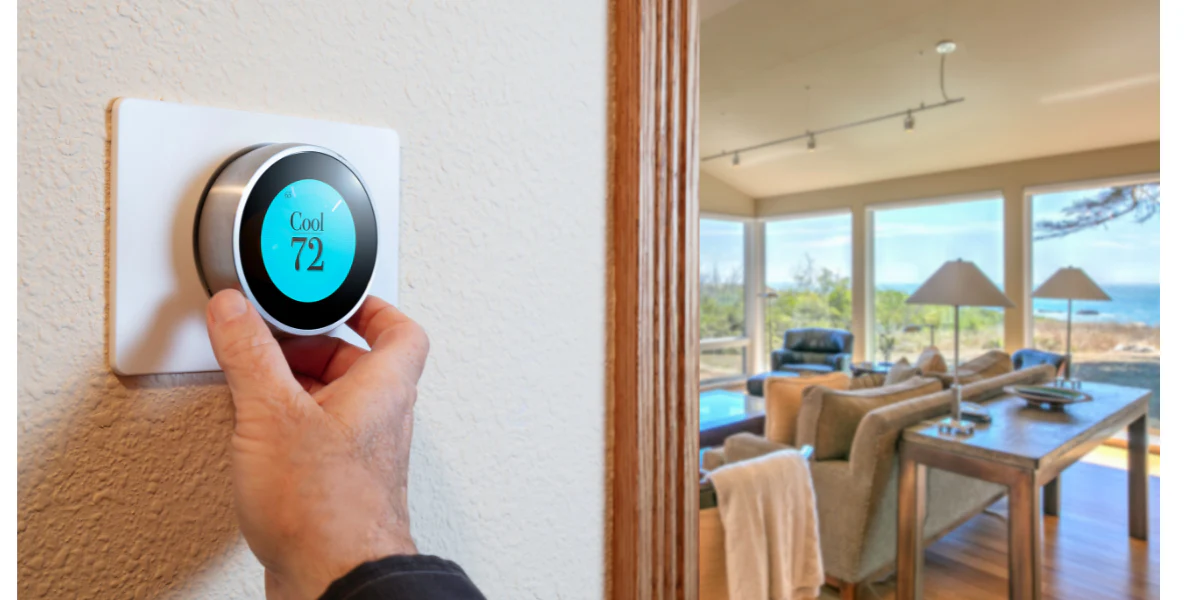
Smart thermostats and climate control systems are essential components of home automation, providing advanced features that offer both convenience and energy efficiency. These systems allow homeowners to regulate the temperature of their home remotely and automatically, optimizing comfort and reducing energy costs.
- Remote Temperature Control: One of the key benefits of smart thermostats is the ability to control the temperature from anywhere. Whether you're at home, at work, or on vacation, you can adjust the settings using a mobile app, ensuring that your home is always at the perfect temperature when you need it. This eliminates the need for manual adjustments and provides maximum comfort.
- Energy Efficiency: Smart thermostats are designed to optimize energy usage by learning your habits and adjusting the temperature accordingly. For example, they can lower the heat or air conditioning when you're away or asleep, and then raise it again before you return or wake up. This reduces energy waste and can result in significant savings on utility bills, making them a great choice for eco-conscious homeowners.
- Learning and Adaptive Technology: Many smart thermostats feature adaptive learning capabilities, meaning they can "learn" your preferences over time and adjust the temperature automatically based on your schedule. This feature takes the guesswork out of energy management and ensures that the climate control system operates efficiently without requiring constant manual input.
- Voice and Integration Control: Smart thermostats can be integrated with voice assistants like Amazon Alexa, Google Assistant, or Apple HomeKit, allowing you to control your home’s temperature with voice commands. You can simply ask your assistant to "set the thermostat to 72 degrees," or “turn off the AC,” providing ultimate convenience, especially when you're busy or on the go.
- Zoning and Multi-Room Control: Some smart thermostats support multi-zone systems, where you can set different temperatures for different rooms or areas of your home. This is particularly useful in large homes or homes with multiple floors, allowing you to maintain comfort in specific areas while saving energy in others. Zoning helps to prevent overuse of heating or cooling in areas that are unoccupied, leading to further energy savings.
- Monitoring and Alerts: Smart thermostats can also monitor your home’s climate and alert you to any issues. For instance, they may notify you if the temperature fluctuates drastically, if there’s a system malfunction, or if maintenance is needed. This proactive approach helps ensure that your climate control system runs smoothly, reducing the risk of breakdowns and improving the longevity of your HVAC units.
Smart thermostats and climate control systems are powerful tools for maintaining comfort, saving energy, and enhancing the convenience of home automation. By automating temperature adjustments, learning your preferences, and offering remote control and integration, these systems create an optimized living environment while reducing overall utility costs.
Smart Security Systems (CCTV, Alarms, and Door Locks)
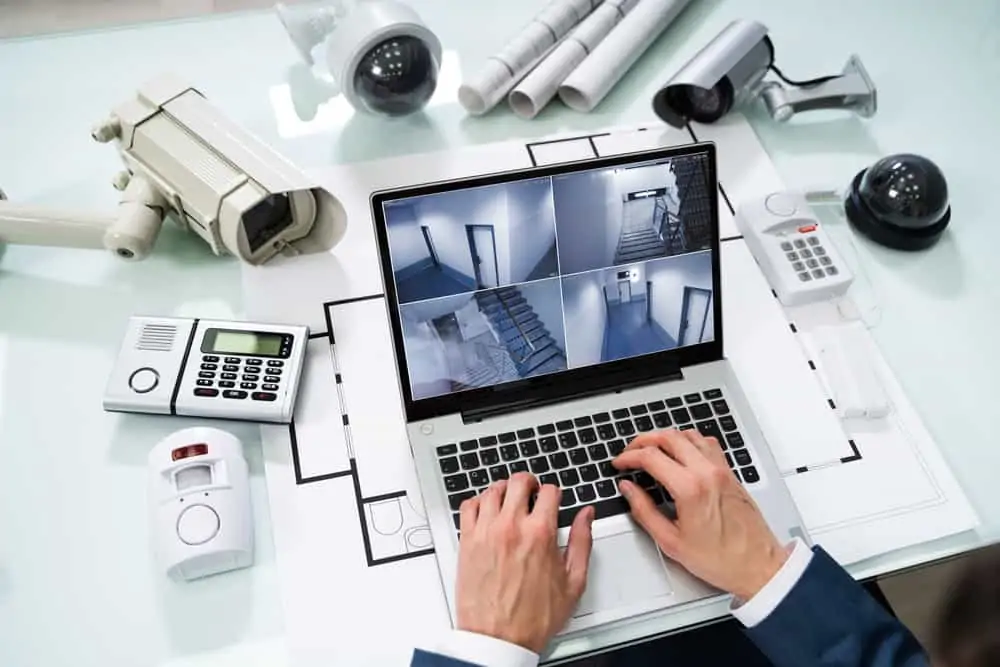
Smart security systems are integral to home automation, offering advanced protection for your home and family. These systems combine various smart devices, including CCTV cameras, alarms, and smart door locks, to provide enhanced security, remote monitoring, and real-time alerts.
- Smart CCTV Cameras: Smart surveillance cameras offer high-definition video monitoring and allow you to keep an eye on your home from anywhere. These cameras can be accessed via a mobile app, giving you live footage of both the interior and exterior of your property. Many CCTV cameras also feature motion detection, so they only record when activity is detected, saving storage space and alerting you to potential security threats. Some systems even provide two-way audio, allowing you to communicate with anyone at your door or in your home remotely.
- Real-Time Alerts and Notifications: Smart security systems are designed to provide instant notifications to your phone or device in case of unusual activity. If a motion sensor is triggered or a door/window is opened, you’ll receive real-time alerts, ensuring you're always aware of what's happening around your home. This immediate feedback allows for quicker response times in case of a potential break-in or emergency.
- Smart Alarms: Smart alarms are integrated with sensors that monitor windows, doors, and other entry points. If someone tries to break in, the alarm will sound, and notifications will be sent to your phone or a designated security monitoring service. Additionally, smart alarms can be programmed to activate or deactivate based on your schedule, providing added convenience while ensuring protection when you’re away.
- Smart Door Locks: Traditional locks can be vulnerable to picking or loss of keys, but smart door locks provide an added layer of security and convenience. These locks can be controlled remotely via a smartphone app, allowing you to lock or unlock doors from anywhere. Many models also allow for keyless entry through PIN codes, biometric scanning, or temporary access codes, which can be shared with guests or service providers. Smart locks also offer activity logs, enabling you to see who has accessed your door and when.
- Integration with Other Smart Devices: One of the key advantages of smart security systems is their ability to integrate with other smart devices in your home. For example, smart cameras can be connected with smart doorbells, so you can see who’s at the door before letting them in. Similarly, security systems can work alongside smart lighting to create the illusion of someone being home by automatically turning lights on or off when motion is detected or based on your schedule.
- Remote Control and Monitoring: Through mobile apps, you can manage and monitor your security system from anywhere in the world. This provides peace of mind knowing that your home is protected at all times, whether you're on vacation or at work. Some systems even offer integration with smart home hubs, allowing you to control your security system, lighting, and other devices from a single platform.
Smart security systems offer a high level of protection and convenience for homeowners. With real-time alerts, remote control, and advanced features like smart cameras, alarms, and door locks, these systems provide peace of mind and improve overall home security. By integrating these devices into your home automation setup, you can enhance safety, monitor activities remotely, and ensure that your property is secure at all times.
Entertainment Automation: Audio-Visual Systems

Entertainment automation systems enhance the home viewing and listening experience by integrating smart technologies to control audio-visual (AV) devices seamlessly. These systems allow homeowners to manage their entire entertainment setup, including televisions, sound systems, projectors, streaming devices, and more, through automation. With entertainment automation, you can enjoy superior audio and visual quality while simplifying the control of various devices.
- Centralized Control of Audio-Visual Devices: Entertainment automation consolidates all of your audio-visual equipment into a single system that can be managed from a single interface, such as a smartphone app or smart remote. Whether it’s turning on the TV, adjusting the volume, or switching inputs between devices, you can do it all with a single tap. This eliminates the need for multiple remotes or complicated wiring setups.
- Voice Control and Integration: Many modern AV systems are compatible with voice assistants like Amazon Alexa, Google Assistant, or Apple HomeKit. This means you can control your entertainment system hands-free with simple voice commands. For example, you can say “Play Netflix on the TV” or “Turn on the sound system,” and your devices will respond accordingly. This feature adds convenience and accessibility, especially for those who want to avoid getting up or handling multiple devices.
- Personalized Entertainment Experiences: With smart entertainment automation, you can create customized settings for various activities. Whether you’re watching a movie, hosting a party, or playing music, you can adjust lighting, sound, and video quality to match the mood or activity. Automated scenes can be programmed to instantly set up the perfect environment—dimming the lights, adjusting the sound system, and even pulling down a projector screen—all with a single command.
- Streaming and Multi-Room Audio: Entertainment automation allows you to control streaming services (like Netflix, YouTube, Spotify, and more) and distribute audio throughout your home. Multi-room audio systems allow you to play music in different rooms, syncing everything with ease. This is perfect for hosting gatherings, where you can enjoy a continuous music playlist throughout the entire house. In addition, streaming can be controlled across various devices, such as smart TVs, tablets, or projectors.
- Seamless Integration with Home Theater Systems: Smart entertainment automation systems can be seamlessly integrated with home theater setups, including surround sound systems, projectors, and smart TVs. This integration ensures that all components work harmoniously together, optimizing sound and video quality for an immersive experience. Some systems even offer advanced features like sound calibration, ensuring that your system is fine-tuned for your specific room.
- Convenience and Energy Efficiency: Automation in entertainment also brings energy efficiency. Devices can be programmed to turn off when not in use, preventing unnecessary energy consumption. For instance, your system can automatically shut down after you’ve finished watching a movie or when you leave the house. This contributes to lower energy bills while ensuring that your entertainment experience is as enjoyable as possible.
Entertainment automation systems take home entertainment to the next level by offering centralized control, voice commands, personalized experiences, and multi-room audio capabilities. By integrating your AV devices into a smart system, you can enjoy more convenience, better sound and video quality, and enhanced energy efficiency. Whether you’re watching a movie, listening to music, or streaming content, these smart systems provide a seamless and enjoyable experience for your home entertainment needs.
Kitchen and Appliance Automation

Kitchen and appliance automation bring smart technology into one of the most essential areas of the home, offering convenience, energy efficiency, and improved functionality. Through smart devices and appliances, you can control your kitchen setup with ease, automate everyday tasks, and create a more organized, efficient cooking environment. Here are some of the key features of kitchen and appliance automation:
- Smart Appliances for Effortless Cooking: Smart kitchen appliances like refrigerators, ovens, microwaves, and dishwashers can be controlled and monitored remotely via mobile apps. For instance, a smart oven can be preheated remotely before you arrive home, ensuring it’s ready for cooking. Some smart fridges even allow you to check their contents from your phone, so you can plan meals without opening the door and wasting energy. Additionally, smart microwaves and pressure cookers offer programmable settings and cooking modes to simplify meal preparation.
- Automated Cooking Assistance: Many smart kitchen appliances are designed to assist with specific cooking tasks. For example, smart coffee makers can be programmed to brew coffee at a specific time, while smart blenders can automatically adjust their settings for different recipes. These devices help reduce manual effort, making meal preparation faster and more convenient. Some appliances also offer integration with recipe apps, guiding you through the cooking process with precise temperature and timing controls.
- Energy Efficiency and Sustainability: One of the key benefits of kitchen automation is the potential for improved energy efficiency. Smart dishwashers can detect the load size and adjust water usage accordingly, while smart refrigerators use energy-efficient cooling systems that optimize power consumption. Similarly, automated lighting and energy management systems can ensure that appliances are used only when needed and turned off when not in use, reducing overall household energy consumption.
- Voice Control and Integration: Just like other home automation systems, voice assistants like Alexa or Google Assistant can be used to control kitchen appliances. For instance, you can ask your voice assistant to start the dishwasher, turn on the oven, or adjust the lighting. This hands-free control makes tasks like cooking, cleaning, and monitoring appliances much easier, especially when your hands are busy with meal preparation.
- Smart Inventory Management: Smart fridges and pantries can help you keep track of food items by scanning barcodes, tracking expiration dates, and notifying you when supplies are running low. This inventory system can even sync with grocery shopping apps, making it easier to reorder items that you need. For instance, your fridge can alert you when milk is about to expire or if a specific ingredient is running low, saving you time on shopping trips.
- Convenience and Time Savings: Automation in the kitchen saves time and makes cooking and cleaning less of a hassle. With tasks like dishwashing, cooking, and even food storage managed automatically, you have more time to focus on other aspects of your day. Additionally, appliances that are connected to your phone or smart home hub can be monitored remotely, giving you the ability to check on their status from anywhere—whether you're at work or out running errands.
Kitchen and appliance automation streamline daily tasks, enhance convenience, and optimize energy use. By integrating smart devices, you can enjoy a more efficient and organized kitchen, save time on meal prep and cleaning, and improve overall functionality. With features like remote control, voice commands, and energy-efficient systems, kitchen automation enhances both the cooking experience and the management of household tasks.
Whole-Home Automation Systems
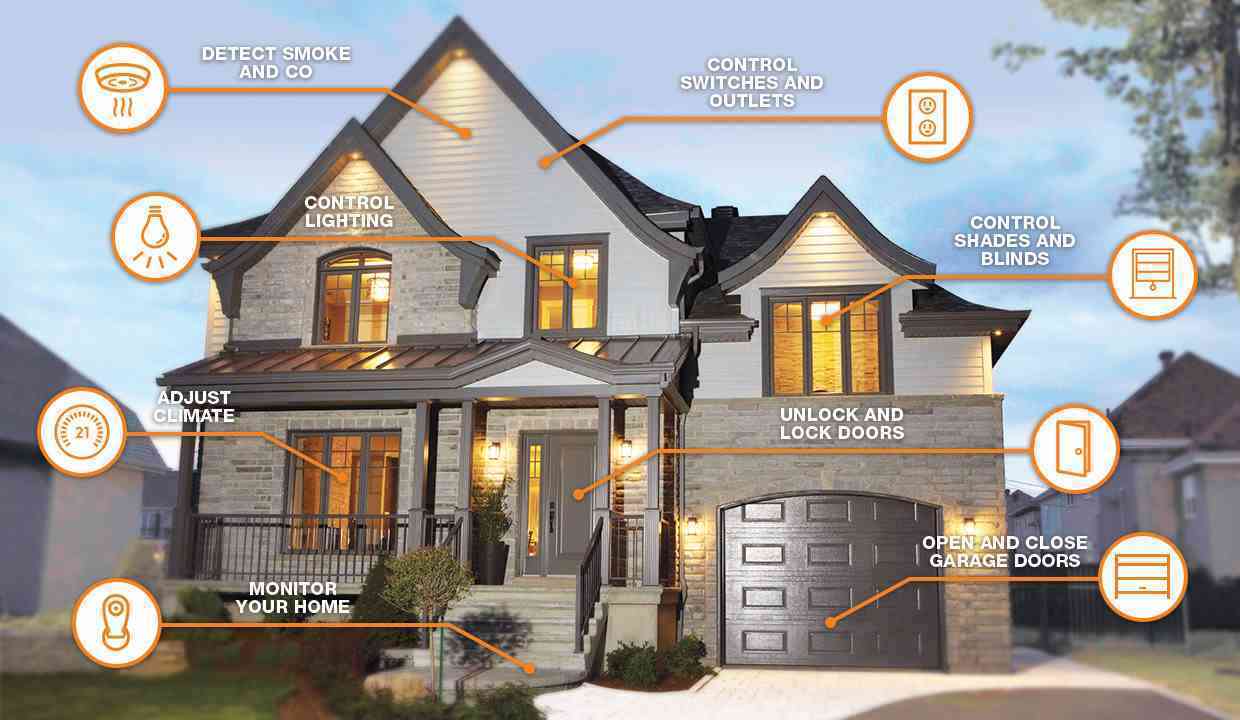
Whole-home automation systems are comprehensive solutions that integrate various smart devices and technologies throughout the entire home, providing centralized control, seamless connectivity, and enhanced convenience. These systems allow homeowners to manage multiple aspects of their living space—from lighting and security to temperature control and entertainment—through a single interface. A whole-home automation system provides the ultimate in convenience, energy efficiency, and customization.
- Centralized Control for All Systems: A whole-home automation system allows users to control all connected devices from a central platform, whether it’s a mobile app, smart hub, or voice assistant. This centralized control simplifies the management of multiple systems like lighting, climate control, security, and entertainment. Homeowners can adjust settings for every room in the house from one location, eliminating the need to interact with individual devices separately.
- Seamless Integration Across Devices: Whole-home automation ensures that various devices, such as smart lights, thermostats, security cameras, and entertainment systems, work together harmoniously. For example, when you leave for work, the system can automatically lower the thermostat, turn off lights, and arm security cameras. In the evening, it can adjust the lighting to your preferred setting, activate the entertainment system, and lock all doors. This seamless integration ensures that everything is functioning efficiently without manual intervention.
- Energy Management and Efficiency: A key feature of whole-home automation is the ability to monitor and optimize energy consumption. Smart thermostats can adjust the temperature based on your preferences and schedule, while automated lighting ensures that lights are only on when needed. Automated blinds or shades can open or close to regulate indoor temperature, reducing the load on heating and cooling systems. These energy-saving features help reduce utility bills and contribute to a more sustainable household.
- Security and Safety Integration: Whole-home automation systems often include smart security features that integrate with other devices in the home. This could involve smart door locks, surveillance cameras, motion sensors, and alarm systems that can all be monitored and controlled remotely. For example, you can check security footage via a mobile app, unlock doors remotely, or receive alerts if there is unusual activity. These integrated systems increase both security and peace of mind, offering greater control over your home’s safety.
- Customization and Personalization: Whole-home automation systems offer a high level of customization, allowing homeowners to set up "scenes" or automated routines. For example, you can create a “Good Morning” scene that adjusts the lighting, starts the coffee maker, and sets the thermostat to your preferred temperature. Similarly, an "Away" scene can adjust the home’s climate, turn off appliances, and activate security systems when you leave the house. These personalized setups help tailor the home environment to specific needs and activities, offering a more comfortable and efficient lifestyle.
- Increased Home Value and Appeal: Installing a whole-home automation system can increase the value of your property. Many buyers today view smart home technologies as a desirable feature, recognizing the added convenience, security, and energy efficiency they provide. In addition, the integration of cutting-edge technology can make your home more marketable and attractive to prospective buyers, enhancing its overall appeal in a competitive real estate market.
Whole-home automation systems offer comprehensive control over all connected devices in a home, creating a cohesive and efficient smart living environment. These systems enhance convenience, security, and energy efficiency while providing customizable experiences for homeowners. By integrating lighting, security, climate control, and entertainment into a single system, whole-home automation ensures that your living space is optimized for comfort, safety, and functionality.
Key Features of a Home Automation System
Home automation systems offer several advanced features that make them convenient, user-friendly, and highly efficient. Here’s a detailed breakdown of the key features:
Voice Control and Integration with Smart Assistants (e.g., Alexa, Google Assistant)

Voice control is a powerful feature of modern home automation, enabling you to manage your home’s systems with simple spoken commands.
Key Benefits:
- Hands-Free Control: With integration to smart assistants like Alexa, Google Assistant, and Siri, you can control devices like lights, thermostats, and entertainment systems simply by speaking. Commands such as “Turn on the lights,” “Set the temperature to 72°F,” or “Play music in the living room” make managing your home effortless.
- Multi-Device Integration: You can control multiple devices at once with a single voice command. For example, saying “Good night” could trigger a routine that locks doors, turns off lights, and adjusts the thermostat.
- Intelligent Responses: Voice assistants are designed to learn and adapt to your preferences over time. They can answer questions, give reminders, and assist with daily tasks, offering more than just basic home control.
Remote Access via Mobile Apps

Remote access is one of the key advantages of home automation, as it allows you to control your systems from anywhere using a smartphone or tablet.
Key Benefits:
- Control from Anywhere: Whether you're at work, on vacation, or commuting, you can control your home’s devices via an app. For example, you can adjust the thermostat to your preferred temperature, check security cameras, or lock doors when you're not home.
- Real-Time Updates: Receive real-time updates and alerts about your home’s status on your phone. This could include security alerts, energy usage reports, or notifications of an issue that needs your attention.
- Easy Setup and Configuration: Most home automation apps are user-friendly and allow easy configuration of your devices. Once set up, you can manage your entire smart home from the palm of your hand.
Scheduling and Automation of Tasks
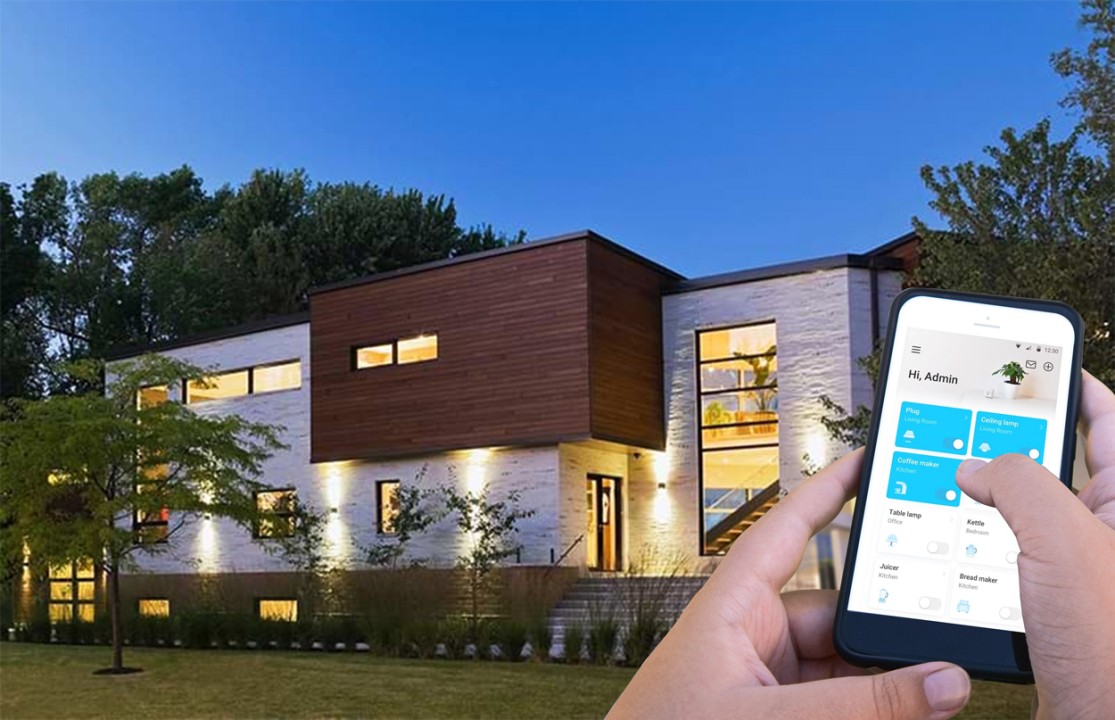
Scheduling and task automation are features that make home automation incredibly convenient by allowing your home to automatically adjust its systems based on a preset timetable.
Key Benefits:
- Set Schedules: Schedule tasks such as turning on lights at sunset, adjusting the thermostat at bedtime, or switching off appliances when you leave for work. This eliminates the need for manual intervention and ensures systems are always optimized.
- Energy Efficiency: Automating systems to only run when needed can lead to significant energy savings. For instance, setting the air conditioning to turn off when you leave the house helps reduce energy consumption.
- Customization: You can customize schedules based on your daily routines or specific needs. Whether it’s a recurring schedule or a one-time event, home automation ensures that your devices operate on your terms.
Seamless Integration Between Devices
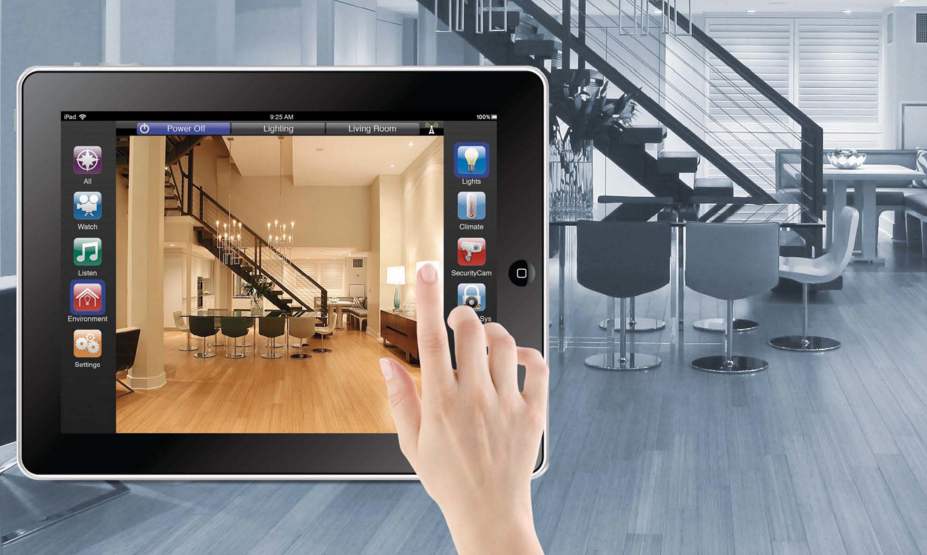
The seamless integration of different devices within a home automation system ensures that all your smart devices work together in harmony, enhancing their effectiveness and convenience.
Key Benefits:
- Unified Control: With all your smart devices connected, you can control them through a central platform, such as an app or a smart assistant. This simplifies management and ensures that everything works together efficiently.
- Automation Routines: Devices from different brands can often be integrated into a single automation routine. For example, a morning routine might automatically open the blinds, start the coffee maker, and adjust the thermostat when you wake up.
- Consistency Across Devices: Whether you’re controlling lighting, temperature, or entertainment systems, integration ensures that all devices work smoothly without interruptions, providing a reliable experience across the home.
Real-Time Monitoring and Alerts

Real-time monitoring and alerts give you live feedback on your home’s status, keeping you informed and in control at all times.
Key Benefits:
- Instant Alerts: Home automation systems can send alerts directly to your smartphone or device if unusual activities are detected, such as motion near security cameras, doors left unlocked, or water leakage. This ensures you can react quickly to prevent issues.
- Monitor Home Conditions: Keep track of your home’s temperature, humidity, security, and even energy usage in real time. You can receive updates when devices need maintenance, or when there’s an abnormal reading in your home’s systems.
- Peace of Mind: Whether you’re away for a few hours or on vacation, knowing that you can monitor your home’s systems remotely provides peace of mind, enhancing both security and safety.
These key features enhance the usability and effectiveness of a home automation system. Voice control, remote access, scheduling, integration, and real-time monitoring work together to create a smart, efficient, and convenient home environment. Whether you want to control your home with your voice, automate everyday tasks, or receive immediate notifications on the status of your home, these features offer tremendous benefits for both comfort and security.
Steps to Setting Up a Home Automation System
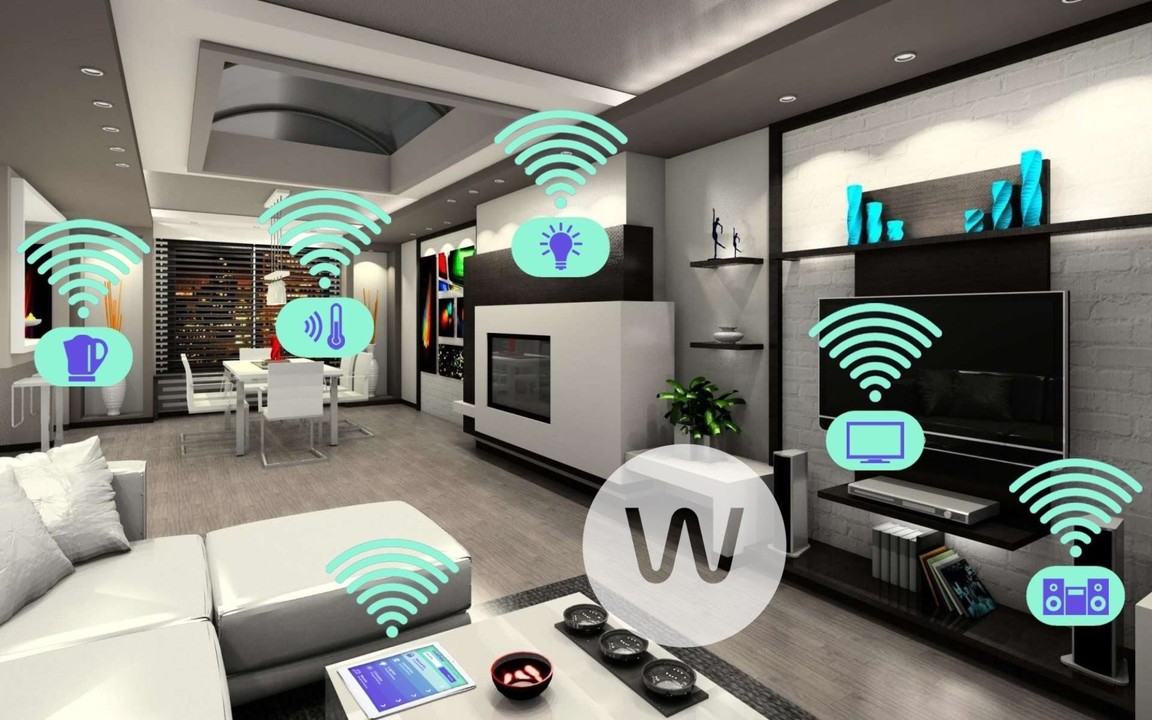
Setting up a home automation system involves several key steps to ensure that it meets your needs, integrates smoothly with existing systems, and delivers optimal performance. Below is a detailed breakdown of each step to help you set up your smart home effectively.
Assessing Your Needs and Priorities for Automation
The first step in setting up a home automation system is to carefully assess your needs and priorities. Not every home requires the same level of automation, and understanding what you want to achieve will guide the setup process. Consider the following:
- Lifestyle Requirements: What aspects of your home do you want to automate? Do you need better security, energy efficiency, or convenience? For example, if security is a priority, you may want to focus on smart cameras, motion sensors, and door locks. If comfort is your goal, you may prioritize smart lighting and climate control systems.
- Budget: Determine how much you're willing to invest in home automation. Home automation can range from basic setups to extensive systems, so assessing your budget will help define what’s feasible.
- Room-by-Room Assessment: Think about which rooms or areas in your home will benefit most from automation. Is there a need to automate the living room for entertainment, the kitchen for appliances, or the bedrooms for lighting and climate control? Prioritizing areas based on their importance will help you decide where to begin.
- Long-Term Goals: Consider whether you want a scalable system. Some homeowners start with a few devices and gradually expand as their needs evolve. Make sure your system can grow with you.
Once you have a clear understanding of your needs and priorities, you can proceed to the next step of selecting the right devices and technologies.
Choosing the Right Devices and Technology
After assessing your needs, it's time to choose the right devices and technologies that align with your priorities. The options can vary greatly, so make decisions based on:
- Compatibility: Ensure that the devices you choose are compatible with each other. For instance, if you’re using Google Assistant as your voice assistant, choose devices that integrate seamlessly with Google’s ecosystem, like smart thermostats, cameras, and lighting systems.
- Device Types: Select the devices based on your priorities. If you're looking to automate lighting, smart bulbs and dimmers are ideal. For home security, cameras, motion detectors, door sensors, and smart locks should be considered. For energy management, smart thermostats and energy-efficient appliances are key.
- Brand Reliability: Stick to trusted brands with good customer reviews and solid after-sales support. Popular brands like Nest, Philips Hue, Ring, and Honeywell offer high-quality smart home devices with excellent reliability.
- Integration with Existing Systems: If you already have certain smart devices, ensure that any new ones you purchase will integrate with them. Look for a home automation hub or platform that connects your various devices to centralize control.
Choosing the right devices helps ensure that your automation system will be functional and sustainable in the long term.
Designing a Smart Home Network Infrastructure
For your devices to work effectively, they must be connected through a reliable network infrastructure. This step involves setting up the backbone of your home automation system.
- Internet Connectivity: Ensure that you have a stable and fast internet connection, as many smart devices rely on Wi-Fi or Ethernet. For high-demand applications (e.g., security cameras), a robust connection is crucial.
- Smart Home Hub: Some devices may require a smart home hub (like Samsung SmartThings, Amazon Echo, or Apple HomeKit) to centralize control and ensure compatibility. The hub connects all your devices and allows you to manage them from one place.
- Wi-Fi and Zigbee/Z-Wave Networks: Decide whether your devices will use Wi-Fi, Zigbee, or Z-Wave. Wi-Fi is suitable for basic devices, but Zigbee and Z-Wave are better for more reliable, low-energy communication for things like sensors and locks. Plan for any additional networking needs, such as extra Wi-Fi extenders, to ensure a strong signal across your entire home.
- Router Placement: Place your router centrally to optimize the signal strength across your home, particularly if you have smart devices that rely on wireless signals.
Proper network infrastructure ensures seamless communication between devices and uninterrupted automation functions.
Professional Installation vs. DIY Setup
When setting up a home automation system, you have the option to either install the devices yourself or hire a professional. Here’s a breakdown of the pros and cons of each approach:
-
DIY Setup:
- Advantages: Cost-effective and provides full control over the setup process. Many devices come with easy-to-follow instructions and apps to guide you through the installation.
- Disadvantages: Requires time, effort, and a bit of technical know-how. Troubleshooting and integration may take longer, especially if you’re new to smart home technology.
-
Professional Installation:
- Advantages: Expert installers can ensure that your system is set up properly, saving you time and potential frustration. Professionals can also offer guidance on selecting the best devices, configuring them, and integrating them with existing systems.
- Disadvantages: Professional installation comes at a higher cost compared to DIY. Depending on the complexity, installation can take several hours or days.
Consider your own skill level, the complexity of the system, and your available time when deciding whether to go DIY or hire a professional installer.
Testing and Customizing Your System for Optimal Performance
Once your devices are set up and connected, it's time to test and customize your system to ensure it operates optimally:
- Testing Device Functions: Test each device individually to confirm it is working as expected. For example, check if your smart lights turn on and off as programmed, if your thermostat adjusts temperatures properly, and if security cameras provide clear video feeds.
- Customizing Automation Rules: Most home automation systems allow you to create custom schedules, routines, and triggers. For instance, you could set a "Good Night" routine where lights turn off, doors lock, and the thermostat adjusts to your preferred sleeping temperature. Personalizing these automations ensures that your system aligns with your lifestyle.
- Adjusting Settings: Fine-tune the settings on each device for optimal performance. For example, you may want to adjust the sensitivity of motion detectors or calibrate the thermostat to respond to your daily routines. Customization ensures that the devices work efficiently and make your life easier.
- Monitoring Performance: Regularly monitor the performance of your system. Many apps provide insights into energy usage, device status, and any potential issues. You can make adjustments or schedule maintenance as needed to keep everything functioning smoothly.
By testing and customizing your system, you can ensure that your home automation setup delivers maximum convenience, security, and energy efficiency.
Home Automation Costs in Kenya
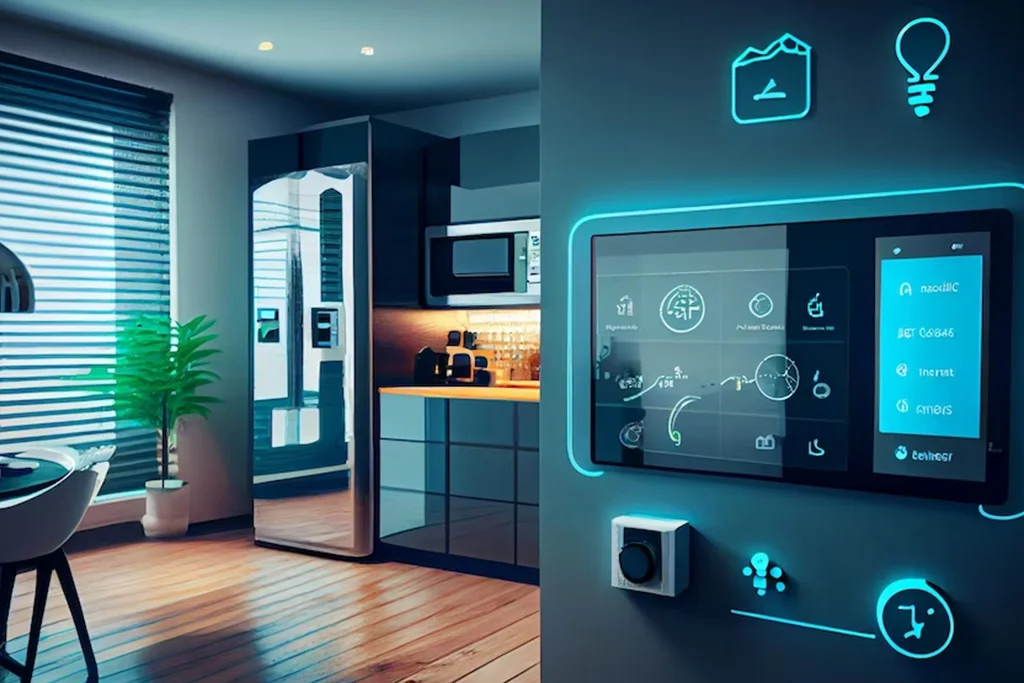
When considering home automation, it’s important to understand the factors that influence costs, the range of available options, and how to finance such an investment. Costs can vary based on the type of devices, the scale of the system, and additional services like installation. Below is a detailed explanation of each aspect of home automation costs in Kenya.
Factors Influencing the Cost of Home Automation
Several factors can impact the overall cost of setting up a home automation system. These factors include:
- Type and Quality of Devices: The cost of smart home devices varies greatly depending on the brand, technology, and quality. High-end devices such as premium security systems, energy-efficient smart thermostats, or advanced lighting systems typically cost more. Budget options may have fewer features or be less reliable, but they can still serve basic needs.
- Number of Devices: The more devices you plan to automate, the higher the total cost. For example, a system with multiple smart cameras, sensors, thermostats, and light switches will cost significantly more than a simple setup with just a few devices.
- Customization and Complexity: Customizing your home automation system to your specific needs can increase costs. A fully integrated, complex system that controls everything from entertainment to climate, security, and lighting requires a higher investment in both devices and network infrastructure.
- Installation Costs: If you choose professional installation, this will add to the overall cost. Professional installers can charge based on the complexity of the system, the number of devices, and the time required to complete the installation. DIY setups typically reduce this cost but may involve more time and effort on your part.
- Maintenance and Support: Some home automation systems may come with subscription-based services for ongoing support, firmware updates, and security monitoring. These recurring costs should be factored into the overall investment.
Understanding these factors will help you budget for a home automation system that aligns with your needs and financial capacity.
Budget-Friendly Options for Basic Automation Needs
If you’re looking to implement basic home automation without breaking the bank, there are several budget-friendly options available. These devices focus on improving convenience and security without the need for a large investment:
- Smart Lighting: Basic smart bulbs and light switches offer an affordable way to start automating your home. Prices for entry-level smart bulbs can start from KES 1,500 to KES 3,000 per bulb, while simple smart light switches can range between KES 2,500 and KES 5,000.
- Smart Plugs: Smart plugs allow you to control appliances remotely and automate on/off schedules. These are relatively inexpensive, with prices ranging from KES 1,000 to KES 3,000 per plug.
- Smart Thermostats: For basic climate control, budget-friendly smart thermostats are available, starting from around KES 10,000. These thermostats allow users to control temperatures remotely and set schedules for efficiency.
- Basic Security Systems: Entry-level security devices, such as door/window sensors, motion detectors, and basic smart cameras, are available for a few thousand shillings. Simple cameras start at KES 4,000, while more advanced models may go higher.
- Voice Assistants: Devices like Amazon Echo or Google Nest Mini are affordable, starting from approximately KES 4,000 to KES 10,000, and can be integrated with other smart devices for basic home automation.
Starting with a few basic devices can enhance your home’s automation capabilities without significant investment. These options allow for gradual expansion as your needs and budget grow.
Average Costs for Full-Scale Smart Home Systems
Full-scale smart home systems offer a high level of automation, integrating multiple devices and systems for security, energy efficiency, entertainment, and convenience. These systems can be more expensive due to the advanced technology involved and the installation requirements:
- Smart Security Systems: A complete security system with cameras, sensors, door locks, and alarms can cost between KES 40,000 and KES 150,000 depending on the brand and the features included. Higher-end systems with advanced surveillance features, cloud storage, and remote monitoring services will cost more.
- Smart Lighting Systems: The cost of a full smart lighting system varies based on the number of lights and the complexity of the setup. For an average-sized home, a smart lighting system could range between KES 30,000 and KES 80,000 for bulbs, switches, and installation.
- Smart Thermostats and HVAC Systems: Full integration of smart thermostats with your heating, ventilation, and air conditioning (HVAC) system can cost between KES 20,000 and KES 50,000. A more advanced, zoned system that provides precise control for different areas of your home can increase the cost.
- Entertainment Systems: Integrating entertainment systems such as smart TVs, sound systems, and home theaters can range from KES 40,000 to KES 100,000, depending on the complexity of the setup and the devices chosen.
- Whole-Home Automation: A comprehensive whole-home automation system that integrates all devices (lighting, security, climate control, entertainment, etc.) with a smart home hub can cost between KES 200,000 and KES 500,000, depending on the scope and level of automation.
For a full-scale smart home system, costs are typically higher due to the integration of various devices and professional installation, making it a more significant financial investment.
Financing and Payment Plans for Smart Home Installation
Financing options and payment plans can help ease the cost of setting up a smart home, particularly if you want to go with a full-scale system. Several financing options are available:
- Installment Plans: Many suppliers of home automation systems offer installment plans that allow you to pay for the devices and installation over several months. These plans can range from 6 months to 24 months, depending on the provider and the value of the system.
- Partnering with Financial Institutions: Some home automation providers partner with banks and mobile payment services to offer financing options. These may include low-interest loans or flexible payment terms that spread the cost over a longer period.
- Promotions and Discounts: Look out for seasonal promotions, discounts, or special offers from home automation providers or retailers. Some companies offer discounted packages for bundling multiple devices, which can help reduce initial costs.
- Rent-to-Own Options: Some providers may also offer rent-to-own services, where you pay a fixed monthly rate for the devices and installation. At the end of the term, you own the system outright. This can be an excellent way to get access to high-end automation solutions without the upfront investment.
- Government or Utility Rebates: Some governments or utility providers offer incentives, rebates, or subsidies for implementing energy-efficient systems, such as smart thermostats and lighting. Check if there are any such programs available in your area to reduce your overall expenditure.
With these financing options, you can make home automation more accessible by spreading the cost over time or taking advantage of promotions, making the technology more affordable for homeowners across Kenya.
Why Choose Mwanga for Home Automation?
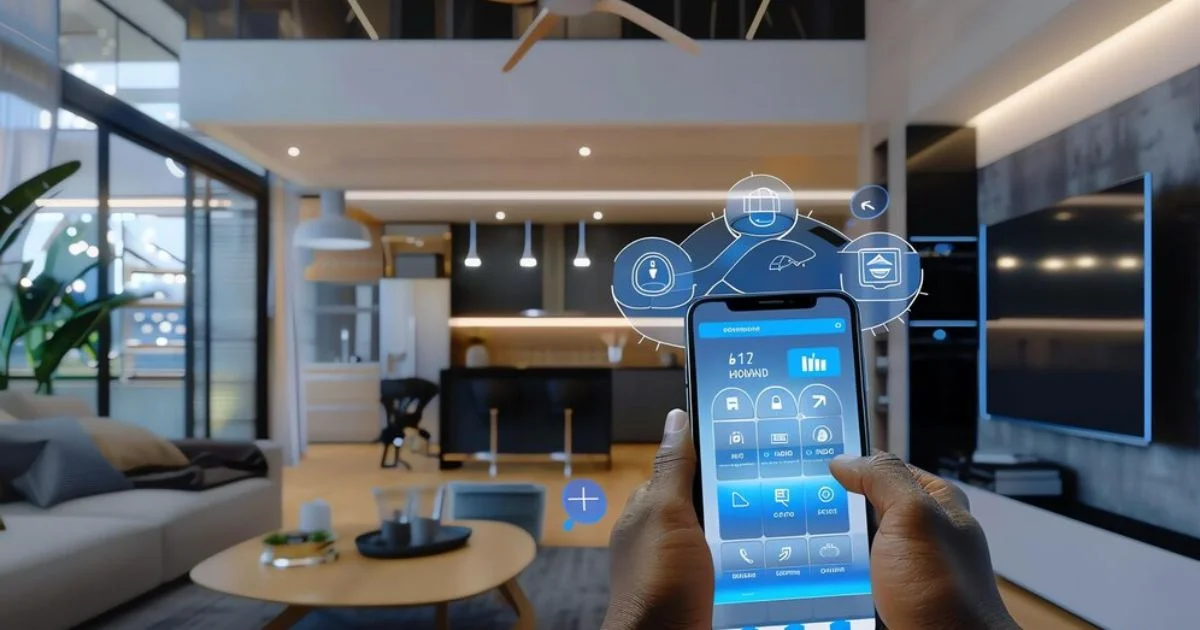
Mwanga is a trusted provider of home automation solutions in Kenya, offering a blend of expertise, quality, affordability, and customer satisfaction. With a focus on making homes smarter and more efficient, Mwanga offers comprehensive home automation services tailored to meet the unique needs of each customer. Here’s a detailed look at why Mwanga is the go-to choice for home automation in Kenya.
Expertise in Smart Home Solutions and Technology Integration
Mwanga stands out for its extensive expertise in smart home solutions and technology integration. The company has a team of professionals with in-depth knowledge of the latest advancements in home automation. Whether you are looking to automate your lighting, security, climate control, entertainment, or even kitchen appliances, Mwanga has the expertise to design and implement a solution that perfectly fits your needs.
With years of experience in the industry, Mwanga ensures that every system they install is seamless, functional, and future-proof. Their team stays up-to-date with the latest trends and products in the smart home technology space, ensuring that clients receive cutting-edge solutions. By leveraging the latest technologies, Mwanga guarantees that your home automation system is not only efficient but also integrates perfectly with other smart devices you may have, ensuring full compatibility and ease of use.
Wide Range of High-Quality Devices and Systems
Mwanga offers a diverse selection of high-quality devices and systems to meet a wide range of customer needs. From smart lighting, thermostats, and security systems to more complex solutions like whole-home automation, Mwanga ensures that customers have access to the best brands and devices available. They work with leading manufacturers and trusted suppliers to offer products that are durable, reliable, and feature-rich.
Whether you are looking for basic automation or a complete smart home solution, Mwanga has an option that fits every requirement. Their wide product range includes the latest models of smart cameras, door locks, smart thermostats, and more, all sourced from well-established and reputable brands in the industry. Mwanga’s commitment to quality means that you can trust the devices they offer to deliver superior performance, durability, and energy efficiency.
Affordable Packages Tailored to Your Budget
One of the key reasons customers choose Mwanga for their home automation needs is their focus on affordability. Mwanga offers competitive pricing and customized packages to suit various budget levels. Whether you are looking for a basic smart lighting setup or a fully automated home, they offer flexible pricing options that cater to both entry-level users and those seeking premium solutions.
Mwanga also provides transparent pricing with no hidden costs. They ensure that customers know exactly what they are paying for upfront, offering a variety of packages and solutions that can be customized based on your needs and budget. Whether you want to start small and expand gradually or invest in a comprehensive automation solution, Mwanga has affordable options that deliver exceptional value.
Professional Installation and Ongoing Support Services
Mwanga not only offers top-notch devices but also provides professional installation and ongoing support services. Their team of certified technicians is trained to handle the installation of all home automation systems, ensuring that everything is set up correctly and optimized for performance. Whether it’s a simple smart light switch or a complex whole-home automation system, Mwanga’s experts ensure the installation process is smooth, efficient, and hassle-free.
Moreover, Mwanga provides continuous support to customers post-installation. Their customer service team is available to assist with troubleshooting, updates, and any issues that may arise after the system has been set up. They offer maintenance services to ensure that your system stays up-to-date and functions at its best. With Mwanga, you don’t just get a product—you get a comprehensive service package that guarantees ongoing satisfaction and peace of mind.
Customer Testimonials and Success Stories
Customer satisfaction is at the heart of Mwanga’s operations, and they take pride in the positive feedback and success stories shared by their clients. Numerous homeowners in Kenya have transformed their living spaces with Mwanga’s home automation solutions, experiencing enhanced comfort, security, and energy efficiency.
Client testimonials highlight the professionalism of Mwanga’s team, the ease of working with them, and the quality of the smart home systems they’ve installed. Many customers have praised the seamless integration of various devices and the intuitive control offered by the systems. Success stories include homes where security has been significantly enhanced, energy bills have been reduced, and families have enjoyed increased convenience with smart technology.
Mwanga’s commitment to customer satisfaction has earned them a loyal customer base, with many clients recommending their services to friends and family. These testimonials and success stories reflect Mwanga’s dedication to providing high-quality, reliable, and efficient home automation solutions that improve the lives of their clients.
FAQs About Home Automation
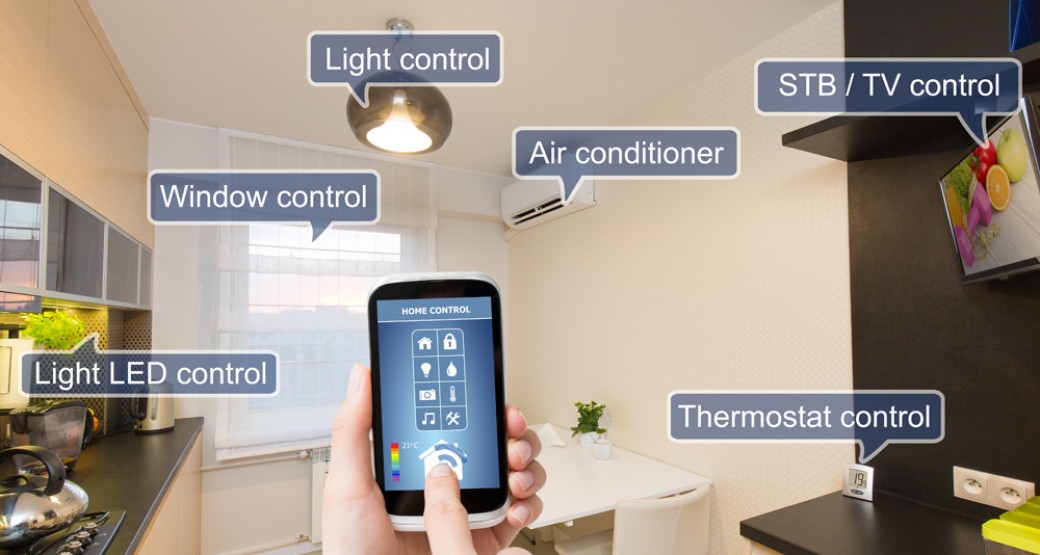
Here are some frequently asked questions (FAQs) about home automation, providing detailed answers to help you understand how this technology can transform your home.
What devices can be automated in a smart home?
In a smart home automation system, nearly every device in your home can be automated. This includes lighting, thermostats, security cameras, door locks, entertainment systems, kitchen appliances, and more. Home automation allows you to control these devices remotely, set schedules, and integrate them with other smart devices for enhanced convenience and efficiency. With the right home automation system, you can automate tasks such as turning lights on and off, adjusting your thermostat based on your schedule, or even locking doors when you leave.
Do I need Wi-Fi for home automation?
Yes, a stable Wi-Fi connection is essential for most home automation systems to function properly. Since most smart devices communicate via the internet, having Wi-Fi enables remote access, real-time control, and integration with other devices. However, some home automation devices may work without Wi-Fi, using other technologies like Bluetooth or Zigbee, but for full functionality and remote access, Wi-Fi is generally required. Ensure your home has a reliable and high-speed internet connection to enjoy uninterrupted home automation.
How secure are home automation systems from hacking?
Security is a key concern for any home automation system. While no system is completely immune to hacking, reputable home automation systems implement advanced encryption and security protocols to protect user data and devices. It’s important to ensure that your home automation devices are installed with the latest security features, such as two-factor authentication and regular software updates. Additionally, using strong passwords and securing your home Wi-Fi network can significantly reduce the risk of unauthorized access.
Can I expand my home automation system after installation?
Yes, one of the major advantages of home automation is its scalability. You can start with a basic system and expand it over time as your needs grow or as new smart devices become available. Whether it’s adding additional smart lights, integrating new security cameras, or automating more areas of your home, most home automation systems allow for easy expansion. The modular nature of these systems means you can upgrade or add new features without needing to replace the entire setup.
How much maintenance do home automation systems require?
Home automation systems generally require minimal maintenance. Most systems are designed to operate seamlessly once installed, with automatic software updates that enhance functionality and security. However, it’s important to periodically check that all devices are connected and working properly. Regular maintenance might involve ensuring that devices like smart thermostats and security cameras are calibrated correctly, cleaning sensors, or checking that firmware is up to date. Routine checks can help maintain optimal performance and address any issues promptly.
Are home automation systems easy to install, or do I need a professional?
The installation complexity of home automation systems can vary depending on the scope of the system. For simple setups, such as adding smart bulbs or plugs, DIY installation is usually straightforward and can be done using the device’s mobile app. However, more complex systems, such as smart thermostats, security systems, or whole-home automation setups, may require professional installation to ensure proper configuration and integration with other devices. Hiring a professional can help avoid issues and ensure that your home automation system is installed correctly and operates efficiently.
How energy-efficient are home automation systems?
Home automation systems are highly energy-efficient, as they allow you to optimize your home’s energy usage. Smart thermostats, for example, can adjust your home’s temperature based on occupancy, ensuring that energy is not wasted when you're not home. Automated lighting systems allow you to control lighting remotely and schedule it to turn off when not needed. Additionally, energy-monitoring devices can track your home’s energy consumption and suggest ways to reduce waste. Over time, these systems can help lower your energy bills and contribute to a more sustainable home.
Can I control my home automation system remotely?
Yes, remote control is one of the core features of home automation systems. With a reliable internet connection, you can control and monitor your devices from anywhere in the world using a mobile app, computer, or voice assistant. This means you can adjust your thermostat, lock doors, turn lights on or off, and check security cameras even when you are not at home. Remote access enhances convenience, security, and peace of mind, allowing you to manage your home automation system from the palm of your hand.
Conclusion
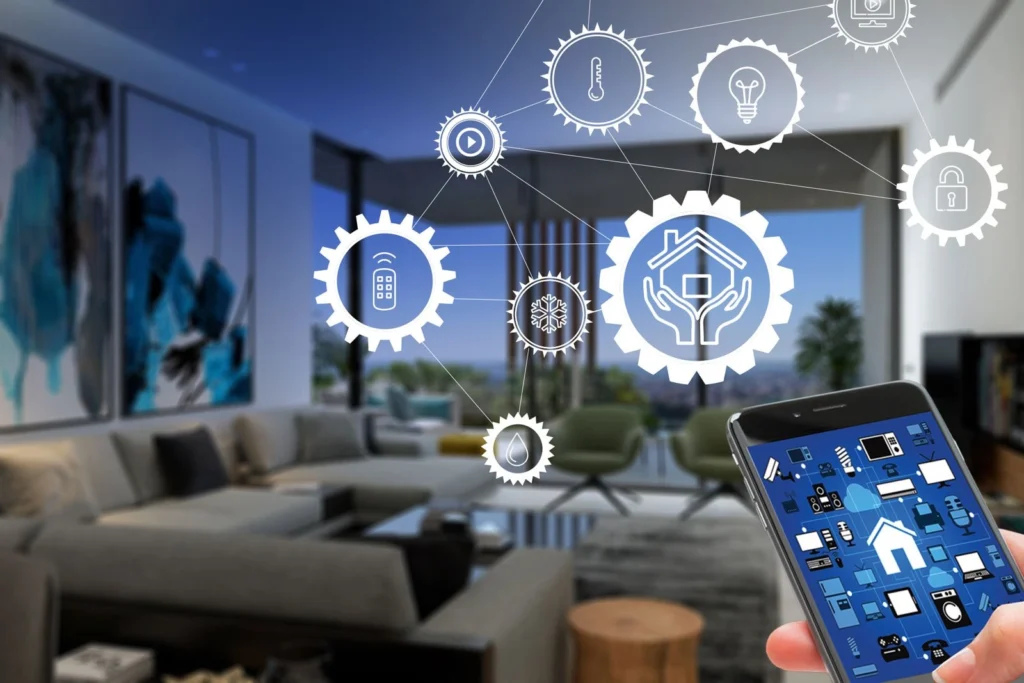
Home automation offers numerous benefits, from enhancing comfort and convenience to improving security and energy efficiency. With the ability to control your home remotely, schedule tasks, and integrate various devices, home automation makes daily living smoother and more efficient. Additionally, it increases the value of your home, making it more appealing to potential buyers while offering personalized solutions to suit your lifestyle.
Mwanga is your trusted partner for smart home solutions in Kenya. With extensive expertise in home automation systems and the latest technology, Mwanga provides tailored solutions that meet your needs and budget. Whether you’re looking for a simple upgrade or a full-scale home automation setup, Mwanga offers a wide range of high-quality devices and professional installation services, ensuring that your home is both smart and secure.
Take the first step toward transforming your home today by contacting Mwanga. Explore how our advanced smart technology can elevate your living space to new heights of convenience, security, and efficiency. Don’t wait – let Mwanga help you create the home of the future now! For more information and inquiries, visit Mwanga.





