Solar Installation in Kenya – Harnessing the Power of the Sun for Sustainable Energy Solutions
Solar installation is rapidly gaining popularity in Kenya due to its numerous benefits, including cost savings and environmental sustainability. As the country faces frequent power outages and rising electricity costs, many households and businesses are seeking alternative energy sources. Solar power offers a reliable, renewable solution that can reduce dependency on the national grid while providing consistent electricity even in remote areas.
Switching to solar energy is an important step toward sustainability in Kenya. The country has abundant sunlight, making it an ideal location for solar power generation. By harnessing this natural resource, Kenya can reduce its carbon footprint, combat climate change, and provide clean energy to areas with limited access to electricity. Moreover, solar installation is seen as an effective way to mitigate the impact of rising electricity costs and improve energy security.
This guide will cover the essential aspects of solar installation in Kenya, including its benefits, installation process, and associated costs. Whether you're considering a solar system for your home or business, understanding the different types of solar systems, key installation factors, and financing options will help you make an informed decision. With a growing market and supportive government incentives, solar energy presents an excellent opportunity for both individuals and businesses in Kenya.
Understanding Solar Installation
What is Solar Installation?
Solar installation refers to the process of setting up a system that converts sunlight into usable electricity. This system typically includes solar panels, inverters, batteries, and other necessary components. The installation involves placing solar panels on rooftops or open areas, connecting them to an inverter, and integrating the system with your electricity grid or off-grid solution.
Solar Panels: These are the primary components of a solar system, responsible for capturing sunlight and converting it into electricity.
Inverters: Inverters convert the direct current (DC) electricity generated by the solar panels into alternating current (AC), which is used in most home and business appliances.
Batteries (Optional): In off-grid or hybrid systems, batteries store excess energy produced during the day for use at night or during cloudy weather.
Wiring and Electrical Components: These ensure the safe flow of electricity between the solar panels, inverter, and your home or business system.
The installation process involves an assessment of your energy needs, proper placement of the panels, electrical connections, and testing to ensure the system works efficiently.
How Solar Power Works: Harnessing Sunlight to Generate Electricity
Solar power works by capturing the energy from sunlight and converting it into electrical energy that can be used to power homes, businesses, or other electrical devices. The core technology behind solar power generation involves photovoltaic (PV) cells, which are embedded in solar panels.
Photovoltaic Cells: These cells absorb sunlight and cause the electrons in the material to move, creating an electric current.
Conversion to Usable Electricity: The direct current (DC) electricity generated by the panels is directed to an inverter. The inverter converts this DC electricity into alternating current (AC) electricity, which is the type of electricity used in most homes and businesses.
Energy Storage (Optional): Excess energy generated during sunny periods can be stored in batteries for later use, ensuring a continuous power supply even when the sun is not shining.
This process allows solar systems to provide a sustainable and reliable source of energy, reducing reliance on fossil fuels and grid power.
The Growing Demand for Solar Energy Solutions in Kenya
The demand for solar energy solutions in Kenya has surged in recent years, driven by several factors:
High Energy Costs: As electricity prices continue to rise in Kenya, more people are turning to solar power as an affordable alternative to reduce their energy bills.
Frequent Power Outages: Many parts of Kenya experience unreliable electricity supply due to aging infrastructure or grid instability. Solar power offers a consistent, off-grid solution to ensure an uninterrupted energy supply.
Government Incentives and Support: The Kenyan government has been actively promoting solar energy through subsidies, tax incentives, and the provision of financing options to make solar installations more affordable.
Environmental Concerns: With growing awareness of climate change and the environmental impact of traditional energy sources, Kenyans are increasingly seeking cleaner, renewable energy solutions like solar power.
Technological Advancements: The cost of solar technology has been steadily decreasing, making it more accessible for both residential and commercial installations. Improved efficiency and storage options have also made solar energy a more viable option for a wider range of consumers.
As the country moves toward renewable energy, solar power has become a key component in meeting Kenya's energy needs and reducing its carbon footprint. This rising demand signals a shift toward sustainability and energy independence across the nation.
Benefits of Solar Installation in Kenya
Reducing Electricity Bills: The Cost-Effectiveness of Solar Energy
Solar installation in Kenya offers a clear financial advantage, primarily through the significant reduction of electricity bills. With solar panels installed, homes and businesses can generate their own electricity, lowering their reliance on the national grid, and thus cutting monthly energy expenses.
Immediate Savings: As soon as solar panels are installed and operational, they begin to generate electricity from sunlight, directly powering your home or business. This means less electricity is drawn from the national grid, resulting in lower monthly utility bills.
Long-Term Financial Benefits: Solar energy systems are a long-term investment. Although the upfront cost can be substantial, the savings on energy bills can quickly offset this investment. With an average solar system lifespan of 25 to 30 years, users can enjoy significant savings over the system's lifetime.
Reducing Peak Energy Costs: Solar energy is especially valuable during peak hours when the cost of electricity is highest. By using solar power during these times, you can minimize your reliance on the grid and take advantage of the cheaper, renewable energy from your solar system.
Financial Planning and Return on Investment: Solar installation offers a clear return on investment (ROI) with payback periods often ranging from 5 to 10 years depending on energy consumption, system size, and available sunlight. Additionally, the growing availability of financing options makes solar power more accessible, with affordable monthly payment plans that make the upfront cost easier to manage.
Government Incentives and Tax Breaks: The Kenyan government offers various incentives, such as tax breaks and subsidies, to encourage the adoption of renewable energy. These incentives further reduce the financial burden of installing a solar system and make it an even more cost-effective option for homeowners and businesses.
Environmental Impact: Contributing to a Cleaner, Greener Kenya
Switching to solar energy offers substantial environmental benefits, contributing to a cleaner, greener Kenya. As Kenya faces the realities of climate change, the adoption of solar energy can help reduce the negative impact of traditional energy sources, such as coal, oil, and gas.
Reduction of Greenhouse Gas Emissions: Solar power systems produce little to no greenhouse gases when generating electricity. Unlike fossil fuels, which release carbon dioxide and other pollutants into the atmosphere, solar energy is clean and does not contribute to air pollution or climate change. By reducing reliance on coal and oil, solar installations can significantly lower carbon emissions.
Supporting National Climate Goals: Kenya has committed to reducing its carbon footprint and increasing the share of renewable energy in its overall energy mix. By embracing solar energy, the country can meet its environmental targets and contribute to global efforts to reduce the harmful effects of climate change.
Conservation of Natural Resources: Traditional energy sources, such as coal, gas, and oil, rely on the extraction and consumption of finite natural resources. Solar energy, on the other hand, is virtually inexhaustible. Harnessing sunlight, which is abundant and renewable, ensures a more sustainable energy solution without depleting non-renewable resources.
Clean Energy for Future Generations: Investing in solar energy today ensures that future generations will have access to a reliable and sustainable energy source. By reducing dependency on polluting fossil fuels, Kenya can move toward a more sustainable and environmentally responsible future.
Reliable and Sustainable Energy Source, Even During Power Outages
Kenya's electricity grid is not always reliable, with frequent power outages and occasional blackouts caused by infrastructure issues, weather conditions, and other factors. Solar power provides a reliable and sustainable energy source, offering a consistent electricity supply even when the grid goes down.
Off-Grid Solar Systems: For areas that are not connected to the national grid, solar power provides an ideal solution. Off-grid systems can be installed in remote locations, providing uninterrupted electricity where it is otherwise unavailable. These systems are independent and do not rely on the grid for power, ensuring a steady energy supply even in the most rural and remote regions.
Energy Reliability: With solar systems, especially hybrid systems that include batteries for energy storage, users can have a constant supply of electricity, even when the sun isn’t shining or during power outages. This makes solar energy especially important in areas with unreliable or insufficient grid infrastructure.
Battery Storage for Consistency: Solar energy systems paired with battery storage can store excess energy generated during the day, which can then be used at night or during cloudy periods. This storage solution ensures that homes and businesses maintain a continuous power supply, eliminating dependence on the grid and providing energy security.
Resilience to Climate Events: Solar power systems are less affected by weather disruptions like heavy rain or storms that might cause grid failures. Even during adverse weather conditions, a properly installed solar system can continue to function, offering a more resilient energy solution than traditional grid power.
Increased Property Value with Solar Power Systems
Installing solar power systems can increase the value of a property, making it a more attractive option for potential buyers. As the demand for energy-efficient, sustainable homes grows, solar-powered properties are becoming more desirable in the real estate market.
Appeal to Environmentally Conscious Buyers: Homebuyers who value sustainability are more likely to pay a premium for properties with solar power systems. A solar-powered home offers the potential for energy savings, environmental benefits, and energy independence—all of which are attractive to environmentally conscious buyers.
Attractive Investment: The upfront cost of installing solar panels can be recouped over time through energy savings, and the added value to the property increases the overall return on investment. Properties with solar panels are often seen as having lower operating costs, making them more appealing in the long run.
Improved Marketability: Homes or businesses with solar power systems stand out in the competitive property market. With the increasing focus on sustainability, properties with solar installations are more marketable and likely to sell faster.
Long-Term Value: Over the long term, a solar-powered property can retain its value, especially in markets where renewable energy is highly valued. The longer lifespan of solar systems (typically 25-30 years) ensures that the value added to the property is sustained throughout this period.
Independence from the National Grid and Energy Security
Solar power systems provide users with greater autonomy by reducing dependence on the national electricity grid. This independence not only ensures a reliable and consistent energy supply but also offers enhanced energy security in the face of grid failures or rising electricity costs.
Autonomous Energy Supply: Solar systems, particularly off-grid or hybrid systems, allow homeowners and businesses to generate and use their own electricity. This reduces reliance on the national grid, which may suffer from power shortages, outages, or price hikes. With solar power, users are less vulnerable to fluctuations in energy availability.
Energy Independence: Solar energy gives individuals and businesses control over their energy production. By generating their own electricity, they can reduce their exposure to energy price volatility, which is especially important in regions where electricity costs can fluctuate significantly due to fuel price changes or grid instability.
Backup Power and Energy Security: Solar systems with battery storage provide a backup power solution, ensuring users always have access to electricity, even during grid failures. In this way, solar power acts as a safeguard against potential disruptions to the national grid, ensuring homes and businesses maintain a steady energy supply at all times.
Support for Local Communities: For areas with limited access to the national grid or where power outages are frequent, solar power provides a reliable energy source that fosters greater community resilience. By empowering individuals with their own power generation systems, solar energy contributes to enhanced local energy security and economic stability.
Solar installation in Kenya provides an array of benefits, from significant cost savings and environmental impact to reliable energy supply and increased property value. These benefits make solar power a key solution for sustainable energy in Kenya, offering both economic and ecological advantages for homeowners, businesses, and the nation as a whole.
Types of Solar Systems for Installation in Kenya
Off-Grid Solar Systems: Ideal for Remote Areas and Independence
Off-grid solar systems are a popular and highly effective solution for locations in Kenya that are not connected to the national electricity grid. These systems allow users to generate and store their own electricity, providing energy independence and sustainability, especially in remote or rural areas.
Key Features of Off-Grid Solar Systems:
Independence from the National Grid: Off-grid systems are entirely self-sufficient and do not rely on the national electricity grid. This is particularly beneficial in areas where grid connection is unavailable or unreliable. Users can generate, store, and consume their own electricity without dependence on external energy sources.
Ideal for Remote and Rural Areas: In Kenya, many rural and remote areas are not connected to the national power grid. Off-grid solar systems are the perfect solution for these locations, providing reliable and renewable energy without the need for expensive infrastructure development.
Solar Panels and Battery Storage: Off-grid solar systems include solar panels to capture sunlight and convert it into electricity, as well as a battery bank to store excess energy for use when sunlight is unavailable, such as during the night or on cloudy days. This storage capacity ensures a constant and uninterrupted power supply, even when the sun isn’t shining.
Flexibility in System Size: Off-grid systems are customizable to meet the energy needs of the user, whether it is for a small household, a large farm, or a community center. The system size and battery capacity can be adjusted based on the energy demand, ensuring that the system is efficient and cost-effective.
No Monthly Utility Bills: Since off-grid solar systems are not connected to the grid, there are no monthly utility bills to worry about. The only costs are the initial installation and maintenance, which are usually lower than ongoing electricity expenses from the grid. Over time, users enjoy significant savings.
Advantages of Off-Grid Solar Systems in Kenya:
Sustainability: Off-grid solar systems are completely powered by renewable energy from the sun, making them environmentally friendly. By using solar power, users reduce their carbon footprint and contribute to Kenya’s environmental sustainability efforts.
Reliability and Consistency: Off-grid solar systems are less prone to disruptions such as power outages or load shedding that often affect the national grid. As long as the solar panels are working and the batteries are charged, users can enjoy consistent and reliable electricity.
Cost-Effectiveness in Remote Locations: In many rural areas, extending the national grid can be costly and logistically challenging. Off-grid solar systems are often a more affordable and practical option, both in terms of installation and long-term maintenance costs.
Energy for Various Applications: Off-grid systems can be used for various applications, such as lighting homes, powering agricultural tools and equipment, supplying water pumps, and supporting small businesses. The flexibility of off-grid solar solutions makes them highly versatile for different sectors.
Empowering Local Communities: Off-grid solar solutions provide local communities with the power they need to thrive without waiting for grid extensions. They enable economic activities like running small businesses, improving healthcare services, and enhancing education through better access to lighting and digital tools.
Challenges of Off-Grid Solar Systems:
Initial Cost: While off-grid solar systems can save money in the long run, the upfront cost of installation, including purchasing solar panels, batteries, and other components, can be high. However, government incentives and financing options are increasingly making off-grid solar more accessible to individuals and communities.
Battery Maintenance: The batteries used in off-grid systems need periodic maintenance and eventual replacement after several years of use. It’s essential for users to factor this into their long-term energy planning to ensure the system remains efficient.
Off-grid solar systems are an ideal solution for remote areas and those seeking energy independence in Kenya. They provide a reliable, renewable, and sustainable source of electricity, reduce energy costs, and contribute to environmental conservation. By offering an alternative to the national grid, off-grid solar systems empower individuals and communities with greater control over their energy needs.
On-Grid Solar Systems: Connecting to the National Grid for Backup
On-grid solar systems, also known as grid-tied solar systems, are designed to be connected directly to the national electricity grid. These systems allow users to harness solar power while still maintaining access to grid electricity, offering a combination of energy generation and backup support. This type of system is ideal for homeowners and businesses that want to reduce their reliance on the grid and lower electricity costs but still need a backup in case their solar system doesn’t produce enough energy.
Key Features of On-Grid Solar Systems:
Connection to the National Grid: On-grid systems are integrated with the national grid, allowing users to draw electricity from the grid when their solar panels are not generating enough power (such as at night or during cloudy weather). This ensures a continuous power supply without interruption.
Excess Energy Export: One of the key advantages of on-grid systems is their ability to export excess electricity back to the grid. If the solar system produces more power than the household or business requires, the surplus is sent to the national grid. In some cases, this can lead to credits or compensation for the energy fed into the grid, depending on the energy utility’s net metering policy.
Solar Panels and Inverter: On-grid systems consist of solar panels that capture sunlight and an inverter that converts the direct current (DC) electricity generated by the panels into alternating current (AC), which is suitable for home or business use. The inverter also manages the flow of electricity to and from the grid, ensuring the system operates efficiently.
No Battery Storage: Unlike off-grid systems, on-grid systems typically do not include batteries for energy storage. This means that during times when the solar system is producing more electricity than is needed, the excess power is sent to the grid rather than being stored for later use. The system relies on the grid as a backup when solar generation is insufficient.
Advantages of On-Grid Solar Systems in Kenya:
Reduced Electricity Bills: On-grid solar systems help to reduce electricity costs by allowing users to generate their own power. By feeding excess energy back into the grid and using solar power when it's available, users can lower their monthly electricity consumption from the national grid, resulting in lower electricity bills.
Backup Power: While on-grid systems are reliant on the grid for backup, they ensure that users have access to a consistent power supply, even during periods when solar power production is low. This eliminates concerns about power shortages or outages.
No Need for Expensive Battery Storage: On-grid systems do not require expensive battery storage systems to store excess energy. Since users can export excess power back to the grid, there is no need to invest in batteries, making the system more affordable upfront. This also reduces long-term maintenance costs associated with battery upkeep.
Environmental Benefits: Like other solar systems, on-grid solar systems use renewable energy from the sun, reducing reliance on fossil fuels. By utilizing solar power and feeding excess energy into the grid, users contribute to the reduction of greenhouse gas emissions and the overall environmental impact of energy consumption in Kenya.
Incentives and Savings: In Kenya, there are various incentives and programs that promote solar energy adoption, such as government subsidies, tax exemptions, and net metering policies. On-grid solar users can take advantage of these financial incentives to reduce the initial cost of installation and benefit from ongoing savings.
Challenges of On-Grid Solar Systems:
Dependence on the Grid: On-grid systems rely on the national grid for backup power, which means that users are still vulnerable to grid power outages or fluctuations. While solar energy can be used when available, users must depend on the grid when solar production is insufficient or during periods of power failure.
Regulatory and Net Metering Challenges: In some regions, the regulatory framework for net metering (selling excess power back to the grid) may not be fully established or may not offer the expected financial returns. Users should ensure they understand the local policies and available incentives for grid connections and energy exports.
Limited Energy Autonomy: On-grid systems do not offer full energy independence. Although they reduce grid dependence by providing solar power during the day, users must still rely on the grid during nighttime or periods of low sunlight.
On-grid solar systems provide a practical and cost-effective solution for homeowners and businesses in Kenya who want to reduce their electricity bills while benefiting from solar power. They allow users to tap into the national grid for backup power, export excess energy, and take advantage of government incentives. While they do not offer complete energy independence, on-grid systems are an excellent option for those seeking to balance solar power generation with the reliability of the national grid.
Hybrid Solar Systems: The Best of Both Worlds (Grid and Off-Grid)
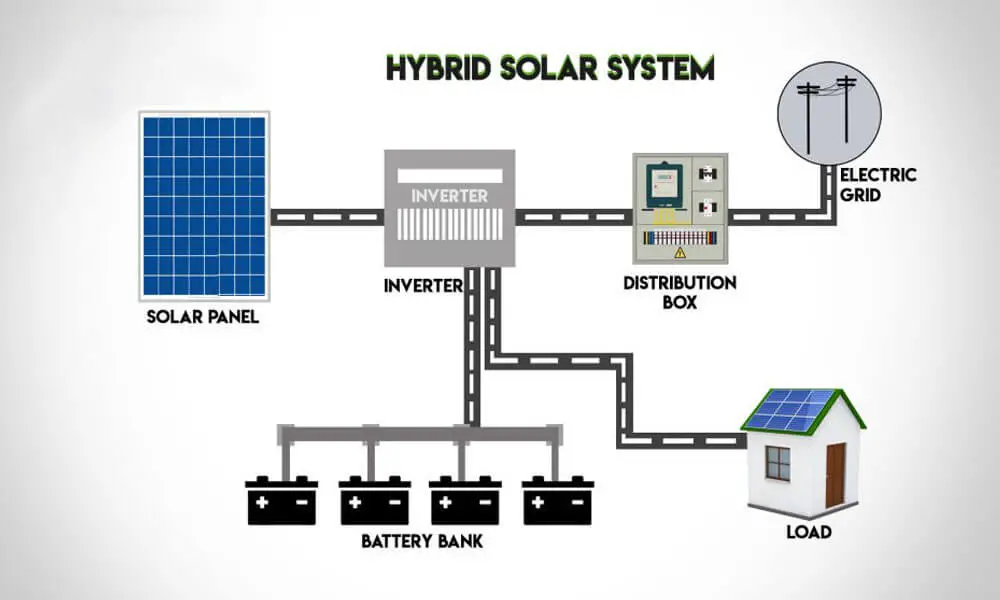
Hybrid solar systems combine the benefits of both on-grid and off-grid systems, offering the best of both worlds for users who want to maximize the advantages of solar power while maintaining access to backup energy when needed. These systems incorporate solar panels, a battery storage system, and an inverter, providing flexibility and reliability by drawing from both solar energy and the national grid as required.
Key Features of Hybrid Solar Systems:
Solar Power with Battery Storage: Hybrid systems include solar panels that generate electricity from sunlight, an inverter that converts the energy to usable power, and batteries to store excess energy. This stored energy can be used during times when solar generation is insufficient, such as at night or on cloudy days, ensuring a reliable power supply even without sunlight.
Grid Connection for Backup and Support: Like on-grid systems, hybrid systems are connected to the national grid, providing backup energy when the solar power and battery storage are not enough to meet the user’s energy demand. This ensures that the user has access to electricity at all times, even during periods of low solar production or power outages.
Smart Energy Management: Hybrid solar systems are equipped with advanced energy management systems that intelligently switch between solar power, battery storage, and grid electricity based on availability and demand. This smart system maximizes the use of solar energy, minimizes grid consumption, and ensures that stored power is used efficiently.
Advantages of Hybrid Solar Systems in Kenya:
Energy Independence with Backup: Hybrid systems offer the best of both worlds—users can generate their own solar power and store excess energy in batteries for later use, ensuring energy independence. At the same time, they are connected to the national grid for backup energy when necessary, ensuring a reliable power supply at all times.
Reduced Electricity Bills: By utilizing solar power for most of their energy needs, users can significantly reduce their monthly electricity bills. The stored energy from the batteries can be used during peak hours or times when the grid is most expensive, minimizing grid dependence and maximizing solar savings.
Reliability During Power Outages: One of the key benefits of hybrid systems is their ability to provide backup power during grid outages. The battery storage ensures that users continue to have access to electricity even when there is a power failure, offering greater peace of mind and continuity of services.
Environmental Sustainability: Hybrid systems are powered by renewable solar energy, helping to reduce reliance on fossil fuels and decrease carbon emissions. By integrating solar power with grid backup, users contribute to Kenya’s green energy goals while enjoying a cleaner, more sustainable energy source.
Flexibility and Scalability: Hybrid systems can be customized to meet specific energy needs, whether for small households, large businesses, or agricultural operations. The system can be scaled up or down by adding more solar panels or increasing the battery capacity to match changing energy requirements. This flexibility ensures that hybrid systems remain a viable solution as energy needs evolve.
Challenges of Hybrid Solar Systems:
Higher Initial Cost: Hybrid systems require both solar panels and a battery storage system, which increases the upfront cost compared to standard on-grid systems. While the additional investment can result in long-term savings, the initial cost may be a barrier for some users. However, financing options and government incentives can help mitigate this cost.
Battery Maintenance and Replacement: Batteries used in hybrid systems require maintenance and eventual replacement after several years of use. The lifespan of the batteries varies, and users should be prepared for the costs associated with battery replacement and system upkeep. However, the cost of batteries has been decreasing, making them more affordable.
Complex Installation and Design: Installing a hybrid solar system requires careful planning and design to ensure the system operates optimally. The complexity of integrating both solar power generation and storage, along with grid connection, requires professional expertise. Users must work with experienced solar installers to ensure the system is correctly designed and installed.
Hybrid solar systems offer an optimal solution for users seeking energy independence while retaining access to grid electricity. By combining solar energy generation, battery storage, and grid backup, hybrid systems provide reliable, sustainable, and cost-effective energy. They are ideal for those who want to maximize solar power use and minimize grid reliance, all while ensuring energy availability during power outages or periods of low solar production.
Commercial vs. Residential Solar Installations
Solar energy solutions are adaptable for both commercial and residential settings, each with its own unique requirements and benefits. Whether for a home or a business, solar installations offer substantial advantages in terms of energy savings, environmental impact, and energy independence. However, the scale, design, and purpose of the systems differ between commercial and residential installations.
Residential Solar Installations:
Residential solar systems are designed to meet the energy needs of private homes and small households. These systems are generally smaller in scale, tailored to the energy consumption of the household, and can be grid-tied, off-grid, or hybrid systems, depending on the homeowner's preferences and needs.
Key Features of Residential Solar Installations:
Size and Capacity: Residential solar systems typically range from 3 kW to 10 kW, depending on the size of the home and the energy consumption needs of the household. The systems are designed to meet the daily energy demands of a home, such as lighting, heating, and powering appliances.
Cost-Effectiveness: For most homeowners, residential solar installations are an investment that leads to lower electricity bills. The systems can significantly reduce reliance on the national grid and, in some cases, eliminate energy costs altogether. Over time, solar panels pay for themselves through energy savings.
Aesthetic Considerations: Residential solar installations are often designed with aesthetics in mind, ensuring that the panels blend with the roof and exterior of the house. Homeowners may opt for more discreet solar panel designs or choose roof-integrated systems that are less visible.
Energy Independence: Residential systems, particularly off-grid and hybrid solar installations, provide homeowners with energy independence, reducing reliance on local utilities and ensuring power availability during outages. Battery storage systems also allow homeowners to use their stored solar energy during periods when the sun is not shining.
Maintenance and Lifespan: Residential solar installations require minimal maintenance, usually consisting of periodic cleaning and inspection. The systems typically last between 25 to 30 years, providing long-term value for homeowners.
Commercial Solar Installations:
Commercial solar systems are designed for businesses, institutions, and other large-scale applications. These systems are typically larger in size and capacity than residential systems, designed to handle higher energy consumption demands, often providing power for entire buildings or facilities.
Key Features of Commercial Solar Installations:
Larger Scale and Capacity: Commercial solar installations typically range from 10 kW to several megawatts, depending on the size of the business or facility. These systems are designed to meet the larger energy consumption requirements of commercial operations, including office buildings, factories, schools, shopping malls, and warehouses.
Higher Initial Investment: While commercial solar systems often have a higher upfront cost due to their size and complexity, they typically offer higher returns on investment through significant energy savings. Businesses can offset their energy costs, increase energy efficiency, and reduce operating expenses over time.
Custom System Design: Commercial solar installations are often customized to meet the unique needs of the business. The design takes into account factors such as roof space, energy usage patterns, and the potential for expansion. Additionally, commercial systems may involve more complex energy management strategies and integration with existing building systems.
Tax Incentives and Subsidies: Many governments, including Kenya’s, offer financial incentives for businesses to install solar energy systems, such as tax deductions, grants, or low-interest loans. These incentives can significantly reduce the initial investment burden for commercial entities.
Long-Term Savings and Environmental Impact: Commercial solar installations can significantly reduce operational energy costs, leading to long-term savings and a reduction in carbon footprints. By adopting solar energy, businesses contribute to environmental sustainability while enhancing their corporate social responsibility (CSR) profile.
Energy Reliability and Backup: Like residential systems, commercial solar installations, particularly hybrid systems, provide energy reliability by offering backup power during grid outages. This is especially crucial for businesses that rely on uninterrupted power supply, such as data centers or manufacturing plants.
Key Differences Between Commercial and Residential Solar Installations:
Scale: Commercial systems are much larger and more complex than residential systems. They are designed to power large facilities, requiring more solar panels, inverters, and often energy storage solutions.
Cost: The cost of commercial systems is generally much higher due to their size and scope, but the return on investment (ROI) is often faster due to the higher energy demands and savings. Residential systems, on the other hand, are more affordable but have smaller energy generation capacities.
Customization: While residential systems can be customized to fit the home’s needs, commercial systems often require more sophisticated engineering and design, as they have to integrate with business operations, comply with regulations, and meet larger energy demands.
Energy Management: Commercial systems often require advanced energy management strategies to ensure efficient energy use and optimize power distribution, especially for large operations with variable energy consumption patterns.
Incentives: Businesses may have access to more significant government incentives and subsidies, including tax credits and rebates, for adopting solar energy, which can reduce the financial burden of installing a commercial system.
The main distinction between commercial and residential solar installations lies in the scale and complexity of the systems. Commercial solar installations are larger, more expensive, and customized for businesses, whereas residential systems are smaller and designed to meet the energy needs of households. Both types of installations offer substantial financial and environmental benefits, with commercial systems typically offering higher energy savings, while residential systems provide homeowners with energy independence and long-term savings on their electricity bills.
Key Factors to Consider When Installing Solar Systems in Kenya
When deciding to install a solar system in Kenya, several factors must be carefully evaluated to ensure the system’s efficiency, cost-effectiveness, and overall success. From understanding your energy needs to choosing the right installer, each step plays a crucial role in optimizing the benefits of solar energy. Below are the key factors to consider when installing a solar system in Kenya.
4.1 Assessing Your Energy Needs and Solar System Size
Before installing a solar system, it is essential to evaluate your energy consumption patterns to determine the appropriate system size. Understanding your energy needs will help you design a solar solution that efficiently meets your daily requirements.
Energy Consumption Analysis: Start by reviewing your electricity bills over the past few months or even a year to understand your average consumption. Identify peak usage hours, appliances that consume the most power (e.g., air conditioners, refrigerators, lighting), and any seasonal fluctuations in demand.
Calculating System Size: Once you know your energy usage, the next step is to calculate the solar system size needed. Generally, a residential system requires about 3–10 kW of power, while commercial installations might need larger systems, ranging from 10 kW to several megawatts. The size of your roof and the amount of sunlight your location receives will also influence this calculation.
Usage Patterns: For those seeking more energy independence or a backup power solution, off-grid or hybrid systems may require additional storage capacity (batteries). For grid-tied systems, the amount of energy generated during the day can be sent back to the national grid, reducing the overall electricity bills.
Choosing the Right Type of Solar System for Your Home or Business
Selecting the right type of solar system is a critical decision, as it directly impacts your energy usage, costs, and the long-term performance of the installation. There are several options available:
Off-Grid Solar Systems: These are ideal for remote areas without access to the national grid. Off-grid systems are fully self-sustaining, with battery storage to store excess energy for use at night or during cloudy days.
On-Grid Solar Systems: This is the most common type in urban areas, where businesses and homes are connected to the national power grid. On-grid systems allow users to draw power from the grid when needed and send excess energy back, potentially earning credits or reducing energy bills.
Hybrid Solar Systems: Combining the benefits of both off-grid and on-grid systems, hybrid systems allow for power storage and backup. This is ideal for users who want to maintain a connection to the grid while still having energy independence and backup during outages.
Residential vs. Commercial Systems: Residential systems are designed to meet the energy demands of a home, while commercial systems are scaled to handle the energy needs of businesses. Make sure to choose a system that aligns with the size and type of your property or facility.
Evaluating Your Roof Space for Solar Panel Installation
The amount of available roof space is a crucial factor in determining the size and configuration of your solar system. An assessment of your roof will help ensure that the system can be installed effectively and operate efficiently.
Roof Space: Solar panels require a clear, unobstructed area to ensure maximum exposure to sunlight. Residential homes with a large, flat, or sloped roof can easily accommodate a solar system. Commercial buildings may have more expansive roof space, which can allow for larger installations.
Roof Condition: The condition of your roof must be assessed before installation. Solar panels are designed to last for decades, so ensuring that your roof is in good condition and can support the weight of the panels is essential. If the roof needs repairs, it’s best to address them before the solar system is installed.
Orientation and Angle: The angle and orientation of your roof affect the efficiency of the solar panels. Ideally, solar panels should face directly south (in the Southern Hemisphere) to maximize sunlight exposure. The roof's angle should also be optimized for solar absorption, typically between 15° to 40° for most regions in Kenya.
Shading: Trees, buildings, or other obstacles can create shading on your roof, reducing the efficiency of your solar panels. Ensure that the roof space selected for panel installation is free from significant shading during peak sun hours (usually between 9 AM and 3 PM).
Budget Considerations and Return on Investment
Solar installations require a significant upfront investment, but they provide long-term savings on electricity costs, making them a valuable financial commitment. It’s essential to evaluate your budget and calculate the return on investment (ROI) to determine whether solar energy is financially feasible.
Initial Cost: The total cost of installing a solar system varies based on its size, the type of system chosen, and any additional components, such as batteries or energy management systems. Residential solar installations typically cost between KES 200,000 to KES 1,500,000, while commercial systems can exceed KES 5,000,000.
Financing Options: If the upfront cost is a concern, consider exploring financing options such as loans, leases, or solar power purchase agreements (PPAs). Many solar providers in Kenya offer financing options that allow homeowners or businesses to pay for the system over time.
Incentives and Subsidies: The Kenyan government offers incentives to encourage the adoption of renewable energy, including tax exemptions and subsidies for solar systems. Check for available government programs or incentives that can reduce the overall cost of the installation.
ROI Calculation: The ROI for solar installations is typically realized through reduced electricity bills. On average, solar panels can pay for themselves in 5–7 years, with savings continuing for the remaining life of the system (typically 25+ years). Calculate your potential savings to ensure the investment is worthwhile.
Finding a Reliable Solar Installer for Professional Setup
Choosing the right installer is crucial to ensure that your solar system is installed properly and performs efficiently. A reliable and experienced installer can help guide you through the entire process, from system design to post-installation support.
Certifications and Expertise: Ensure that the installer is licensed, certified, and experienced in solar installations. They should be able to provide you with references or testimonials from previous customers to verify their work.
Quality of Equipment: A good installer will offer high-quality solar panels and components from reputable manufacturers. Ensure that the equipment used is durable, efficient, and covered by warranties.
Installation Process: Discuss the installation process with the installer. A reliable company will conduct a thorough site survey, explain the design and configuration of your system, and provide you with a clear timeline for installation.
Maintenance and Support: After installation, ensure that the installer offers ongoing maintenance and support services. A good installer will provide regular maintenance, performance monitoring, and troubleshooting to ensure your system operates efficiently over time.
The process of installing a solar system in Kenya involves careful planning and consideration of energy needs, available space, budget, and the choice of a reliable installer. Taking these key factors into account ensures that the solar installation will meet your needs effectively and provide long-term savings and energy independence.
The Solar Installation Process in Kenya
The process of installing a solar system in Kenya involves a series of well-defined steps to ensure that the system meets your energy needs and operates efficiently. From the initial consultation to ongoing support, every stage is critical to ensuring successful solar energy deployment.
Initial Consultation and Site Survey
The solar installation process begins with an initial consultation, where the installer meets with you to discuss your energy needs, goals, and preferences. This consultation provides an opportunity for the installer to assess your property and recommend the best system configuration based on your specific situation.
Energy Needs Assessment: The installer will ask about your current energy usage, the size of your home or business, and any particular power needs. This helps determine the most suitable solar system type (e.g., off-grid, on-grid, or hybrid) and size.
Site Survey: A site survey follows the consultation, during which a technician visits your property to assess the physical conditions of your roof, such as its size, condition, orientation, and any potential shading from trees or nearby structures. The technician also checks the electrical system to ensure it is compatible with the proposed solar setup.
Feasibility Assessment: During this stage, the installer will assess whether solar installation is feasible at your location, considering factors like roof space, sunlight exposure, and access to the national grid (if applicable). This helps to determine the best placement for solar panels and other components.
Custom System Design and Configuration
After the site survey, the installer will begin designing a custom solar system that meets your specific energy needs. The design phase is critical, as it ensures the system is tailored to provide the right amount of energy, optimize efficiency, and minimize costs.
Solar Panel Selection: The installer will select high-quality solar panels based on efficiency, durability, and cost-effectiveness. The number of panels needed will depend on your energy consumption and roof size.
Battery and Storage Design (if applicable): For off-grid or hybrid systems, the design will include a battery storage solution to store excess energy for later use, such as during the night or on cloudy days. The installer will calculate the optimal battery size based on your energy needs and the solar generation capacity.
Inverter and Electrical Setup: The inverter converts the direct current (DC) generated by the solar panels into alternating current (AC) used in your home or business. The system configuration will include a high-efficiency inverter and ensure proper integration with your electrical system.
System Configuration and Layout: The design also includes determining the optimal layout of the solar panels on your roof to maximize exposure to sunlight. This layout will take into account roof slope, panel spacing, and sunlight orientation.
The Installation Process: Step-by-Step Guide
Once the system design is complete and approved, the installation process begins. This stage involves setting up the solar panels, wiring, and other components on-site. The installation process is typically broken down into the following steps:
Step 1: Preparation: The installation team prepares the roof, ensuring it is structurally sound and ready to support the panels. This may involve reinforcing the roof, especially in older buildings.
Step 2: Mounting the Panels: The solar panels are mounted on the roof using secure, durable mounting brackets. The panels are carefully positioned to face the optimal direction (usually north or south, depending on the hemisphere) and at the correct angle for maximum sunlight exposure.
Step 3: Wiring and Inverter Setup: The installer connects the solar panels to the inverter and the electrical system. This wiring is done according to safety standards to ensure the system is properly integrated with your home or business’s electrical setup. For off-grid systems, batteries are also connected during this phase.
Step 4: Installation of Additional Components: For hybrid or off-grid systems, additional components such as battery storage systems, charge controllers, and backup generators are installed. These components ensure the system operates efficiently and provides power when needed.
Step 5: System Integration: The installer connects the solar system to your electrical grid (for on-grid systems) or to your battery storage system (for off-grid systems). This integration allows the system to begin generating and distributing power.
Testing and Commissioning Your Solar Power System
After the installation is complete, the system goes through a series of tests to ensure that it is operating as expected and meeting the design specifications. Testing is essential for verifying that all components are working correctly and safely.
System Inspection: The installer will conduct a thorough inspection of the solar system, checking connections, wiring, and the integrity of all components. This is to ensure everything is correctly installed and free from defects.
Performance Testing: The solar panels and inverter are tested to verify that they are generating the expected amount of electricity. This may include measuring voltage, current, and system output to ensure everything is functioning optimally.
Commissioning: Once testing is complete, the system is officially commissioned and activated. The system will begin generating electricity and supplying power to your home or business, and, for grid-connected systems, any excess energy will be sent to the national grid.
User Training: The installer will typically provide a brief training session to show you how the system operates, how to monitor its performance, and how to address any minor issues. They will also explain how to check the system’s energy production and troubleshoot common problems.
Post-Installation Maintenance and Support
After the solar system is up and running, it is essential to provide ongoing maintenance and support to ensure the system remains efficient and continues to meet your energy needs.
Regular Maintenance: Solar systems require minimal maintenance, but it is important to keep the panels clean and free from debris, especially in areas with heavy dust or pollution. Regular inspections and cleaning can help maintain optimal performance and extend the life of the system.
Monitoring System Performance: Many solar systems are equipped with remote monitoring tools that allow users and installers to track energy production and identify potential issues. Monitoring systems can help spot problems early and ensure the system is operating at peak efficiency.
Warranty and Support: Most solar providers offer warranties for their panels and components, typically ranging from 10 to 25 years. In case of malfunctions or repairs, the installer should provide support and service under the warranty terms. Additionally, many installers offer annual service packages for routine checks and maintenance.
Upgrades and Enhancements: Over time, technology advances, and newer, more efficient solar panels or inverters may become available. If needed, your installer can assist with upgrades or system enhancements to improve performance or expand the system as your energy needs grow.
The solar installation process in Kenya is a well-structured sequence of steps aimed at delivering a high-quality, efficient solar power solution. From consultation to ongoing maintenance, every stage is essential to ensure that your solar system delivers the promised benefits of cost savings, energy independence, and environmental impact.
Cost of Solar Installation in Kenya
The cost of solar installation in Kenya can vary widely depending on several factors, including the type and size of the system, the location of installation, and any additional features like battery storage. Understanding these cost components can help you make an informed decision and budget effectively for your solar energy needs.
Factors That Influence the Cost of Solar Installation
Several factors contribute to the overall cost of solar installation in Kenya, including:
System Size: The larger the system, the higher the cost. The size of the solar system you need will depend on your energy consumption. Residential systems typically range from 1 kW to 10 kW, while commercial installations can go beyond that.
Solar Panel Efficiency: Higher-efficiency panels are more expensive but may be more cost-effective in the long run because they generate more energy in less space. The quality of panels, such as monocrystalline or polycrystalline, also affects the price.
Inverter Type: The type of inverter (string inverter, microinverters, or hybrid inverters) can impact the cost. Microinverters, for example, are more expensive but allow each panel to operate independently, which can be beneficial in cases where there is shading or other obstructions.
Battery Storage: Off-grid and hybrid systems that include battery storage to store excess energy tend to be more expensive than on-grid systems that don’t require batteries. The size of the battery and its capacity will influence the overall cost.
Installation Complexity: The complexity of installation, such as roof structure, type of wiring, and distance from the panels to the inverter, can affect labor costs. Roofs that need reinforcement or specialized mounts can increase the cost.
Location: The location of your property can influence the cost of installation. Remote areas may incur higher transportation costs for equipment, while urban areas may have easier access to skilled labor.
Average Prices for Residential and Commercial Solar Installations
While the cost of solar installation in Kenya can vary, here are the average price ranges for residential and commercial systems:
Residential Solar Systems: For a typical 3 kW to 5 kW system (suitable for most households), the cost can range between KES 250,000 to KES 700,000. This includes the solar panels, inverter, installation, and other necessary components. Systems for larger homes or more energy-intensive needs can exceed KES 1,000,000.
Commercial Solar Systems: For businesses and commercial properties, the cost can range from KES 1,000,000 to KES 10,000,000 or more, depending on the scale of the installation. Larger installations for commercial buildings or industrial purposes may require systems with capacities of 10 kW to 50 kW or more.
Battery Storage: Adding battery storage for off-grid or hybrid systems typically adds KES 200,000 to KES 500,000, depending on the battery size and brand. The cost of batteries can vary based on the type (lithium-ion vs. lead-acid) and capacity.
Government Incentives: Various government programs and initiatives aimed at promoting renewable energy solutions in Kenya may provide additional financial support, reducing the upfront cost of installation.
Financing Options and Payment Plans for Solar Installations
Solar installations are a significant upfront investment, but several financing options and payment plans are available to help make the transition to solar energy more affordable.
Pay-As-You-Go Plans: Many solar companies in Kenya offer pay-as-you-go (PAYG) systems, especially for smaller-scale residential setups. These systems allow homeowners to pay for the solar energy system in installments over time, with affordable monthly payments. This option is particularly popular for off-grid solutions, where users pay for the energy they consume, often through mobile money platforms like M-Pesa.
Solar Loans: Some financial institutions and banks in Kenya provide solar loans to help individuals and businesses pay for solar installations. These loans are typically offered at favorable interest rates, with flexible repayment terms ranging from 12 to 36 months.
Installment Payment Plans: Solar installation companies may offer installment payment plans that allow customers to pay for the system in manageable monthly payments after the installation is completed. The terms vary depending on the company, but these plans can make the cost of solar systems more accessible to a wider range of consumers.
Leasing Options: Some providers offer leasing options for solar systems, where customers pay a monthly lease fee for the solar panels, inverters, and other components. At the end of the lease period, the system may be fully paid off, or there may be an option to upgrade to a newer system.
Corporate Financing: For commercial and industrial clients, some solar companies collaborate with financial institutions to provide financing packages tailored to the size of the installation and business requirements.
Government Incentives and Subsidies for Solar Energy in Kenya
The Kenyan government offers several incentives and subsidies to encourage the adoption of solar energy, making it more affordable for both individuals and businesses. These incentives are aimed at reducing the initial capital required for solar installation and supporting the transition to renewable energy.
Value Added Tax (VAT) Exemption: The government has exempted solar panels, inverters, and related equipment from VAT, reducing the cost of purchasing solar systems. This exemption helps lower the overall cost of installing solar energy systems.
Import Duty Exemption: Import duties on solar energy components are either reduced or exempted entirely for renewable energy products, making it more affordable for suppliers to import high-quality solar products into the country.
Government Grants and Subsidies: The government, through various programs, may offer grants or subsidies for specific solar energy projects, especially for off-grid installations. These subsidies are typically aimed at supporting rural communities or institutions that are not connected to the national grid.
Feed-in Tariff (FiT) Incentive: The Feed-in Tariff program allows individuals and businesses that install solar systems and generate excess electricity to sell it back to the national grid at a set rate. This provides an additional income stream for solar system owners and makes the investment in solar power more financially attractive.
Rural Electrification Programs: For rural and remote areas, the government, in partnership with various stakeholders, has established rural electrification programs to provide affordable solar energy solutions. These programs may include subsidized solar kits or financing options for off-grid installations.
While the cost of solar installation in Kenya can vary based on multiple factors, there are numerous financing options, government incentives, and subsidies available to make solar energy more accessible and affordable. By understanding the key cost factors and available support, you can make an informed decision and take advantage of the benefits of solar energy.
Why Choose Mwanga for Your Solar Installation Needs?
When it comes to installing solar systems in Kenya, choosing the right company is crucial for ensuring that you get the most efficient, reliable, and cost-effective solution. Mwanga stands out as a trusted provider with years of experience, offering custom solutions tailored to meet your specific energy needs. Below are several reasons why Mwanga is the best choice for your solar installation:
Expertise in Solar Installation and Custom Solutions
Mwanga has a proven track record in providing high-quality solar energy solutions. The team consists of highly trained professionals with extensive experience in solar installations, ensuring that every project is handled with precision and expertise. They assess your energy needs and design custom solar systems that are tailored to your specific requirements, whether you're installing a system for residential, commercial, or industrial purposes. With Mwanga, you get expert advice and recommendations that help you choose the best solar system for your needs.
High-Quality Solar Panels and Components
At Mwanga, only top-tier solar panels and components are used to ensure optimal performance and long-term durability. They partner with trusted global manufacturers of solar panels, inverters, and batteries, ensuring that you receive reliable, efficient, and high-performing products. This commitment to quality guarantees that your solar installation will provide sustainable energy for years to come, with minimal maintenance required. Whether you’re looking for monocrystalline or polycrystalline panels, Mwanga offers the best options suited to Kenya’s environment and energy needs.
Affordable Pricing with Transparent Cost Breakdown
Mwanga is committed to offering affordable solar energy solutions without compromising on quality. They provide a transparent cost breakdown for every solar installation, ensuring that you understand all the costs involved from start to finish. Whether you’re interested in residential or commercial solar systems, Mwanga works with you to find a solution that fits your budget. With clear pricing, there are no hidden fees, and you can be assured that you’re getting the best value for your investment in solar energy.
Professional Installation and Ongoing Support
Solar installation requires professional expertise to ensure that all components are set up correctly and safely. Mwanga's team of certified installers ensures that your solar system is installed to the highest standards, with minimal disruption to your property. They take care of everything, from the initial consultation and site survey to the final installation and testing. After the installation, Mwanga offers ongoing support and maintenance services to ensure that your system continues to function efficiently. Should any issues arise, their dedicated customer service team is always ready to assist.
Customer Testimonials and Successful Installations
Mwanga's commitment to excellence is reflected in the positive feedback from their satisfied customers. Numerous individuals, businesses, and organizations have benefited from Mwanga’s solar installations, which have not only reduced their energy costs but also contributed to environmental sustainability. Customer testimonials highlight the company’s professionalism, reliability, and the long-term performance of their solar systems. Successful installations across various sectors stand as a testament to Mwanga’s ability to deliver solar solutions that exceed expectations.
Mwanga offers a combination of expertise, quality, affordability, and ongoing support that makes them the top choice for solar installations in Kenya. Whether you're looking to reduce energy costs, improve your energy efficiency, or contribute to a cleaner environment, Mwanga provides tailored solutions that meet your needs.
FAQs About Solar Installation in Kenya
Here are some frequently asked questions (FAQs) to help you better understand solar installation in Kenya. These will guide you through the process, costs, and benefits of going solar.
How much space do I need for a solar panel system in Kenya?
The amount of space required for solar installation in Kenya depends on the size of the system you need. On average, a 1kW solar system requires approximately 10–15 square meters of roof space. For larger systems, such as a 5kW solar installation, you’ll need around 50–75 square meters. The ideal roof space should be free from shading, and its orientation should allow optimal exposure to sunlight for maximum efficiency.
How long does the solar installation process take in Kenya?
The time required for solar installation in Kenya depends on the type and size of the system. Typically, a standard residential solar installation can be completed within 1 to 2 days. Larger commercial or industrial solar systems may take up to a week, depending on the complexity of the design and site conditions. The initial consultation and site survey may take a few days, but the actual installation process is relatively quick.
Are solar systems effective in Kenya’s climate?
Yes, solar systems are highly effective in Kenya’s climate. Kenya enjoys ample sunlight throughout the year, especially in the dry season, which makes it an ideal location for solar installation. Solar panels generate power efficiently in sunny areas and are also capable of operating well under cloud cover. The key to ensuring optimal performance is choosing high-quality panels and ensuring proper installation.
Can I install solar panels myself, or should I hire a professional for solar installation in Kenya?
While it is possible to install solar panels yourself, hiring a professional for solar installation in Kenya is highly recommended. Professional installers have the necessary experience to ensure that the system is set up correctly, efficiently, and safely. They also handle compliance with local regulations, optimize system performance, and provide warranty support. Proper installation ensures that the system operates at peak efficiency.
What happens if there is a power outage with my solar system in Kenya?
If you have an on-grid solar installation in Kenya and the power goes out, your system will not provide power. However, with an off-grid or hybrid solar system, your solar power system can continue to function even during a power outage, as long as you have a battery storage system. Hybrid solar systems provide the best of both worlds, allowing you to store energy for later use during periods of grid failure.
8.6 How much does solar installation in Kenya cost?
The cost of solar installation in Kenya varies depending on the size of the system, the type of panels used, and the complexity of the installation. A basic residential solar system can cost between KES 100,000 and KES 300,000, while larger commercial systems can cost over KES 1,000,000. Financing options and payment plans are available to help manage costs. The long-term savings on electricity bills make solar installation in Kenya a valuable investment.
What incentives and subsidies are available for solar installation in Kenya?
The Kenyan government offers incentives for solar installation in Kenya to encourage the use of renewable energy. These incentives include tax exemptions on solar equipment and zero-rating of VAT for solar products. Additionally, there are financial programs and subsidies available to support solar energy adoption in rural and underserved areas, making solar more accessible for both residential and commercial installations.
How long will my solar system last after installation in Kenya?
A well-maintained solar installation in Kenya can last between 25 to 30 years. Solar panels typically come with a warranty of 20 to 25 years, and many systems continue to function efficiently even after this period. Regular maintenance, such as cleaning and inspection, can extend the lifespan of your solar system and keep it operating at peak efficiency.
What maintenance is required for solar installation in Kenya?
Solar systems in Kenya require minimal maintenance. Routine maintenance includes cleaning the panels to remove dust and debris, especially in areas with a lot of dust, and inspecting the system periodically for wear and tear. Inverters and batteries may require more attention, as these components may need to be replaced after 10 to 15 years. Professional maintenance services can help ensure your system operates smoothly.
Can solar installation in Kenya help reduce my electricity bills?
Yes, solar installation in Kenya can significantly reduce your electricity bills. By generating your own electricity, you can reduce your dependence on the national grid. The savings depend on the size of the system, the amount of energy consumed, and the hours of sunlight available. In many cases, solar installation leads to near-total elimination of electricity bills, especially if you have a battery storage system to use energy at night.
What are the environmental benefits of solar installation in Kenya?
Solar installation in Kenya helps reduce the carbon footprint and the reliance on fossil fuels. By harnessing renewable energy from the sun, solar systems contribute to a cleaner, greener environment. Solar power generation produces no direct greenhouse gas emissions, helping to combat climate change. The widespread adoption of solar energy in Kenya can lead to significant reductions in environmental pollution and support sustainable energy development.
How do I choose the best solar installer for my system in Kenya?
When selecting a solar installer in Kenya, it’s essential to consider factors such as expertise, experience, and customer reviews. A reliable installer should have a proven track record, provide transparent pricing, and offer comprehensive support throughout the installation process. It’s also important to choose a company that uses high-quality solar panels and components. By carefully evaluating your options, you can ensure that your solar installation in Kenya meets your energy needs and performs optimally.
Conclusion
The future of energy in Kenya is bright, and solar installation is undeniably the right choice for individuals and businesses alike. With abundant sunlight, rising electricity costs, and the urgent need for sustainable energy solutions, solar power presents a promising avenue for both environmental conservation and cost-saving opportunities. By investing in solar installation, Kenya can reduce its reliance on non-renewable energy sources, create job opportunities, and significantly contribute to a greener, more sustainable future.
Mwanga stands out as the best choice for solar installation in Kenya. With years of expertise in providing top-notch solar energy solutions, Mwanga ensures customized systems that meet specific energy needs. Whether you’re looking for an off-grid, on-grid, or hybrid solar system, Mwanga offers professional installation services, high-quality panels, and continuous support to maximize the efficiency and longevity of your solar system. Their commitment to excellence, transparency in pricing, and proven track record make them a trusted partner for all solar installation projects.
If you're ready to embrace solar power and take control of your energy future, contact Mwanga today to start your solar installation journey. Their team of experts will guide you through every step of the process, from consultation to installation and beyond. For more information, visit Mwanga's website and begin your path toward a sustainable energy solution.