Secure your home or business with expert CCTV camera installation in Kenya. Reliable, affordable, and efficient security solutions...

Table of Contents
In Kenya, security has become a top priority for homeowners, businesses, and public institutions. CCTV cameras play a crucial role in enhancing security by providing constant surveillance, deterring criminal activities, and offering evidence in case of incidents. They are a vital component of modern security systems, offering peace of mind and a sense of safety to property owners.
While CCTV technology is readily available, professional installation is essential to ensure your system functions effectively. Experts can analyze your property, recommend suitable camera types, and strategically position them to eliminate blind spots. Additionally, they configure the system to provide clear footage and seamless operation, avoiding issues like poor connectivity, inadequate coverage, or improper setup that often result from DIY installations.
This guide is designed to equip you with all the information you need about CCTV camera installation in Kenya. From understanding the benefits and exploring different types of cameras to knowing the costs and selecting a reliable installer, this comprehensive resource will help you make informed decisions to safeguard your property.

CCTV cameras significantly boost security by offering constant surveillance, helping to identify potential threats before they escalate. With 24/7 monitoring, they provide both proactive and reactive security measures , ensuring you are always aware of what is happening around your property. Whether for residential or commercial purposes, CCTV cameras act as a reliable security guard that never sleeps.
For businesses, CCTV cameras can monitor various areas, from entrances to warehouses, ensuring that employees, customers, and assets remain safe at all times. This enhanced security system also allows for quicker response times in case of emergencies, minimizing damages and losses.
In homes, CCTV systems give homeowners peace of mind by monitoring entrances, backyards, and other vulnerable areas. The presence of cameras in strategic locations helps reduce the likelihood of home invasions and burglaries, ensuring the safety of your family and personal belongings.
The mere presence of CCTV cameras acts as a powerful deterrent to criminals. In both residential and commercial settings, burglars, vandals, and trespassers are far less likely to target properties that have visible surveillance systems. This preventive aspect of CCTV installations reduces the probability of criminal activities significantly.
For businesses, CCTV cameras are especially useful in high-risk environments such as retail stores, warehouses, and construction sites, where theft and vandalism are common. Knowing that every action is being recorded discourages potential thieves from acting.
Additionally, having cameras in place helps authorities quickly track and apprehend criminals if a crime does occur. The evidence collected can lead to faster investigations and convictions, further discouraging criminal activities in the area.
One of the major benefits of modern CCTV systems is the ability to monitor your property remotely. Whether you are at work, on vacation, or in another part of the country, you can access your CCTV feed in real time through your smartphone, tablet, or computer. This provides greater flexibility and peace of mind, knowing you can always keep an eye on things, no matter where you are.
Remote monitoring also helps businesses by allowing managers to observe operations, monitor employee behavior, and ensure compliance with safety standards without being physically present. For homeowners, it offers a convenient way to check on the house, kids, or pets, especially when away from home for extended periods.
With cloud-based storage and mobile apps, modern CCTV systems provide hassle-free access to footage, making it easy to track events, review incidents, and ensure continuous surveillance with minimal effort. This feature significantly increases the practicality and user-friendliness of the security system.
CCTV cameras not only enhance security but also add value to your property. For homeowners, a well-secured property with CCTV surveillance can increase the market value of your home. Prospective buyers or renters are likely to feel more confident and comfortable with added security measures in place, making the property more attractive in a competitive market.
In commercial properties, investing in CCTV systems signals a commitment to security, professionalism, and safety. It can make your business premises more appealing to potential clients, tenants, and even investors, who prioritize security when choosing properties for investment or occupancy.
Above all, the peace of mind that comes with knowing your property is being monitored round the clock is invaluable. CCTV cameras provide an emotional sense of comfort, reducing anxiety and allowing you to focus on your daily activities without worrying about the safety of your property.
Before installing a CCTV system in Kenya, it’s crucial to carefully evaluate several key factors to ensure the system is effective, efficient, and tailored to your specific needs. Whether you’re installing cameras for a residential property or a commercial establishment, these considerations can help you achieve the best security results.
The first step in installing a CCTV system is to clearly define the purpose of your surveillance setup. Are you looking to monitor your property for general security, or do you need more specific surveillance, such as monitoring entry points, keeping an eye on vulnerable areas, or ensuring the safety of employees and visitors in a business environment? The purpose of your CCTV system will help guide your decisions regarding camera placement, type, and the number of cameras required.
If the system is meant for general security, you may opt for cameras that cover the entire perimeter of your property or all internal spaces. However, if you’re concerned with specific areas such as entrances, parking lots, or safes, specialized cameras with zoom and motion detection features might be necessary. Understanding the purpose will help prioritize areas that need coverage and dictate the level of detail your system must capture.
Furthermore, determining the purpose will also impact the type of CCTV system you choose. If you need 24/7 surveillance for a commercial property or sensitive site, high-definition and remote monitoring capabilities may be necessary. In contrast, for a small residential home, basic cameras might be sufficient. Identifying the main goals of your system ensures that you invest in a setup that directly addresses your security concerns.
Choosing the right type of CCTV camera is one of the most crucial decisions when planning your security system in Kenya. Different types of cameras are designed for different needs, and selecting the wrong one could compromise your system’s effectiveness. To make the best choice, consider the area you want to monitor, your security needs, and the camera’s capabilities.
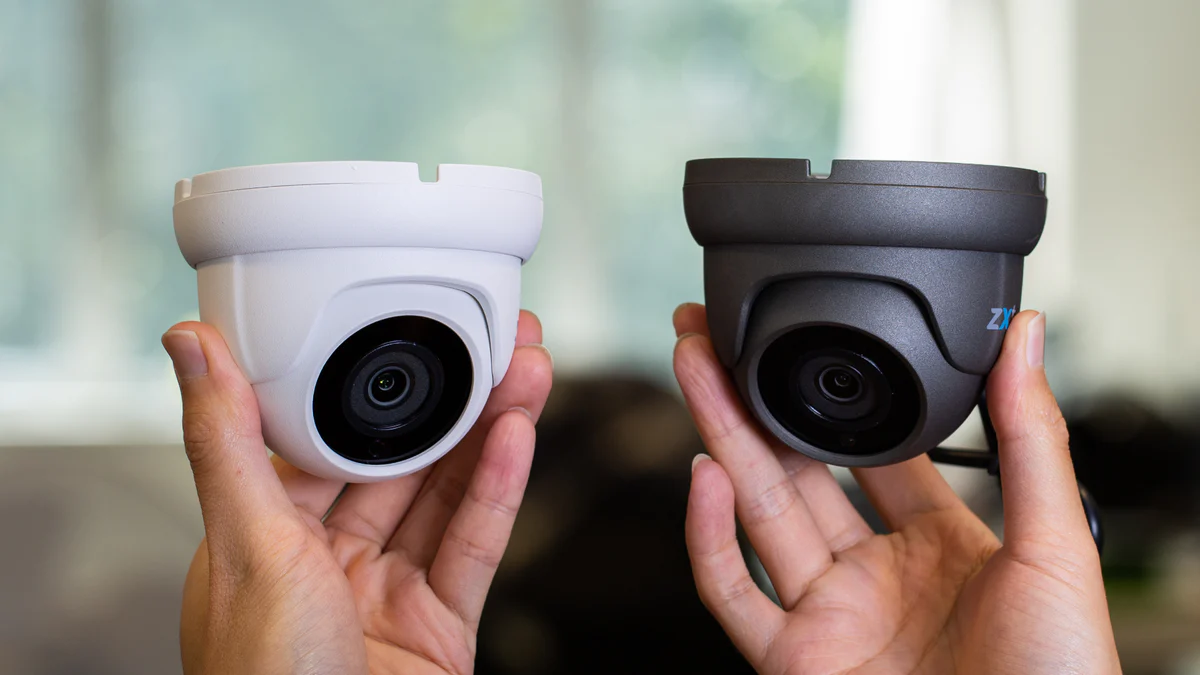
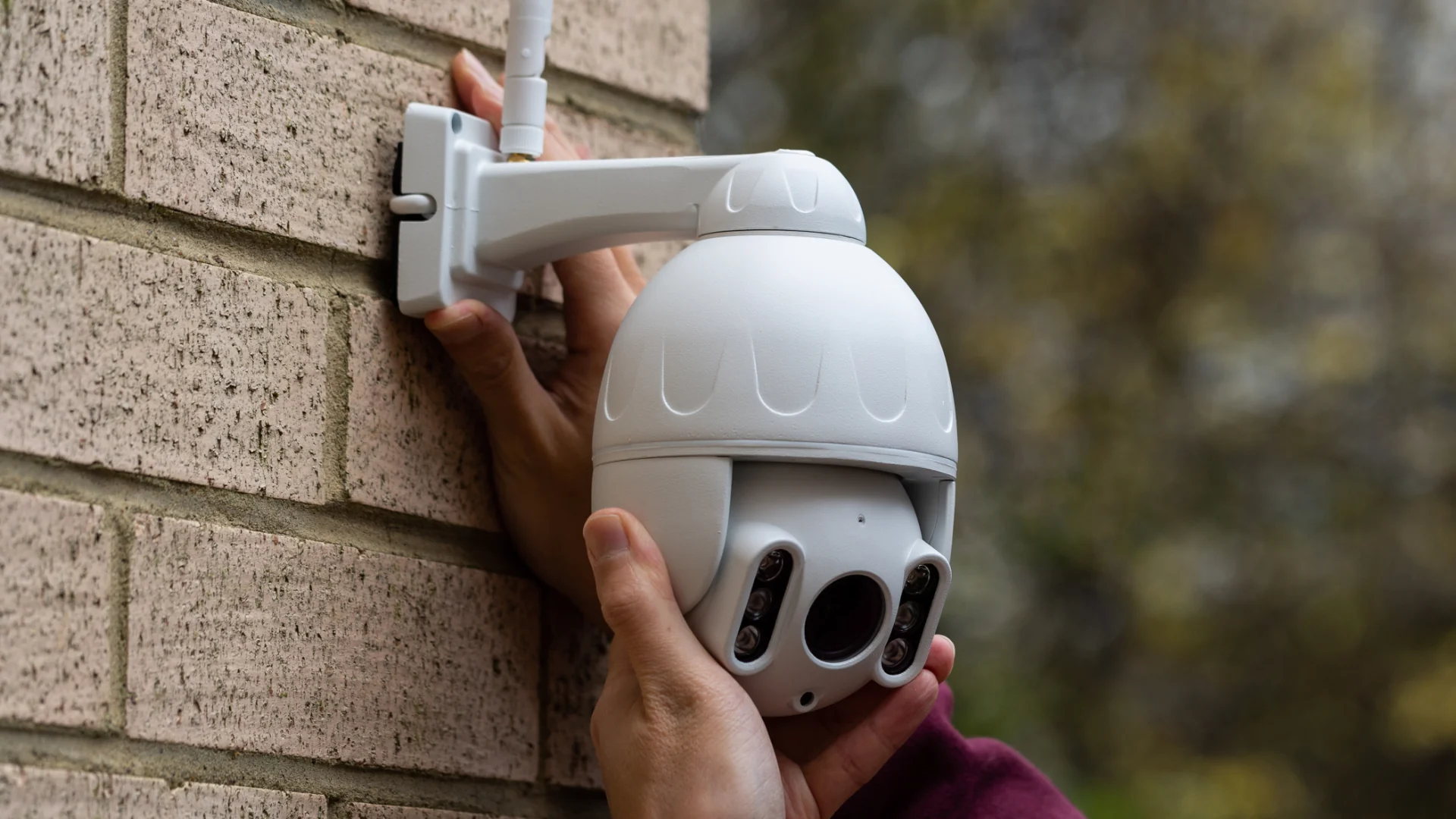
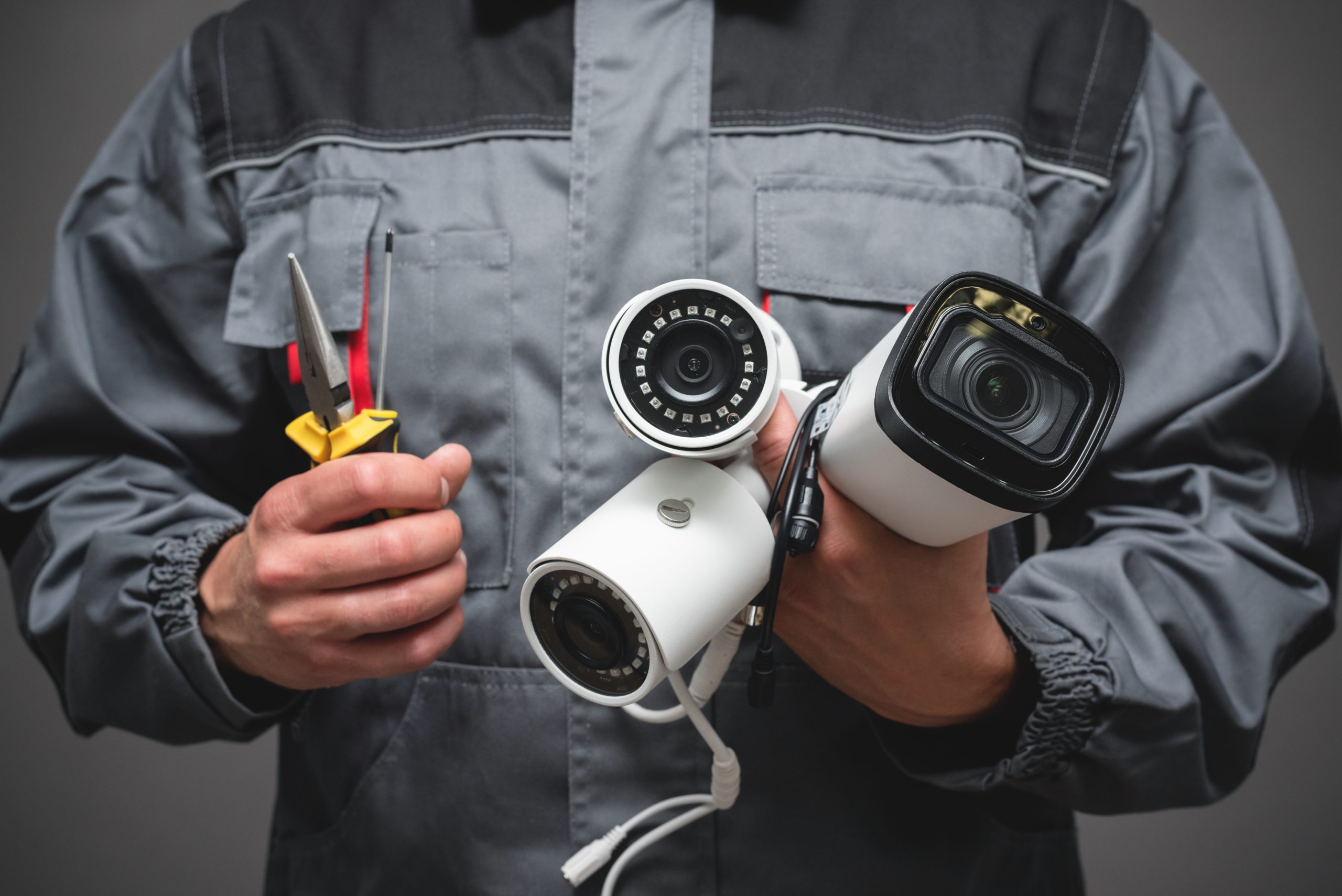
For general surveillance of large areas, PTZ (Pan-Tilt-Zoom) cameras offer advanced monitoring features, allowing you to move the camera remotely to cover various angles. Bullet cameras, with their long range, are ideal for outdoor monitoring, while dome cameras are more discreet and provide 360-degree coverage. If you need a simple, cost-effective solution for an indoor environment, wireless cameras may be the best option.
Additionally, IP cameras are ideal for those who need high-definition video and remote monitoring. These cameras are more sophisticated, offering smart connectivity features, including cloud storage, and providing better image quality. Your choice of camera will ultimately depend on factors such as location, coverage area, and the specific features you require, like night vision, motion detection, and remote accessibility.
The layout of your property plays a significant role in determining the most effective CCTV installation. Before installing any cameras, it’s important to assess the physical layout of the area you wish to monitor. Consider key points such as entry and exit points, blind spots, and areas with high foot traffic. This will help identify optimal camera placement to ensure full coverage without any gaps in security.
For example, if you have a large compound or business premises, you’ll want to strategically position cameras to cover both the perimeter and interior spaces. For residential properties, it's important to install cameras at all points of entry, including front and back doors, as well as driveways and garages. Identifying these high-priority zones will help maximize the effectiveness of your surveillance system.
Also, consider environmental factors such as lighting conditions, weather exposure, and potential obstacles that could interfere with camera visibility. For outdoor installations, ensure that the cameras are weatherproof and have infrared capabilities for night surveillance. By properly assessing the layout of your property, you can make informed decisions about camera positioning and ensure that every area you want to monitor is effectively covered.
When planning a CCTV installation, budget considerations are crucial. The cost of installing a CCTV system in Kenya can vary depending on the number and type of cameras you need, as well as the complexity of the installation process. It’s important to set a realistic budget that aligns with your security needs while ensuring the system provides value for money.
While it might be tempting to opt for the cheapest option available, investing in higher-quality cameras and professional installation can save you money in the long run. Poor-quality cameras may result in blurry footage or fail to provide coverage in key areas, ultimately compromising your security. On the other hand, professional installation ensures that your system is properly set up, reducing the chances of technical issues or faulty performance.
Consider the long-term costs as well, including maintenance, potential upgrades, and additional features like cloud storage or remote monitoring. When assessing the budget, factor in not only the initial costs but also the long-term benefits of a reliable and scalable CCTV system. Investing in a quality system that fits within your budget can provide both immediate security and peace of mind for years to come.
By considering these key factors, you can ensure that your CCTV installation in Kenya meets your security needs, fits your budget, and provides the most effective protection for your home or business. Planning carefully in advance will help you avoid unnecessary expenses while maximizing the efficiency of your surveillance system.
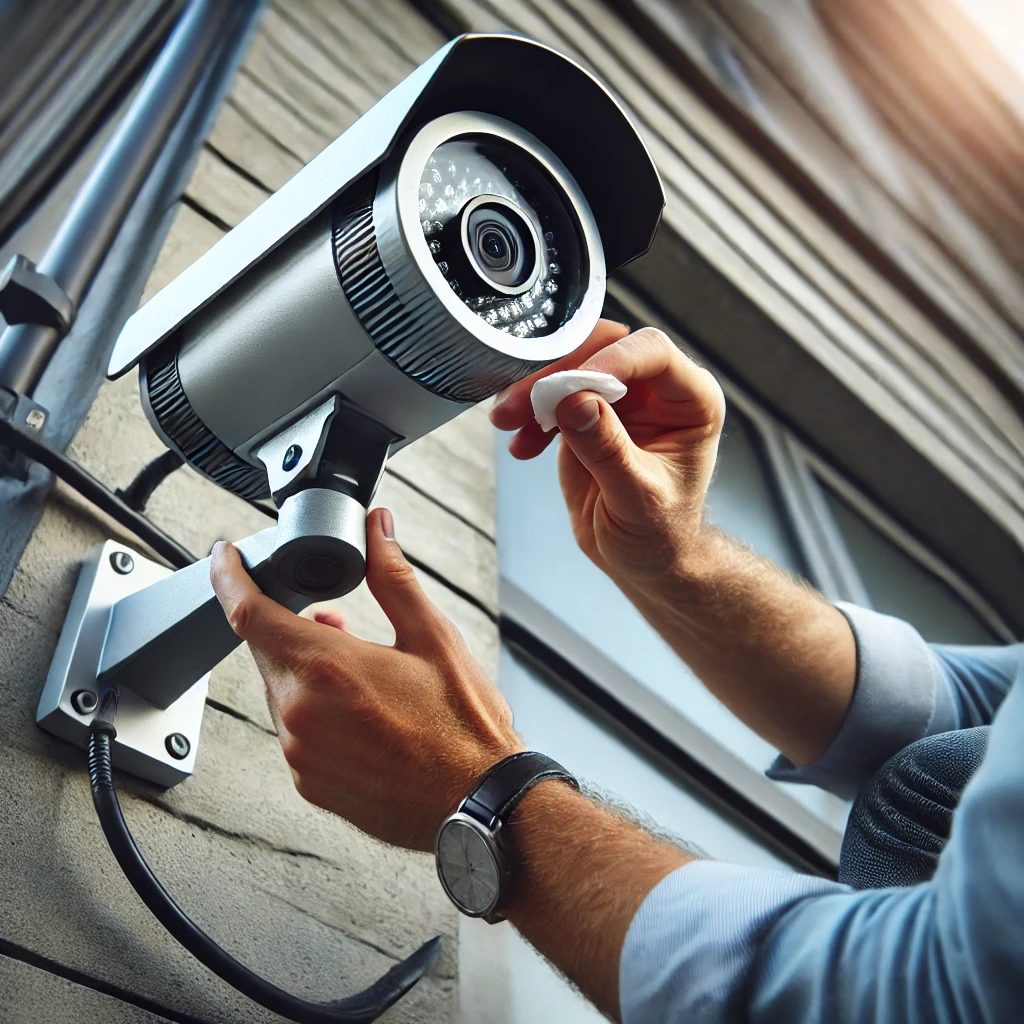
Once your CCTV system is installed, it's crucial to maintain its performance over time. Regular checks and troubleshooting ensure that the system continues to provide reliable surveillance, helping to keep your property secure. This section covers the importance of system checks, common issues you may face, and how to upgrade your system when necessary. Additionally, it highlights the importance of professional support services to keep everything running smoothly.
Regular system checks are vital for ensuring your CCTV cameras and associated equipment are functioning optimally. These checks help identify any potential problems before they become major issues, allowing you to address them proactively. Some of the key reasons for performing regular checks include:
By scheduling regular system checks, either monthly or quarterly, you can extend the lifespan of your CCTV system and ensure continuous protection.
Even the most reliable CCTV systems can encounter problems from time to time. Some common issues and their solutions include:
Regular troubleshooting can help resolve minor issues before they disrupt the security of your property.
As your security needs evolve, it may be necessary to upgrade your CCTV system to maintain optimal coverage. This can include:
Upgrading your system ensures that your CCTV infrastructure stays aligned with new technological advances and better meets your evolving security needs.
While regular maintenance and troubleshooting can be handled by property owners, there are times when professional support is required. Professional CCTV support services provide the expertise needed for complex repairs, upgrades, and installations. The benefits of professional support include:
When selecting a professional support service, choose a reputable company with experience in CCTV systems, a history of positive customer reviews, and the ability to provide timely support when needed.
Maintaining and supporting your CCTV system is just as important as the initial installation. Regular checks, troubleshooting common issues, timely upgrades, and professional support services ensure that your security infrastructure remains effective and reliable for years to come.

When choosing a CCTV installation company in Kenya, it’s essential to select one that not only provides high-quality products but also delivers reliable and efficient services. The right company will ensure that your system is installed correctly, operates efficiently, and remains maintained over time. This section discusses the key traits of a trusted CCTV installer, why Mwanga is the preferred installer in Kenya, and highlights customer reviews and success stories.
A trusted CCTV installer will possess several key traits that set them apart from others. These traits are vital to ensuring a smooth and successful installation of your security system:
Mwanga is widely recognized as the preferred CCTV installation company in Kenya for several reasons. They stand out due to their commitment to quality, customer satisfaction, and technical expertise:
Mwanga’s reputation in the CCTV installation industry is reflected in the numerous positive customer reviews and success stories shared by satisfied clients. Here are some examples:
Choosing a reliable CCTV installation company is crucial for securing your property. Mwanga stands out as the preferred choice in Kenya, offering expert services, high-quality equipment, and exceptional after-sales support. Their reputation is reinforced by glowing customer reviews, which reflect the company's dedication to providing top-notch security solutions for homes and businesses alike.

CCTV camera installation in Kenya is an essential step for ensuring the safety of homes, businesses, and other properties. Below are frequently asked questions regarding CCTV camera installation in Kenya, providing insights into the installation process, costs, and benefits. These answers will guide you in making informed decisions about your security needs.
The duration for CCTV camera installation in Kenya can vary depending on the complexity and scale of the system being installed. For a residential property, the installation process typically takes between 4 to 6 hours. However, larger commercial or industrial installations may require a full day or even a few days to complete. The timeline also depends on factors such as the number of cameras, the layout of the property, and the type of system being set up. It’s important to consult with a professional CCTV installation company in Kenya for an accurate estimate of the installation timeline.
While DIY CCTV camera installation in Kenya may seem like a cost-saving option, it’s not recommended for everyone. Installing a CCTV system requires a good understanding of wiring, camera placement, and system configuration. Incorrect installation can lead to poor performance, inadequate coverage, or even system failure. Hiring a professional for CCTV camera installation in Kenya ensures that your system is set up correctly, providing optimal security coverage and functionality. Professionals also handle the necessary legal requirements for surveillance equipment, which might be overlooked in a DIY setup.
The cost of CCTV camera installation in Kenya depends on several factors, including the number of cameras, the type of system, and the property’s layout. On average, the cost for a basic home CCTV system can range between KES 25,000 to KES 70,000, while larger commercial systems may cost from KES 100,000 to KES 300,000 or more. Additional costs such as maintenance, surveillance storage options, and monitoring services may also apply. It’s advisable to obtain quotes from reputable CCTV installation companies in Kenya to get an accurate cost estimate based on your specific needs.
In Kenya, whether you need an internet connection for CCTV camera installation depends on the type of system you choose. Traditional CCTV systems may operate without the need for an internet connection, relying on local storage such as DVRs or NVRs. However, modern IP-based CCTV systems often require an internet connection for remote monitoring, cloud storage, and integration with smart devices. If you wish to access your security footage remotely or use advanced features, such as motion detection alerts, an internet connection is necessary for CCTV camera installation in Kenya.
To ensure that your CCTV system continues to function properly, regular servicing is necessary. CCTV camera installation in Kenya should be followed by periodic checks to clean the cameras, inspect the cables, and ensure that the system is recording and streaming footage as expected. It’s recommended to perform maintenance checks every 6 to 12 months. Additionally, if your system shows any signs of malfunction, such as blurry footage or connectivity issues, servicing should be done immediately to avoid gaps in security coverage.
Yes, you can upgrade your CCTV system after installation in Kenya. Over time, as security needs change or technology advances, it may be beneficial to enhance your existing system. Upgrades could include adding more cameras, improving camera resolution, switching to higher-quality storage solutions, or integrating smart technology like motion detectors and remote access features. Consult with your CCTV installation company in Kenya to determine the best options for upgrading your system based on your current setup and evolving security requirements.
Some common challenges during CCTV camera installation in Kenya include poor camera placement, connectivity issues, power surges, and the need for specialized wiring in difficult-to-reach areas. For example, when installing cameras outdoors, ensuring they are weather-resistant and have adequate power supply is essential. Additionally, interference from local networks or structures may hinder camera signals. Hiring a professional CCTV installation company in Kenya helps mitigate these issues, ensuring a smooth installation process and minimizing potential problems.
The lifespan of CCTV cameras installed in Kenya depends on the quality of the cameras, the installation environment, and the level of maintenance they receive. On average, CCTV cameras can last anywhere from 5 to 10 years. Outdoor cameras may require more frequent maintenance and are subject to wear and tear due to weather conditions. By scheduling regular servicing and using quality cameras, you can extend the life of your CCTV system and ensure that it continues to provide reliable security for your property in Kenya.
Hello! How can we help you today?
Start Chat