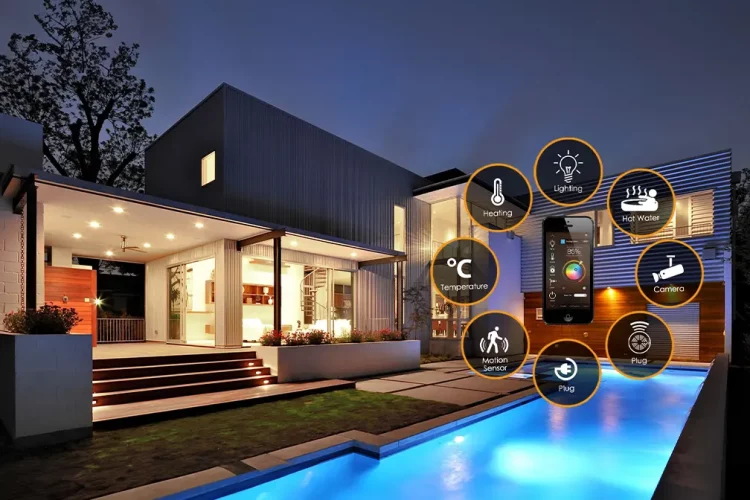
Smart Homes – Revolutionizing Living Spaces with Advanced Technology
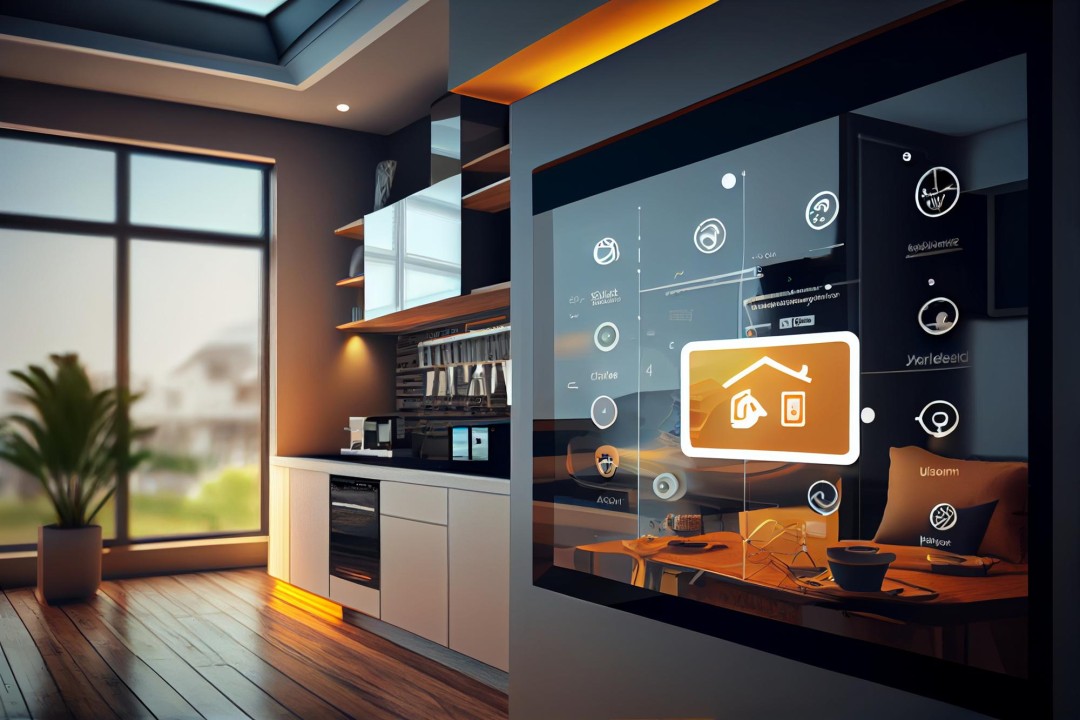
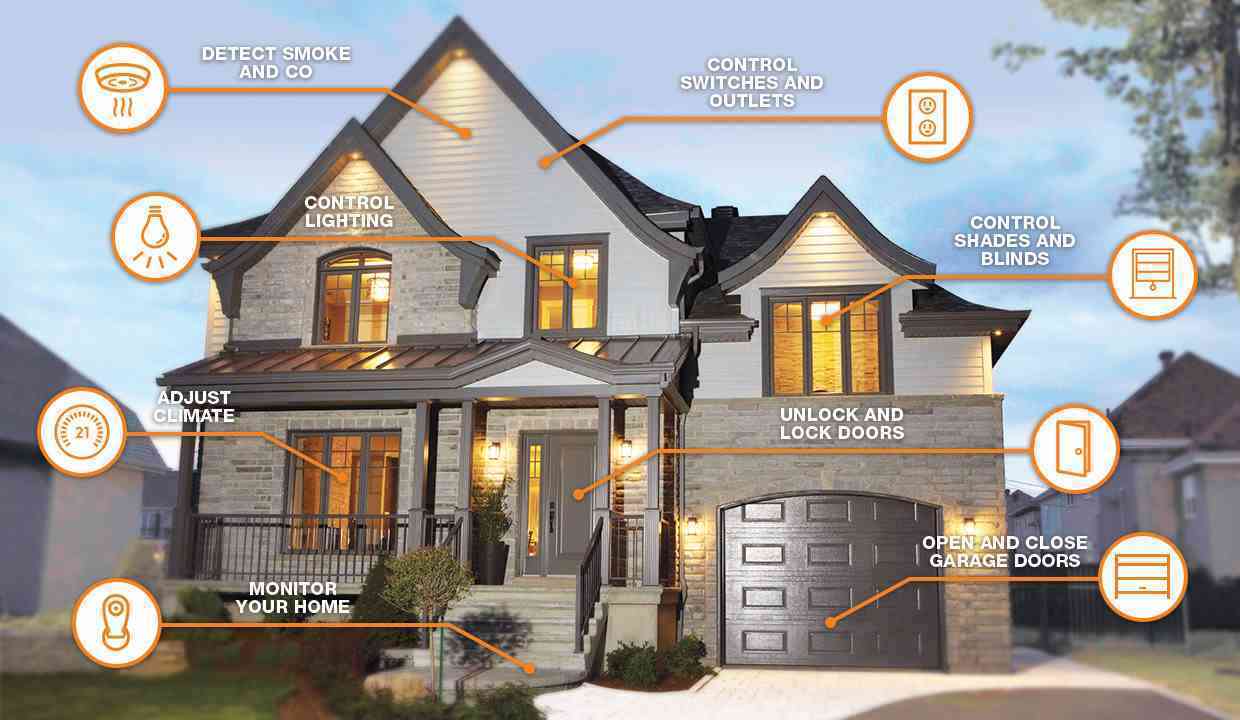
Smart homes represent the future of living, where advanced technology integrates seamlessly with everyday household functions. A "smart" home uses internet-connected devices that allow residents to control and monitor various systems, such as lighting, security, and climate, from anywhere. This innovation transforms how people live, providing convenience, energy efficiency, and enhanced security.
In Kenya, smart homes are rapidly gaining popularity due to the growing desire for modern living solutions. As technology becomes more affordable and accessible, homeowners are looking for ways to make their lives easier and more efficient. The convenience of remotely managing home functions, along with the promise of improved safety and energy savings, makes smart homes an attractive option for many.
This guide will explore the numerous benefits of smart homes, from automation to enhanced security features. We'll also cover key elements to consider when setting up a smart home, such as the devices and technologies to choose. Additionally, we'll dive into the costs involved, giving you a comprehensive view of what it takes to bring a smart home to life in Kenya.
Benefits of Smart Homes
Smart homes offer a wide range of benefits that not only improve the quality of life but also add long-term value to your property. Here’s a detailed breakdown of some of the key advantages of owning a smart home:
Convenience and Control: Managing Your Home Remotely
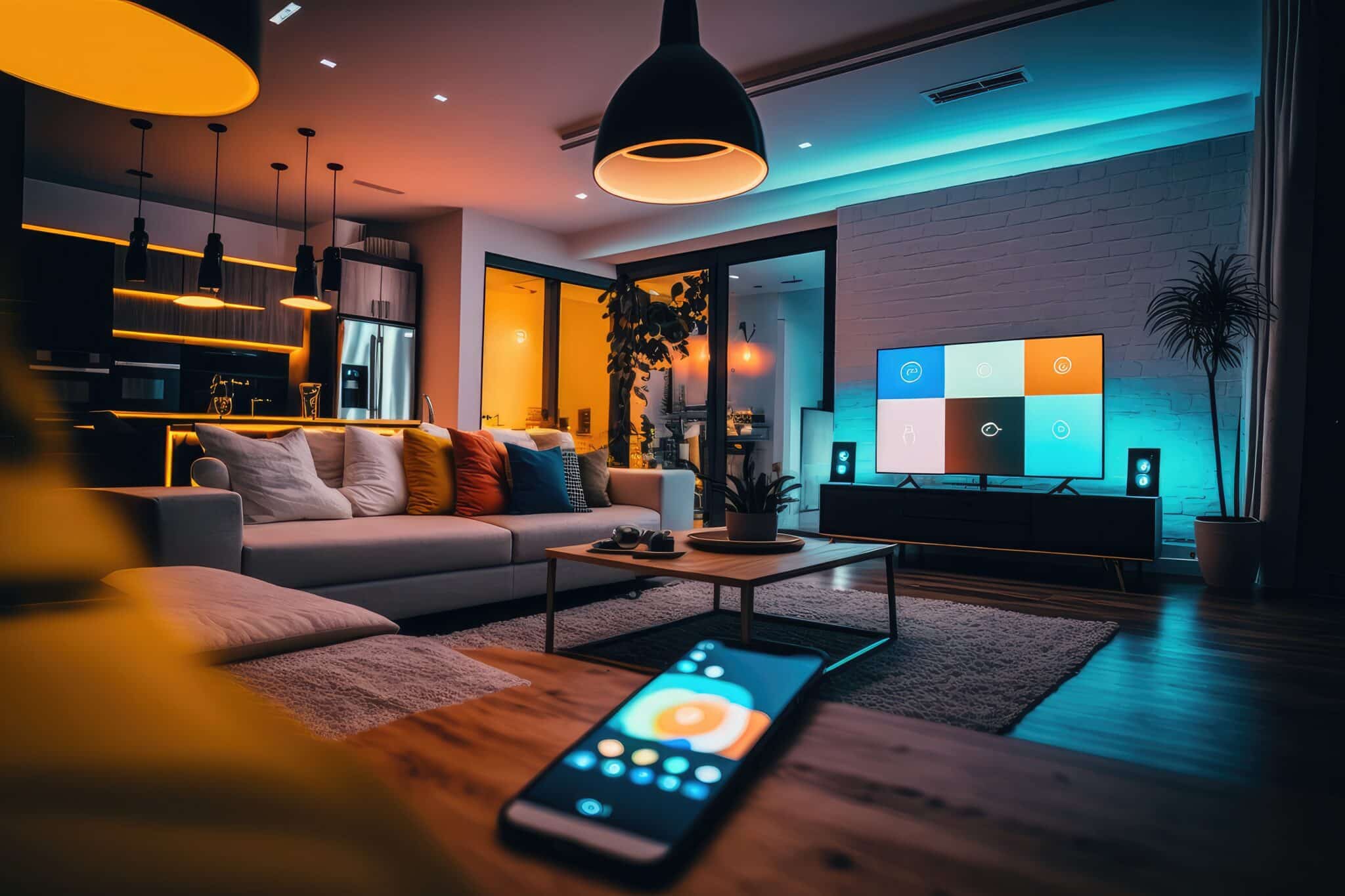
One of the primary advantages of a smart home is the ability to control and monitor your home from anywhere. Whether you’re at work, on vacation, or simply in another room, you can easily manage various aspects of your home through a smartphone app or voice-controlled device like Amazon Alexa or Google Assistant.
Control lights, appliances, and devices remotely
Set schedules for heating, cooling, and lighting
Receive notifications about activity in your home This convenience adds comfort and peace of mind, allowing you to adjust your home environment as needed, without being physically present.
Enhanced Security with Smart Surveillance and Sensors
Smart homes provide heightened security, thanks to intelligent surveillance systems and advanced sensors that offer 24/7 monitoring.
Smart cameras and doorbell cameras give you live video feeds of your front door, with motion detection alerts and two-way audio for communication.
Smart locks allow you to remotely lock or unlock doors, preventing unauthorized access.
Window and door sensors trigger alarms or notifications when unexpected movement is detected, helping to prevent break-ins. These systems make it easier to protect your family, property, and possessions, while providing peace of mind whether you're home or away.
Energy Efficiency: Reducing Utility Bills Through Automation
Smart homes significantly contribute to energy savings, which can result in lower utility bills. By using intelligent devices, you can automate and optimize energy consumption throughout your home.
Smart thermostats adjust heating and cooling based on your preferences and schedule, ensuring energy is not wasted when you're not home.
Automated lighting systems turn off lights in unoccupied rooms, reducing unnecessary electricity usage.
Energy-efficient appliances, such as smart refrigerators and washing machines, operate more efficiently and only when needed. These energy-saving features help reduce your environmental footprint and lead to substantial savings over time.
Increased Property Value and Market Appeal
Investing in a smart home can increase the value of your property. Homebuyers are increasingly looking for homes equipped with the latest smart technology, which can provide a competitive edge in the market.
Smart home features such as automated lighting, security systems, and energy-saving technologies can attract potential buyers who value modern, tech-savvy living.
Homes with smart devices are often seen as more desirable, offering convenience, enhanced security, and energy efficiency. As a result, smart homes are more likely to sell at a higher price and attract quicker offers, making them a worthwhile investment for homeowners.
Comfort and Customization: Tailoring Your Home to Your Preferences
A smart home allows you to tailor your living environment to suit your specific needs and preferences, enhancing your comfort and lifestyle.
Smart lighting systems can be adjusted to create the perfect ambiance for different times of the day or occasions.
Automated temperature control systems ensure your home is always at the ideal temperature, creating a comfortable space to relax in.
Voice-activated assistants can play music, control home entertainment systems, and even provide news or weather updates, all without lifting a finger. This level of personalization ensures that your home is not only functional but also perfectly attuned to your comfort and convenience.
Incorporating these smart home features helps create a modern, efficient, and secure living space that provides both practical benefits and a higher quality of life.
Key Features of a Smart Home
A smart home is equipped with various advanced technologies that automate everyday tasks and enhance the home’s functionality. Below are some of the key features that make smart homes so desirable:
Smart Lighting Systems: Automated Control and Energy Savings
Smart lighting systems are one of the most popular features of a smart home, offering a wide range of benefits that improve both convenience and energy efficiency. These systems allow you to control the lighting in your home remotely and automate it based on your needs and preferences. Here’s how they work and the advantages they offer:
Remote Control: With smart lighting, you can control the lights from your smartphone, tablet, or smart assistant (like Alexa or Google Assistant). This means you can turn the lights on or off from anywhere, even if you’re not at home. For example, you can turn off the lights when you forget, or turn them on before you arrive, so you’re never walking into a dark house.
Automation and Scheduling: Smart lighting systems can be set on timers or schedules. For instance, you can program the lights to turn on at sunset or turn off after a certain time at night. This helps you maintain a routine and ensures energy is not wasted when it's not needed.
Energy Savings: One of the significant benefits of smart lighting is its energy efficiency. LED smart bulbs use less energy compared to traditional bulbs, and automated control ensures they are not left on when unnecessary. Motion-sensing lights can detect when a room is unoccupied and automatically turn off, preventing wasted electricity. Over time, this leads to lower electricity bills and a reduced carbon footprint.
Customizable Ambiance: Many smart lighting systems allow you to adjust the brightness and color temperature of the bulbs, creating the perfect ambiance for any occasion. Whether you want bright lighting to focus on tasks or a dim, warm light to relax, smart lighting makes it easy to set the ideal atmosphere in each room.
Voice Control Integration: Integration with virtual assistants like Amazon Alexa, Google Assistant, or Apple HomeKit allows you to control your lighting with simple voice commands. For example, you can say, "Alexa, turn off the kitchen lights," or "Hey Google, dim the living room lights," for hands-free control.
By incorporating smart lighting systems into your home, you enhance not only the convenience and functionality of your space but also contribute to long-term energy savings and sustainability.
Smart Security Systems: CCTV, Alarms, and Smart Locks
Smart security systems are an essential feature of any modern smart home, providing enhanced protection and peace of mind for homeowners. These systems integrate technology to monitor, secure, and protect your property remotely, giving you greater control over your home’s safety. Here's a breakdown of how smart security systems work and their key features:
CCTV Surveillance: Smart security systems often include high-definition CCTV cameras that provide real-time video feeds of your property. These cameras can be monitored remotely through your smartphone or a computer, allowing you to check on your home anytime, from anywhere.
Motion Detection: Many cameras come with built-in motion sensors that trigger recording when movement is detected. This helps capture important events and ensures you’re notified of any unusual activity.
Night Vision: Modern smart cameras often come equipped with night vision, allowing them to record clear footage even in low light or complete darkness.
Cloud Storage: Video footage can be stored in the cloud for easy access, and you can review past recordings whenever necessary, ensuring you have documentation of security events.
Smart Alarms and Sensors: Smart alarms offer an added layer of security, connecting directly to your mobile device and alerting you instantly in case of suspicious activity. These alarms can be linked to motion sensors, window, and door sensors to detect unauthorized entry.
Instant Alerts: When a sensor detects movement or a door/window is opened, an immediate alert is sent to your phone, allowing you to take action right away.
Customizable Settings: You can customize when and how the alarms trigger—for example, setting them to be active only during certain hours, such as when you’re away at work or asleep.
Emergency Response Integration: Some smart alarm systems can be connected to emergency response services, such as the police or a private security company, ensuring a swift response in case of a security breach.
Smart Locks: Smart locks replace traditional locks and provide advanced features that enhance convenience and security. These locks allow homeowners to lock and unlock doors remotely, ensuring that your home is secure at all times.
Remote Access: You can lock or unlock your doors from anywhere using your smartphone, which is particularly useful if you need to let someone into your home when you’re not around.
Keyless Entry: Many smart locks use keyless entry methods such as PIN codes, fingerprints, or Bluetooth connectivity, eliminating the need for physical keys and enhancing security.
Temporary Access: Smart locks allow you to provide temporary access to guests, maintenance workers, or service providers. You can send a virtual key that expires after a certain period, giving you control over who has access to your home and when.
Automatic Locking: Some systems have an auto-lock feature that ensures your doors are locked automatically when you leave, so you don’t have to worry about forgetting to lock them.
Together, these smart security features create a robust and comprehensive system for protecting your home. From surveillance cameras that keep an eye on your property to smart locks that ensure secure access, these systems offer convenience, safety, and peace of mind. By investing in a smart security system, you can rest assured that your home is well-protected, even when you're away.
Smart Climate Control: Thermostats and HVAC Systems
Smart climate control systems, which include smart thermostats and integrated HVAC systems, are essential for maintaining a comfortable, energy-efficient home. These systems allow homeowners to manage their home’s temperature easily, ensuring optimal comfort while reducing energy consumption. Here’s how smart climate control systems work and their benefits:
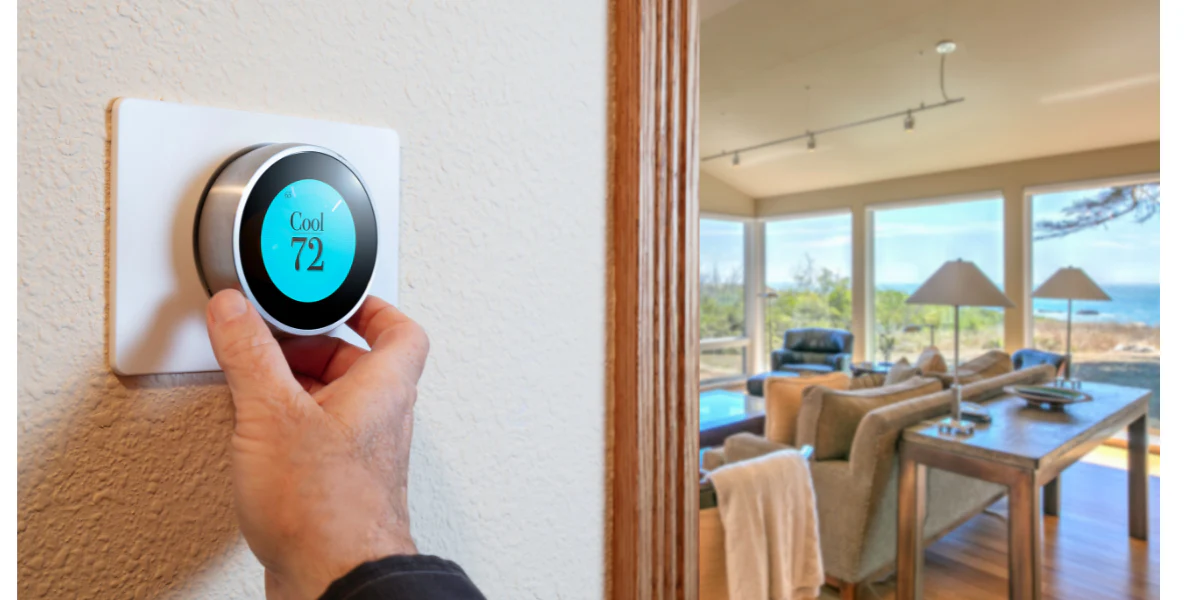
Smart Thermostats: A smart thermostat is a key component in controlling the temperature of your home. These devices learn your preferences over time and adjust the temperature automatically based on your habits and schedule.
Learning Capability: Smart thermostats use machine learning to understand when you're home, awake, or away. For example, they can lower the temperature when you’re not at home to save energy, and then raise it back to your preferred level just before you return.
Remote Control: You can control the temperature remotely through an app on your smartphone, which allows you to adjust your home’s climate from anywhere—whether you’re at work or on vacation. This feature ensures your home is always at the ideal temperature when you arrive, without wasting energy while you’re away.
Voice Activation: Many smart thermostats integrate with voice assistants like Alexa, Google Assistant, or Siri, allowing you to control the temperature with simple voice commands. For example, you can say, “Alexa, set the thermostat to 72°F,” without needing to touch the device.
HVAC System Integration: Smart climate control isn’t just limited to thermostats; many modern HVAC (heating, ventilation, and air conditioning) systems can also be integrated with smart technology for enhanced control and efficiency.
Zoning: Some smart HVAC systems allow for zoning, which means different areas of your home can be heated or cooled independently. For example, you can keep the living room warm while keeping the bedrooms cooler, depending on where you spend the most time. This not only improves comfort but also saves energy by heating or cooling only the rooms that are in use.
Air Quality Control: Advanced HVAC systems can also monitor and improve air quality by integrating with smart air purifiers, humidity control systems, and ventilation systems. This helps maintain a healthy indoor environment by ensuring proper airflow and reducing pollutants or allergens in the air.
Maintenance Alerts: Smart HVAC systems often come with sensors that monitor the performance of the system, alerting you when maintenance is required—such as when the air filter needs to be changed or if there’s a malfunction. This ensures your system runs efficiently and avoids unexpected breakdowns.
Energy Efficiency: One of the main benefits of smart climate control is energy efficiency. Smart thermostats and HVAC systems are designed to optimize energy use by adjusting settings based on your habits and external conditions.
Adaptive Scheduling: Smart systems adjust based on the time of day and the weather outside, ensuring your home isn’t heated or cooled when it’s unnecessary. For example, if the weather is mild outside, the system may reduce heating or cooling, helping to save energy.
Energy Reports: Some smart thermostats provide energy usage reports that help you track how much energy you're consuming and where savings can be made. These insights can help you make adjustments to your usage and reduce your utility bills.
Incorporating smart climate control into your home ensures consistent comfort while maintaining an energy-efficient, environmentally friendly living space. Whether it’s through a smart thermostat that adapts to your routine or a fully integrated HVAC system that provides temperature zoning and air quality control, smart climate systems make it easy to create a perfect living environment tailored to your needs.
Smart Entertainment: Audio and Video Systems
Smart entertainment systems, encompassing both audio and video components, are transforming how we experience entertainment in our homes. These systems integrate technology to enhance convenience, performance, and accessibility, providing an immersive and customizable media experience. Here’s how smart entertainment systems work and the key features that make them stand out:
Smart Audio Systems: Smart audio systems allow you to enjoy music, podcasts, and other audio content throughout your home with enhanced sound quality and flexibility.
Multi-Room Audio: One of the main features of smart audio systems is multi-room audio. With this feature, you can play the same music throughout the entire home or have different audio tracks playing in different rooms. This is perfect for entertaining guests or enjoying personalized audio in every space.
Voice Control: Many smart audio systems integrate with voice assistants like Amazon Alexa, Google Assistant, or Apple Siri. This enables you to control music playback, adjust volume, and switch between playlists using just your voice. For example, you can simply say, "Alexa, play jazz in the living room," and the system will start the music in that room.
Streaming Services Integration: Smart audio systems can connect to popular streaming services like Spotify, Apple Music, and YouTube Music, giving you instant access to millions of songs and playlists directly through the system. This makes it easy to control your entertainment experience without needing to switch between devices or apps.
Smart Video Systems: Smart video systems include everything from smart TVs to home theater setups, all designed to offer superior image quality and ease of use.
Streaming and On-Demand Content: Smart TVs and video systems are typically equipped with built-in apps that give you access to streaming platforms such as Netflix, Amazon Prime Video, and YouTube. This eliminates the need for extra devices like streaming boxes, simplifying the viewing experience.
Voice-Controlled TV: Much like audio systems, smart TVs can be controlled with voice commands. You can change channels, adjust volume, or search for specific content hands-free using voice assistants. For example, you can ask, "Hey Google, play the latest episode of my favorite show," and the system will automatically start the video.
High-Definition and 4K Streaming: Modern smart video systems support high-definition (HD) and even 4K resolution, ensuring that you enjoy crystal-clear picture quality for movies, shows, and sports. Smart TVs are often equipped with advanced picture settings, allowing you to adjust the brightness, contrast, and color for a more personalized viewing experience.
Integrated Audio Systems: Many smart video systems can be integrated with smart audio systems, creating a complete entertainment experience with synchronized high-quality sound and picture. For example, a smart TV can work seamlessly with a soundbar or smart speaker system for surround sound audio, enhancing your viewing experience.
Home Theater Integration: For those who want to take their entertainment experience to the next level, smart home theater systems combine smart video and audio technologies for an immersive viewing experience.
Surround Sound and Immersive Audio: These systems provide high-quality surround sound, with speakers placed strategically around the room for a cinematic experience. Smart integration with audio systems ensures that the sound is in sync with the video, creating an all-encompassing atmosphere.
Projector Systems: Smart projectors are becoming more popular for creating home theater experiences. These projectors can be controlled via smartphone or voice assistant and support streaming from a variety of platforms. The large screen experience combined with high-quality sound makes it feel like a movie theater in your own home.
Customization and Personalization: Smart entertainment systems allow for a high degree of customization, enabling you to create the ideal audio-visual setup for your space.
Automated Settings: Many smart systems allow you to preset certain configurations for different occasions, such as "Movie Night" or "Party Mode." With a single command, the system adjusts the audio, video, and lighting settings to suit the activity.
Integration with Other Smart Devices: A smart entertainment system can work in conjunction with other smart home devices. For example, you can dim the lights, close the curtains, and set the thermostat to the perfect temperature for watching a movie, all from one app or voice command.
Smart entertainment systems are a game-changer for home entertainment, providing convenience, high-quality media, and seamless integration with other smart home devices. Whether you’re enjoying a solo movie night, hosting a party, or relaxing with music, these systems ensure an immersive and fully customizable experience.
Kitchen and Appliance Automation: Making Everyday Tasks Easier
Kitchen and appliance automation is one of the most practical and time-saving features of a smart home. With the integration of smart devices, homeowners can automate daily tasks, enhance the functionality of their appliances, and improve the overall efficiency of their kitchen. Here’s a look at how smart kitchen and appliance systems work and the benefits they offer:
Smart Cooking Appliances: Smart cooking devices bring convenience and precision to meal preparation. These include smart ovens, refrigerators, and slow cookers, all designed to make cooking easier and more efficient.
Smart Ovens: A smart oven can be controlled remotely via an app, allowing you to preheat it while you’re on your way home or even adjust the temperature while cooking. Some models come with preset cooking modes and recipe suggestions, making it easier to cook meals to perfection.
Smart Refrigerators: Modern smart refrigerators come with a range of advanced features, such as touch screens, inventory tracking, and remote monitoring. They can alert you when food is running low, help you create shopping lists, or even suggest recipes based on the ingredients you have inside. Some smart fridges also have cameras that let you view the contents remotely, ensuring you never forget what you need when you’re out shopping.
Smart Coffee Makers and Kitchen Appliances: From smart coffee makers that brew your coffee at the perfect time to smart blenders and toasters, many kitchen appliances can be controlled and customized through smartphone apps. You can schedule your coffee to brew before you wake up, or make sure your bread is toasted just right while preparing other meals.
Automated Dishwashers and Laundry Machines: Smart dishwashers and laundry machines allow homeowners to manage cleaning tasks with greater efficiency. These devices come equipped with features that improve cleaning performance and reduce energy consumption.
Smart Dishwashers: Many smart dishwashers can be programmed remotely, so you can start the washing cycle when you're away from home. Some models also offer cycle optimization, adjusting the wash settings based on the load, dirtiness, or energy efficiency needs. Additionally, they may notify you when the detergent needs to be replenished or when a maintenance issue arises.
Smart Washing Machines: Smart washing machines and dryers offer advanced features such as remote start, cycle customization, and energy monitoring. You can choose from a variety of wash programs and even track energy usage, ensuring that your laundry is done efficiently. Some models can even detect the fabric type and adjust the settings automatically, reducing wear and tear on your clothes.
Smart Lighting and Smart Faucets in the Kitchen: Smart kitchen lighting and faucets add to the overall convenience of kitchen automation. These systems ensure that your kitchen environment is optimized for both functionality and comfort.
Smart Lighting: With smart lighting, you can adjust the brightness and color of your kitchen lights based on your activities, whether you’re cooking, dining, or entertaining. You can also set schedules for when lights should turn on or off, saving energy and providing added convenience. Some smart lighting systems can even be controlled by motion sensors, turning on when you enter the room.
Smart Faucets: Smart faucets allow for hands-free operation, making it easy to control the flow of water when you have messy hands or are multitasking. They can be activated by voice commands or motion sensors, allowing you to start and stop the water with a simple gesture. Some models also allow you to set precise water temperatures, ensuring that you get the right temperature every time.
Voice Control and Automation in the Kitchen: Voice assistants like Amazon Alexa, Google Assistant, or Apple Siri can help you control your kitchen appliances hands-free, making multitasking easier while cooking or cleaning.
Recipe Assistance: With voice assistants, you can follow recipes step-by-step, getting reminders or instructions without having to touch your device. Simply ask, “What’s the next step?” or “How much of this ingredient should I add?” while your hands are busy.
Task Automation: You can automate repetitive kitchen tasks, like setting timers, controlling the oven temperature, or adjusting the lighting, all through voice commands. For example, you can say, "Alexa, set the oven to 350°F," or "Hey Google, start the dishwasher," without having to stop what you're doing.
Energy Management and Efficiency: Smart kitchen appliances also play a major role in managing energy consumption, helping you lower utility bills and reduce your carbon footprint.
Energy Monitoring: Many smart appliances come with built-in energy monitoring, allowing you to track and optimize energy usage. You can monitor how much energy your oven or dishwasher is consuming and adjust settings for more efficient operation.
Eco-Friendly Features: Certain smart appliances are designed to be eco-friendly, using less water, electricity, and detergent compared to traditional models. For example, a smart dishwasher may use sensors to determine the optimal wash cycle, ensuring that it uses just the right amount of water and energy.
Smart kitchen and appliance automation is revolutionizing the way we approach everyday tasks, offering increased convenience, time savings, and efficiency. By integrating intelligent devices into your kitchen, you can automate tasks, enhance the functionality of your appliances, and create a more enjoyable and manageable cooking experience. Whether it's automating the cooking process, monitoring energy use, or streamlining cleaning tasks, these innovations make home life easier and more efficient.
Integration with Virtual Assistants: Alexa, Google Assistant, and More
One of the most seamless and user-friendly features of smart homes is the integration with virtual assistants like Amazon Alexa, Google Assistant, and Apple Siri. These intelligent assistants allow homeowners to control and manage various smart devices and systems within the home using voice commands, creating a more efficient, hands-free, and customizable living environment. Here's how integrating virtual assistants enhances a smart home:
Voice Control of Smart Devices: With virtual assistants, you can control smart home devices simply by speaking. Whether you want to adjust the thermostat, turn on lights, lock the doors, or start your coffee maker, all it takes is a command like, "Alexa, dim the lights," or "Hey Google, set the thermostat to 22°C." Voice control makes it easy to interact with your home, especially when you're busy cooking, cleaning, or even lying in bed.
Smart Home Automation and Routines: Virtual assistants enable you to create routines and automate tasks based on your preferences. For instance, you can set up a morning routine that gradually turns on the lights, starts the coffee machine, and adjusts the thermostat as soon as you wake up. With just one command or at a set time, you can initiate multiple actions throughout your home, providing greater convenience and efficiency.
Example: "Alexa, good night," could turn off lights, lock doors, and set the security alarm all at once, creating a secure and comfortable environment when you go to bed.
Cross-Platform Compatibility: One of the biggest advantages of virtual assistants is their ability to integrate with a wide range of third-party smart devices, making them highly versatile and compatible with different brands and platforms. Whether you have smart lights from Philips Hue, security cameras from Ring, or thermostats from Nest, virtual assistants can control and manage them all, offering you a unified experience across devices.
Example: You can control devices across multiple platforms, such as adjusting your home’s lighting with Alexa, managing security cameras with Google Assistant, and controlling your music with Siri, all within the same voice interface.
Hands-Free Operations: Virtual assistants help eliminate the need to physically interact with devices, providing a more convenient and efficient way to perform everyday tasks. This is especially useful in situations where your hands are full, like when you’re cooking or carrying groceries. With voice commands, you can get information, control devices, or even ask for reminders without ever touching your phone or another device.
Example: While cooking, you can say, “Alexa, set a timer for 20 minutes,” and the timer will be set without interrupting your task.
Smart Entertainment Control: Virtual assistants integrate with entertainment systems, enabling voice control over audio and video devices. You can ask your assistant to play specific music, movies, or podcasts, adjust the volume, or switch between entertainment platforms. This feature is especially valuable in living rooms, where controlling entertainment systems with a remote can be cumbersome.
Example: “Hey Google, play the latest episode of my favorite podcast” or “Siri, turn on Netflix,” provides hands-free control, elevating your home entertainment experience.
Remote Access and Control: In addition to voice commands, virtual assistants enable remote control of your smart home through apps on your smartphone. This allows you to monitor and control your devices from anywhere in the world. Whether you're at work, on vacation, or running errands, you can ensure that your home is secure, energy-efficient, and comfortable by controlling lights, locks, thermostats, and more.
Example: If you forgot to turn off the lights before leaving home, you can simply ask Google Assistant via your phone to do it remotely.
Smart Assistant-Enabled Devices: Many smart devices now come with built-in virtual assistant support. For example, smart speakers (like Amazon Echo and Google Nest) have Alexa and Google Assistant integrated into the hardware, allowing users to interact with their devices directly. Additionally, appliances such as smart refrigerators, ovens, and even washers and dryers can integrate with these assistants, enabling voice control and advanced features.
Customizable Voice Commands and Skills: You can personalize your virtual assistant by adding custom commands or "skills" that tailor the assistant’s capabilities to your specific needs. For instance, you could set up a “Good morning” routine that turns on the lights, opens the blinds, starts the coffee machine, and gives you the news, weather, and traffic updates for the day.
Example: Through voice skills, Alexa or Google Assistant can give you tailored responses based on your habits, preferences, and daily routines, making the assistant smarter and more responsive to your needs.
Privacy and Security: Though privacy concerns may arise with voice-activated devices, virtual assistants come equipped with features to enhance security and protect personal data. You can set voice recognition for certain actions, making sure that only authorized users can control specific features of your smart home. Additionally, many virtual assistants offer robust security features like two-factor authentication to protect access to sensitive home systems.
Incorporating virtual assistants into a smart home system not only provides greater convenience but also enhances overall control, flexibility, and personalization. Whether you're managing home security, controlling lighting, or playing music, virtual assistants make interacting with your home effortless and efficient, creating a truly connected living experience.
Setting Up a Smart Home
Planning Your Smart Home: Identifying Needs and Priorities
Before diving into the world of smart home devices, it’s essential to plan out what your needs and priorities are. A well-thought-out plan ensures that you only purchase devices that will truly enhance your home’s functionality and not overwhelm you with unnecessary features.
Assess Your Lifestyle: Consider how you live and the specific challenges you want to address. For instance, if security is a top priority, you might focus on smart surveillance and alarm systems. If convenience is key, automation of everyday tasks like lighting and climate control might be your focus.
Budgeting: Setting a realistic budget for the entire smart home project is crucial. Prices for smart devices vary widely, and you want to prioritize your spending. Start with a few key devices and gradually build up your system over time.
Home Layout: Take into account the layout and size of your home. Larger homes may need additional devices like range extenders or hubs to ensure coverage, while smaller spaces may be adequately served by a single central hub.
Long-Term Planning: Think about future needs as well. You may not need everything right now, but a smart home should be scalable to adapt to your evolving lifestyle.
Choosing the Right Smart Devices and Platforms
Once you have a plan in place, the next step is selecting the right devices and platforms that best meet your home automation needs.
Types of Devices:
Smart lighting: These include bulbs, light switches, and dimmers that allow for remote control, automation, and even mood-setting.
Smart locks: Keyless entry solutions that enhance security and offer remote access control.
Smart thermostats: Devices like Nest or Ecobee allow for climate control and energy management from your phone.
Smart cameras and sensors: Used for home surveillance, motion detection, and environmental monitoring.
Choosing the Right Ecosystem: Platforms like Amazon Alexa, Google Assistant, and Apple HomeKit are the core ecosystems that your smart home devices will integrate into. Ensure that the devices you select are compatible with your chosen platform. If you’re heavily invested in Amazon Echo, choosing Alexa-compatible devices is ideal.
Device Compatibility and Integration: Many smart devices come from different manufacturers, and it's essential to ensure they can work together seamlessly. Look for smart devices that support “Works with Alexa,” “Google Home,” or “Apple HomeKit” to guarantee compatibility.
Home Automation Hub: Centralizing Control
A central hub or home automation controller allows you to manage all your smart devices from one location, streamlining control and improving ease of use.
What is a Hub?: A hub acts as the central brain of your smart home. It connects and communicates with various smart devices, coordinating their actions and ensuring they work together efficiently.
Popular Hubs: Common hubs include Amazon Echo (Alexa), Google Nest Hub, Samsung SmartThings, and Apple HomePod. Some hubs come integrated with other functions like voice assistants or video displays.
Automation Capabilities: Hubs allow you to create automated routines where multiple actions can occur with one command. For example, you can set a “good night” routine that locks the doors, dims the lights, and turns off the thermostat, all with a single command.
Remote Access: Many hubs allow you to control your home remotely via apps on your smartphone, meaning you can manage your smart home no matter where you are.
Professional Installation vs. DIY Setup
When it comes to setting up your smart home, you have two main options: professional installation or DIY setup. Each has its own advantages and challenges.
Professional Installation:
Expertise: Professional installers are experienced with the devices and the necessary wiring. They can ensure proper installation and integration of the devices into your home system.
Customization: They can help you customize your system based on your specific needs, making sure that everything works seamlessly together.
Time-Saving: Professionals handle all aspects of the installation, saving you time and effort.
Cost: Professional installation can be more expensive due to labor costs, but it's a good option if you're unsure about the process or want to ensure high-quality work.
DIY Setup:
Cost-Effective: DIY installation is generally cheaper since you're only paying for the devices. Many smart devices are designed to be user-friendly and can be set up without professional assistance.
Learning Experience: Setting up your system allows you to learn about the devices and their integration, which can be valuable knowledge if you wish to expand your system in the future.
Flexibility: DIY setup gives you complete control over where and how each device is installed.
Challenges: Some devices may require complicated installation or integration, which could be frustrating if you're not familiar with the technology.
Testing and Fine-Tuning Your Smart Home Setup
Once your devices are set up, it’s time to test and fine-tune your smart home to ensure everything is functioning as expected.
Test Each Device: Start by testing individual devices to make sure they respond correctly to your commands. Check things like voice control, remote access via the app, and device-to-device integration.
Adjust Settings for Optimal Performance: Review the settings for each device and make adjustments to suit your preferences. For example, you can tweak your smart thermostat’s schedule, adjust lighting brightness and color, or customize security alerts.
Create Routines and Automations: One of the key benefits of a smart home is automation. Set up routines to trigger certain actions based on time, location, or conditions. For example, you could automate your lights to turn on when you arrive home or have your thermostat adjust when everyone leaves for work or school.
Troubleshoot and Optimize: During the testing phase, you might find that some devices are not working as expected. This could be due to connectivity issues, incorrect settings, or compatibility problems. Take the time to troubleshoot and optimize the system for the best experience.
Setting up a smart home is an exciting project that can transform your living space into a modern, efficient, and convenient environment. Whether you opt for professional help or decide to go the DIY route, proper planning, device selection, and installation will ensure your home operates seamlessly and meets your needs. With a little fine-tuning, your smart home will be ready to enhance your daily life with comfort, security, and energy savings.
Costs of Creating a Smart Home in Kenya
Factors Affecting the Cost of Smart Homes
The cost of creating a smart home can vary significantly based on several factors, and it’s essential to understand the key elements that influence the total expense:
Size of Your Home: Larger homes require more devices and may require more complex systems to cover all areas effectively. The larger the space, the more devices and sensors you’ll need for proper coverage.
Type of Devices: The type and brand of devices you choose will significantly impact the cost. High-end devices like smart security cameras, advanced thermostats, and premium smart appliances tend to be more expensive than budget options.
Installation Complexity: If you opt for a professional installation, the cost will include both the equipment and the labor. More advanced systems may require expert installation for wiring, integration, and calibration.
Level of Automation: Fully automated smart homes, which can control multiple aspects of daily life, will cost more due to the complexity of integration and the number of devices required. Simple setups with a few devices will be less expensive.
Maintenance and Upgrades: Ongoing maintenance and future upgrades are additional costs to consider. Over time, devices may need updates, or you may wish to expand your system as new technologies emerge.
Budget-Friendly Smart Home Devices and Solutions
Creating a smart home doesn’t have to break the bank. Several budget-friendly devices and solutions are available in Kenya that can offer excellent functionality at a lower cost.
Smart Bulbs and Lighting: Affordable smart bulbs from brands like Philips Hue, TP-Link, or Xiaomi can be purchased for as little as KES 1,000 to KES 3,000 per bulb. They allow remote control of lighting and can be set on schedules or automated.
Smart Plugs: Smart plugs that control appliances remotely are a great starting point for beginners. They are priced between KES 2,000 to KES 4,000 and allow you to control devices like fans, lights, or heaters from your smartphone or voice assistant.
Budget Thermostats: Entry-level smart thermostats such as those from Xiaomi or TP-Link offer basic temperature control and automation features starting at around KES 10,000 to KES 15,000.
Smart Security Cameras: There are cost-effective options for basic security monitoring, such as Wi-Fi-enabled cameras from brands like TP-Link or Imou, which range from KES 4,000 to KES 12,000 depending on features.
Smart Speakers: Devices like Google Nest Mini or Amazon Echo Dot, which allow you to control your smart devices through voice commands, are priced between KES 5,000 and KES 10,000.
These affordable devices can help you start building a smart home without investing in high-end systems immediately. As your needs evolve, you can expand your system gradually.
Average Costs for Full-Scale Smart Home Installation
For a more comprehensive smart home setup, the costs can be considerably higher, especially if you’re looking to integrate multiple devices and automation systems.
Basic Setup: For a small to medium-sized home, a basic setup might include smart lighting, a security camera system, a smart thermostat, and a few smart plugs. Expect to pay around KES 50,000 to KES 100,000 for devices and installation.
Mid-Range Setup: This would include the integration of smart security systems (cameras, sensors, smart locks), climate control (thermostats, air conditioning), and advanced lighting systems. The price range for a mid-tier smart home could be anywhere between KES 150,000 and KES 350,000, depending on the number of devices and the complexity of the installation.
High-End Setup: A full-scale smart home with premium devices, home theater systems, comprehensive automation, and professional installation can cost upwards of KES 500,000. This would include a high-end security system, advanced climate control, smart appliances, and integration with virtual assistants like Alexa or Google Assistant.
Additional Costs: For larger homes, or if you wish to upgrade to more sophisticated systems such as voice control, automated blinds, or premium smart kitchen appliances, the costs could rise significantly. Professional installation for a full-scale system could add another KES 100,000 to KES 200,000 to your overall cost.
Financing and Payment Options for Smart Home Projects
For many homeowners, financing smart home projects is a practical solution, as it allows for flexibility in managing the overall cost of installation.
Installment Plans: Some retailers and suppliers offer installment plans that let you spread out the payments for smart home devices over several months. This can make the upfront cost more manageable.
Bank Loans: Several banks in Kenya provide personal loans that can be used for home improvement projects, including installing smart home systems. Loan terms typically range from 12 to 60 months, depending on the bank and loan amount.
Credit Financing: Some vendors or device manufacturers offer credit options where you can purchase products on credit and pay off the balance in installments. This is especially useful for purchasing expensive devices.
Mobile Money and Digital Payments: Payment options like M-Pesa and other mobile money services make it easier for Kenyan consumers to purchase smart home devices with convenient, smaller payments. Some sellers also offer promotions or discounts for payments via mobile money platforms.
Package Deals: Some service providers offer package deals for home automation, which may include installation and aftercare services in one affordable package. These deals often come with discounts if you buy multiple devices at once.
By planning carefully, exploring financing options, and selecting budget-friendly devices, you can make your smart home dreams a reality without straining your finances. As smart technology becomes more accessible, there are plenty of ways to enjoy the benefits of a connected home while staying within your budget.
Why Choose Mwanga for Your Smart Home Solutions?
Expertise in Smart Home Design and Installation
Mwanga stands out for its deep expertise in designing and installing smart home systems that cater to the diverse needs of homeowners. With years of experience in the field, Mwanga’s team of experts ensures that every system is customized to suit your lifestyle, making the integration of technology seamless and intuitive. Whether you're looking to automate a few devices or create a fully connected home, Mwanga's professionals possess the knowledge to design and implement solutions that deliver optimal performance and efficiency.
Wide Range of High-Quality Smart Home Devices
Mwanga offers an extensive selection of premium smart home devices sourced from trusted manufacturers. From advanced security systems and energy-efficient lighting to top-of-the-line climate control solutions and entertainment setups, Mwanga ensures that you have access to the latest and most reliable technology. With such a broad range of devices, customers can choose the perfect combination of products to enhance their living spaces, all backed by high-quality standards and warranties.
Tailored Solutions to Fit Your Home and Budget
Mwanga understands that no two homes are alike, and every homeowner has unique needs and preferences. That’s why they provide tailored smart home solutions that align with your specific requirements. Whether you’re working with a limited budget or have more flexibility, Mwanga's team will help you select the right devices and systems that fit both your space and financial plan. This personalized approach ensures that you get the most value from your investment, making your home smarter without compromising on quality or functionality.
Professional Installation and Ongoing Support
One of the standout features of Mwanga’s service is its commitment to professional installation. The installation process is handled by skilled technicians who ensure that all devices are set up correctly and integrated seamlessly into your home’s existing infrastructure. Mwanga also offers ongoing support and maintenance services to ensure that your smart home system continues to function efficiently over time. Whether you need troubleshooting, system upgrades, or routine maintenance, Mwanga’s customer service team is always ready to assist.
Customer Testimonials and Success Stories
Mwanga’s reputation speaks for itself through the countless positive testimonials and success stories shared by satisfied customers. Many homeowners have experienced the transformation that a smart home system can bring, from increased convenience and security to enhanced comfort and energy efficiency. These success stories highlight how Mwanga’s smart home solutions have made life easier, safer, and more enjoyable for families across Kenya. When you choose Mwanga, you join a growing community of happy customers who trust the brand for its quality and service.
By choosing Mwanga for your smart home needs, you are selecting a reliable partner committed to delivering cutting-edge technology, expert installation, and exceptional customer service. Whether you’re upgrading an existing home or building a new one, Mwanga’s solutions will make your living space smarter, safer, and more efficient.
FAQs About Smart Homes
What devices can I integrate into my smart home?
Smart homes can integrate a wide range of devices that enhance convenience, security, and energy efficiency. Common devices include smart thermostats, smart lighting systems, smart security cameras, smart locks, home automation hubs, voice-controlled virtual assistants like Alexa and Google Assistant, and appliances such as smart fridges and ovens. The beauty of smart homes is the ability to create a fully connected ecosystem, allowing all these devices to work in harmony to meet your needs.
How secure are smart homes from cyber threats?
Security is a top priority in smart homes, and most devices come with advanced encryption to protect against cyber threats. However, the security of your smart home depends on how well you manage your network and devices. Regular software updates, strong passwords, and the use of secure Wi-Fi networks are essential for safeguarding your smart home. Additionally, integrating a smart security system with cameras, alarms, and motion detectors can further secure your home against potential intruders.
Can I install a smart home system myself?
While many smart home systems offer DIY installation, it’s often best to seek professional help, especially for complex setups. Installing a smart home system yourself can be straightforward if you’re just adding a few devices like smart bulbs or plugs. However, integrating multiple devices, configuring automation features, and ensuring everything works together seamlessly may require specialized knowledge. A professional installation ensures that your smart home system operates efficiently and securely.
How much control do I have over my smart home from a distance?
With smart homes, you have full control over your devices remotely, as long as you have an internet connection. Whether you’re at work, on vacation, or anywhere else, you can monitor and control your home’s systems through mobile apps or web interfaces. This includes adjusting the thermostat, turning on lights, locking doors, or checking security cameras. Remote control offers added convenience and peace of mind, especially if you’re away from home for extended periods.
Are smart homes energy-efficient in the long term?
Yes, smart homes can be significantly more energy-efficient than traditional homes. Automated systems like smart thermostats, energy-efficient lighting, and appliances can help reduce energy consumption. For example, smart thermostats adjust heating and cooling based on your schedule, and smart lighting ensures that lights are only on when needed. Over time, these energy-saving features lead to lower utility bills and a smaller environmental footprint.
How much does it cost to set up a smart home?
The cost of setting up a smart home depends on the number of devices you want to install and the level of automation you need. Basic smart home devices like smart bulbs and plugs are relatively affordable, while more advanced systems, including smart security cameras, smart locks, and full-home automation, can be more expensive. Factors like installation fees, device quality, and customization also influence the overall cost. Mwanga offers affordable solutions tailored to various budgets, helping you create a smart home that fits your needs.
Can I integrate multiple smart home brands into one system?
Yes, you can integrate devices from different brands into a single smart home system. Many smart home platforms, such as Google Home, Amazon Alexa, and Apple HomeKit, allow you to connect devices from various manufacturers. The key is ensuring that the devices you choose are compatible with your chosen platform. Integration can provide greater flexibility in selecting the best products from multiple brands while maintaining a seamless user experience.
Are smart homes worth the investment?
Smart homes are definitely worth the investment for many homeowners, thanks to the long-term benefits they offer. These benefits include enhanced convenience, improved security, greater energy efficiency, and increased home value. While the initial investment may seem high, the savings on energy bills and increased property appeal often outweigh the cost over time. Additionally, smart homes offer future-proofing for your home, making it adaptable to new technologies as they emerge.
By integrating smart home devices and systems, homeowners can enjoy a more connected, convenient, and secure living experience, all while benefiting from enhanced energy efficiency and long-term savings.
Conclusion
The future of living is undeniably smart, and embracing this technological shift can transform your home into a more efficient, secure, and convenient space. As the demand for smart homes grows, more and more homeowners are experiencing the benefits of integrating advanced technology into their living spaces. Whether it’s for better energy efficiency, enhanced security, or simply to enjoy greater comfort and control, smart homes offer countless advantages. As technology continues to evolve, adopting a smart home system ensures that your home stays on the cutting edge of innovation.
When considering smart home solutions in Kenya, Mwanga is the ideal choice. With years of expertise in smart home design and installation, Mwanga provides tailored solutions that meet your specific needs and budget. From offering high-quality smart devices to professional installation and ongoing support, Mwanga ensures that every aspect of your smart home is optimized for the best performance. The company’s commitment to customer satisfaction and its proven track record make it the best partner for transforming your home into a smart, connected space.
Ready to begin your journey towards a smarter home? Contact Mwanga today to start designing and installing your ideal smart home. Whether you’re looking to automate a few devices or create a fully integrated smart home, Mwanga’s team is here to help bring your vision to life. Let them guide you through the process, ensuring that you enjoy all the benefits of a modern, smart living space. For more information, visit Mwanga Smart Homes.