Which CCTV Camera Records Voice? A Guide to Audio-Recording CCTV Cameras
In today’s fast-evolving security landscape, CCTV cameras have become a vital tool in protecting homes, businesses, and public spaces. While traditional CCTV cameras primarily capture video footage, the integration of audio recording features enhances their effectiveness significantly. Audio-recording CCTV cameras not only provide visual surveillance but also capture sound, offering a more comprehensive view of events. This added dimension can prove crucial for identifying threats, gathering evidence, and ensuring clear communication in monitored areas.
The importance of audio in surveillance lies in its ability to capture conversations, noises, and other sounds that video alone might miss. Audio surveillance provides valuable context, whether it's recording a conversation to clarify an incident or detecting background noises that indicate suspicious activity. Additionally, it acts as a powerful deterrent for potential criminals, who are less likely to engage in illegal activity when they know both their actions and words are being recorded.
This guide will walk you through the essential considerations when choosing a CCTV camera that records voice. From understanding how audio-recording CCTV cameras work, to exploring the various types available, this comprehensive guide will help you make an informed decision about the best surveillance solution for your needs. Whether you’re securing your home or business, we’ll cover the features, benefits, and installation tips for the optimal audio-enabled CCTV system.
How Audio-Recording CCTV Cameras Work
Basic Functionality of CCTV Cameras with Audio
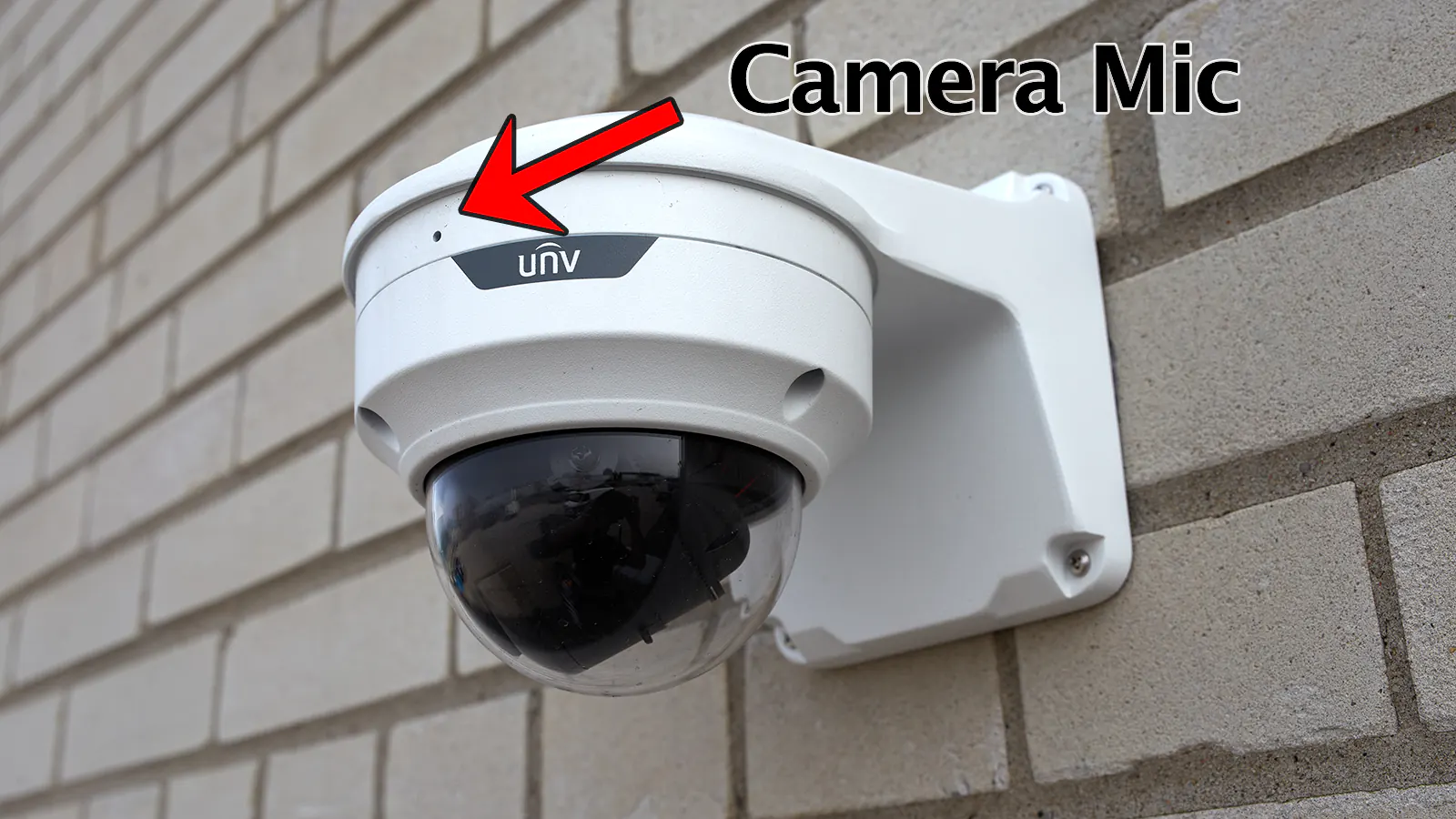
CCTV cameras with audio recording capabilities combine visual and audio surveillance to provide a more comprehensive monitoring solution. These cameras are equipped with built-in microphones or support external microphones to capture sound in addition to video footage. The audio and video data are usually recorded and stored together, providing synchronized content that can be reviewed later for enhanced situational awareness. In a typical CCTV setup, the camera records footage and transmits the data to a monitoring system or storage device. With audio-enabled systems, the sound is captured alongside the visual recording, offering clear context and details about what is happening in the scene.
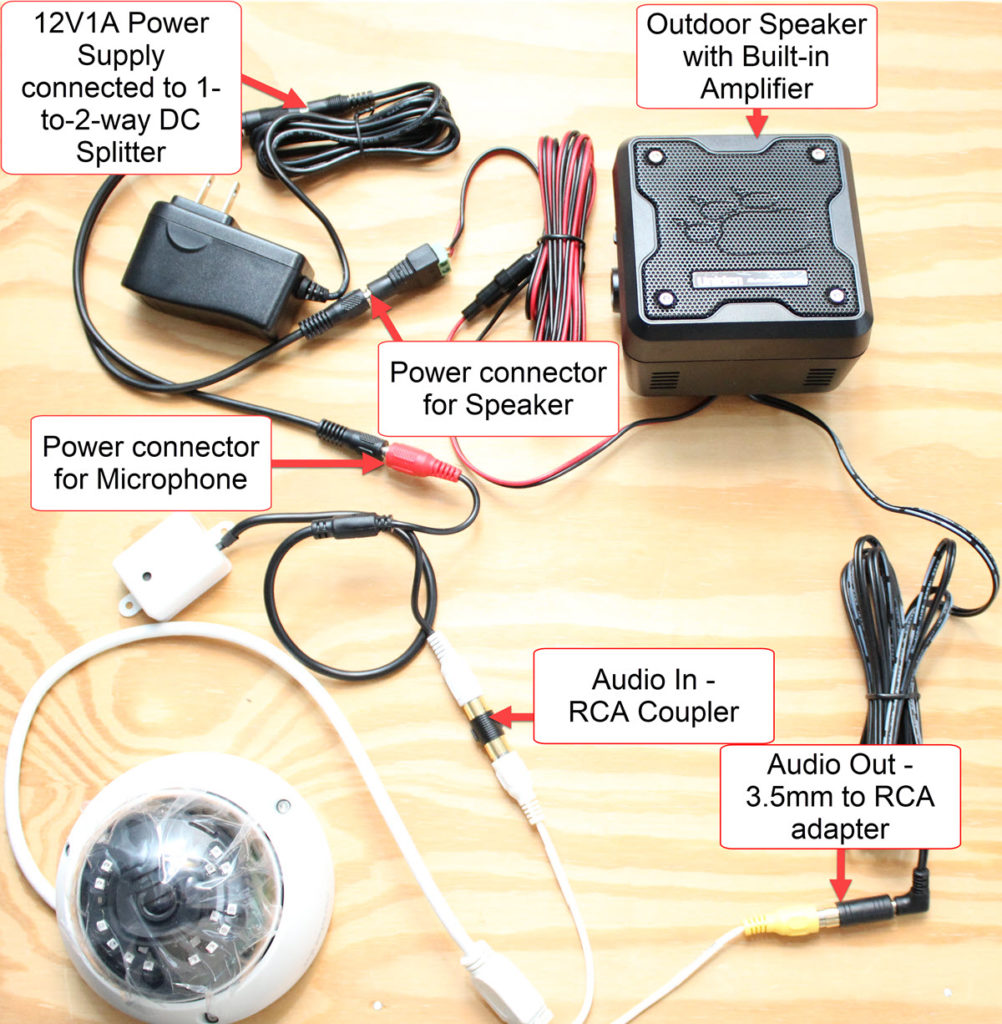
The microphone quality and positioning are crucial for capturing clear and reliable audio. CCTV cameras may offer one-way audio (where only sounds in the area are captured) or two-way audio (which allows communication, enabling you to speak through the camera). This functionality makes them ideal for both security monitoring and situations where communication is required, such as in businesses or homes.
Types of Audio Recording Technology in CCTV Cameras
There are several types of audio recording technologies used in CCTV cameras, each offering distinct advantages depending on the intended use of the surveillance system.
Analog Audio Recording: In an analog system, the microphone captures the sound and transmits it as an analog signal, which is then recorded by the CCTV system. This technology is typically used in older systems but is still common in many installations. While it’s cost-effective, analog audio lacks the clarity and flexibility of newer digital options.
Digital Audio Recording: Most modern CCTV systems utilize digital audio recording, where the audio signal is converted into a digital format and stored on digital storage devices such as hard drives or cloud storage. Digital audio provides clearer sound quality and more efficient storage and retrieval of recordings compared to analog systems. It also integrates seamlessly with IP-based CCTV systems.
IP Audio Recording: IP cameras that support audio recording generally use Internet Protocol (IP) technology to transmit both video and audio signals over a network. This allows for remote monitoring and control of audio and video streams through a computer or mobile device. IP cameras can also be configured for two-way audio communication, enabling users to interact with individuals through the camera.
Two-Way Audio: Two-way audio-enabled CCTV systems allow not only for sound capture but also for interactive communication. This is particularly useful for businesses, offices, or residential areas where communication is needed between the monitoring station and the subject of surveillance. For instance, a security guard can ask a person to identify themselves or a homeowner can communicate with someone at the door via the CCTV camera.
Legal Considerations for Audio Surveillance in Kenya
While audio recording can enhance security, it comes with important legal considerations, particularly when it comes to privacy laws and ethical concerns. In Kenya, the use of audio surveillance must comply with the Data Protection Act, 2019, and other relevant regulations that govern privacy and the use of personal data.
Consent and Privacy: In many jurisdictions, including Kenya, it is illegal to record conversations without the consent of the people involved. The Data Protection Act outlines that individuals have a right to privacy, which extends to the recording of their conversations. If a CCTV camera is intended to capture audio, it is important to inform people that they are being recorded. This is especially true for businesses, where employees and customers must be made aware that audio surveillance is in place.
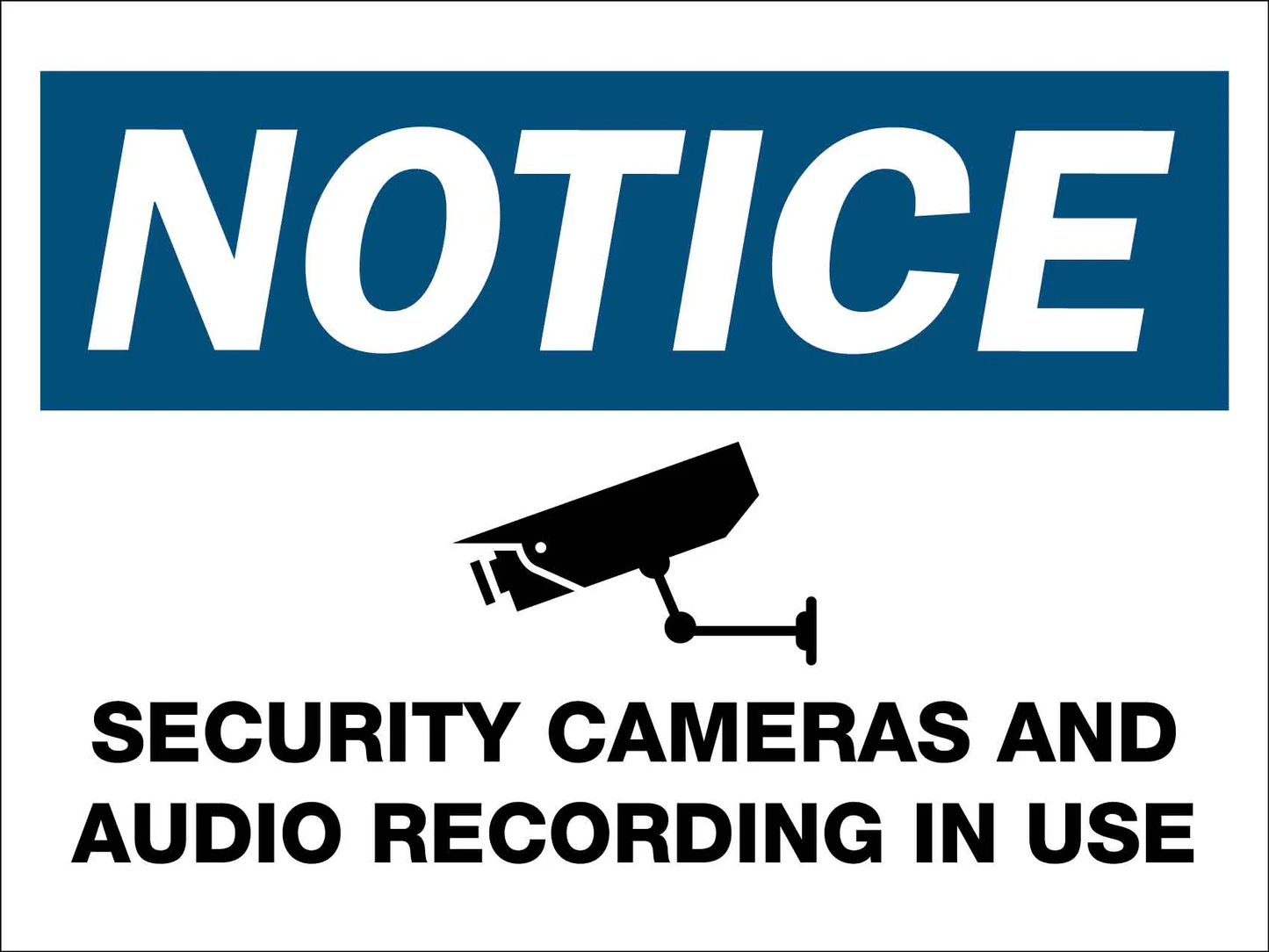
Signage and Notification: To avoid legal issues, it is advisable to place signs or notifications informing individuals that audio and video surveillance is active in the monitored area. This ensures transparency and helps mitigate any legal challenges regarding privacy violations.
Public vs. Private Spaces: There is a distinction between audio surveillance in public spaces versus private spaces. Public spaces, such as streets or parking lots, may have less stringent rules regarding audio recording. However, private areas, such as homes, offices, or business premises, are subject to stricter privacy protections. Recording conversations in these spaces without consent could lead to legal consequences.
Data Protection and Storage: The Data Protection Act also governs how recorded audio data is stored and handled. CCTV footage that includes audio must be stored securely, and access to this data should be restricted to authorized personnel. Furthermore, the recorded data should only be kept for as long as necessary for security purposes and must be disposed of properly when no longer needed.
Two-Way Communication: If a CCTV system with two-way audio is installed, additional legal considerations come into play. Since this type of system allows interaction between the monitored party and the person monitoring the footage, consent becomes even more critical. Both parties must be aware that the interaction is being recorded.
While audio surveillance can significantly enhance security, it's crucial to stay informed and comply with local laws and regulations in Kenya. Understanding these legal requirements ensures that CCTV installations not only meet security needs but also respect individuals' rights to privacy and data protection.
Types of CCTV Cameras That Record Voice
There are various types of CCTV cameras equipped with audio recording capabilities, each designed for different security needs and preferences. The choice of which camera to use depends on factors such as installation location, budget, and the level of surveillance required. Below are the most common types of CCTV cameras that can record audio:
Wired CCTV Cameras with Built-in Microphones
Wired CCTV cameras with built-in microphones are traditional security cameras that have integrated audio capture functionality. These cameras are typically connected to a monitoring system or storage device via cables, which transmit both video and audio signals.
Features and Benefits:
Stable Connection: Wired CCTV systems provide a reliable and uninterrupted connection for both video and audio transmission, ensuring the capture of clear footage and sound without interference.
Simple Installation: The installation of wired systems is straightforward if you have access to a power supply and the required cabling infrastructure.
Consistent Audio Quality: Built-in microphones ensure that sound is consistently recorded, especially in controlled environments where no external interference (like Wi-Fi issues) is present.
Limitations:
Cabling Constraints: The need for physical cables means installation is more complicated, especially in areas where running wires is difficult or not aesthetically pleasing.
Limited Flexibility: The camera’s positioning and mobility are restricted due to the need to stay connected to the network with wires.
Wireless CCTV Cameras with Audio Capability
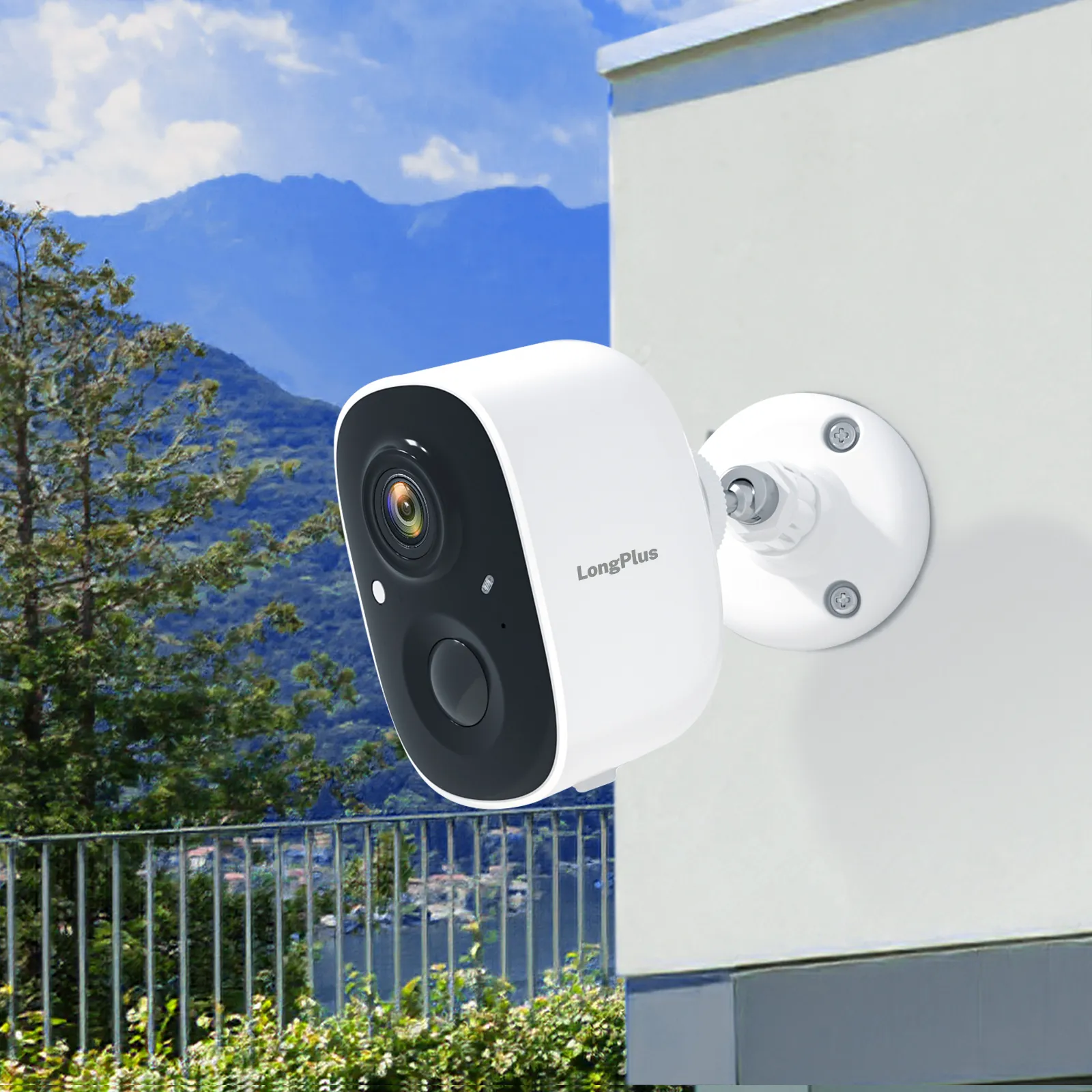
Wireless CCTV cameras offer the flexibility of audio recording without the need for physical cables. These cameras transmit video and audio signals through Wi-Fi or other wireless communication technologies to a network or cloud storage.
Features and Benefits:
Ease of Installation: Wireless cameras are easy to install, as they don’t require cables for data transmission. They can be placed in locations that are difficult for wired systems to reach, such as outdoor areas or hard-to-wire spaces.
Remote Monitoring: Many wireless systems support remote access, allowing users to monitor live footage and listen to recorded audio from anywhere via smartphone or computer.
Flexibility in Placement: Wireless CCTV cameras can be positioned almost anywhere, provided they are within the range of the Wi-Fi network.
Limitations:
Signal Interference: Wireless cameras are susceptible to interference from other devices operating on similar frequencies, which may impact the quality of both video and audio recordings.
Dependence on Wi-Fi: The performance of wireless CCTV cameras depends heavily on the strength and reliability of the Wi-Fi connection. Weak signals can result in poor-quality video and audio or complete disconnection.
IP Cameras with Two-Way Audio
IP cameras (Internet Protocol cameras) are advanced digital CCTV systems that operate over a network, enabling users to stream and store video and audio recordings remotely. Many modern IP cameras come equipped with two-way audio, allowing for both the recording of sound and real-time communication with individuals in the monitored area.
Features and Benefits:
High-Quality Audio and Video: IP cameras generally offer higher resolutions and better sound quality compared to analog or older systems, thanks to digital technology.
Two-Way Communication: Two-way audio enables communication, which is beneficial in environments like offices, homes, or businesses where interaction with individuals on the premises is necessary (e.g., instructing a delivery person or communicating with visitors).
Remote Control and Monitoring: IP cameras allow remote access via the internet, meaning you can listen to audio, view live footage, and even engage in two-way communication from any location with an internet connection.
Limitations:
Complex Setup: While IP cameras offer more advanced features, they can be more complicated to set up, especially for those not familiar with network configurations and cloud services.
Dependence on Network Stability: The performance of IP cameras is directly linked to the strength and stability of the network, and a poor internet connection can affect both video and audio quality.
PTZ Cameras with Integrated Audio Systems
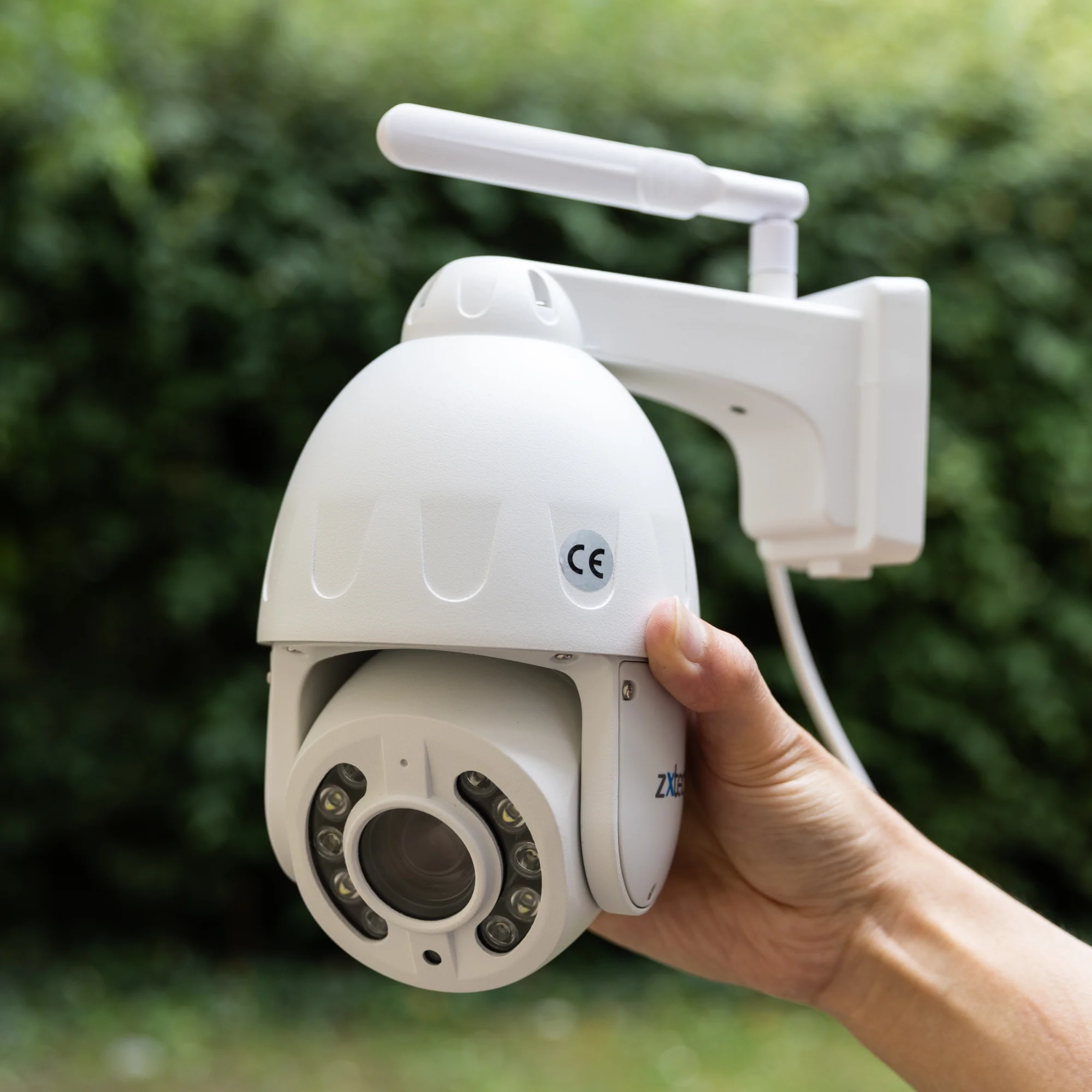
PTZ (Pan-Tilt-Zoom) cameras are advanced surveillance cameras that provide the ability to remotely control the camera’s direction and zoom level. Many PTZ cameras also come with integrated audio systems, allowing for both visual and audio monitoring of a wide area.
Features and Benefits:
Remote Control: PTZ cameras can be adjusted remotely to pan across a wide area, tilt up or down, and zoom in on specific events or areas of interest. This flexibility is especially useful in large spaces, such as warehouses or parking lots.
Audio Capture Across Large Areas: Integrated microphones in PTZ cameras allow for the recording of sound in large, open areas, which would be difficult for fixed cameras to cover.
High-Level Surveillance: PTZ cameras provide superior monitoring capabilities, especially when combined with two-way audio, making them ideal for high-security locations or environments where situational awareness is crucial.
Limitations:
Cost: PTZ cameras are typically more expensive than standard fixed CCTV cameras, especially those equipped with audio functionality.
Complexity: The advanced features of PTZ cameras may require more sophisticated setup and maintenance compared to basic models.
Hidden or Covert CCTV Cameras with Audio Recording
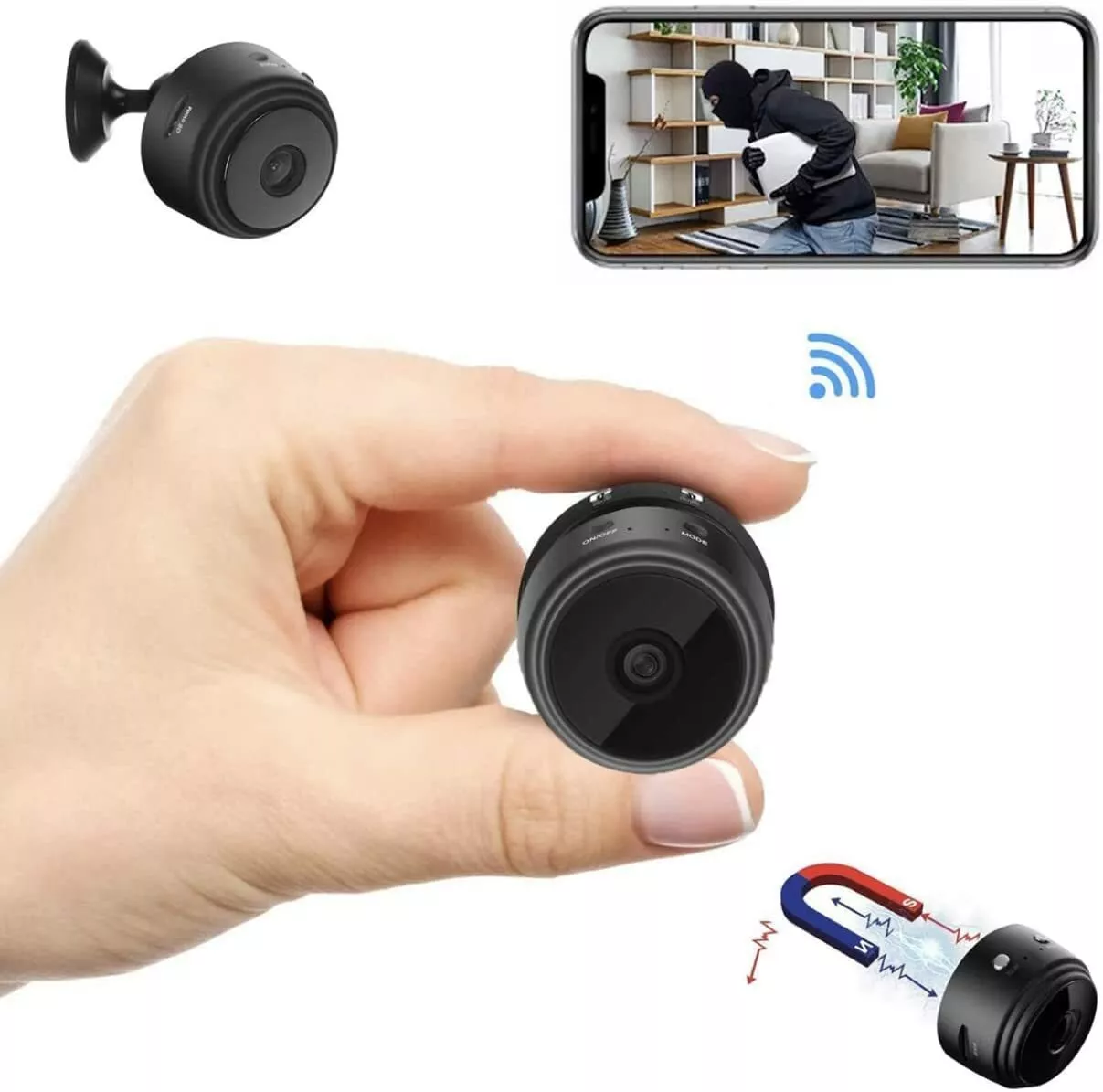
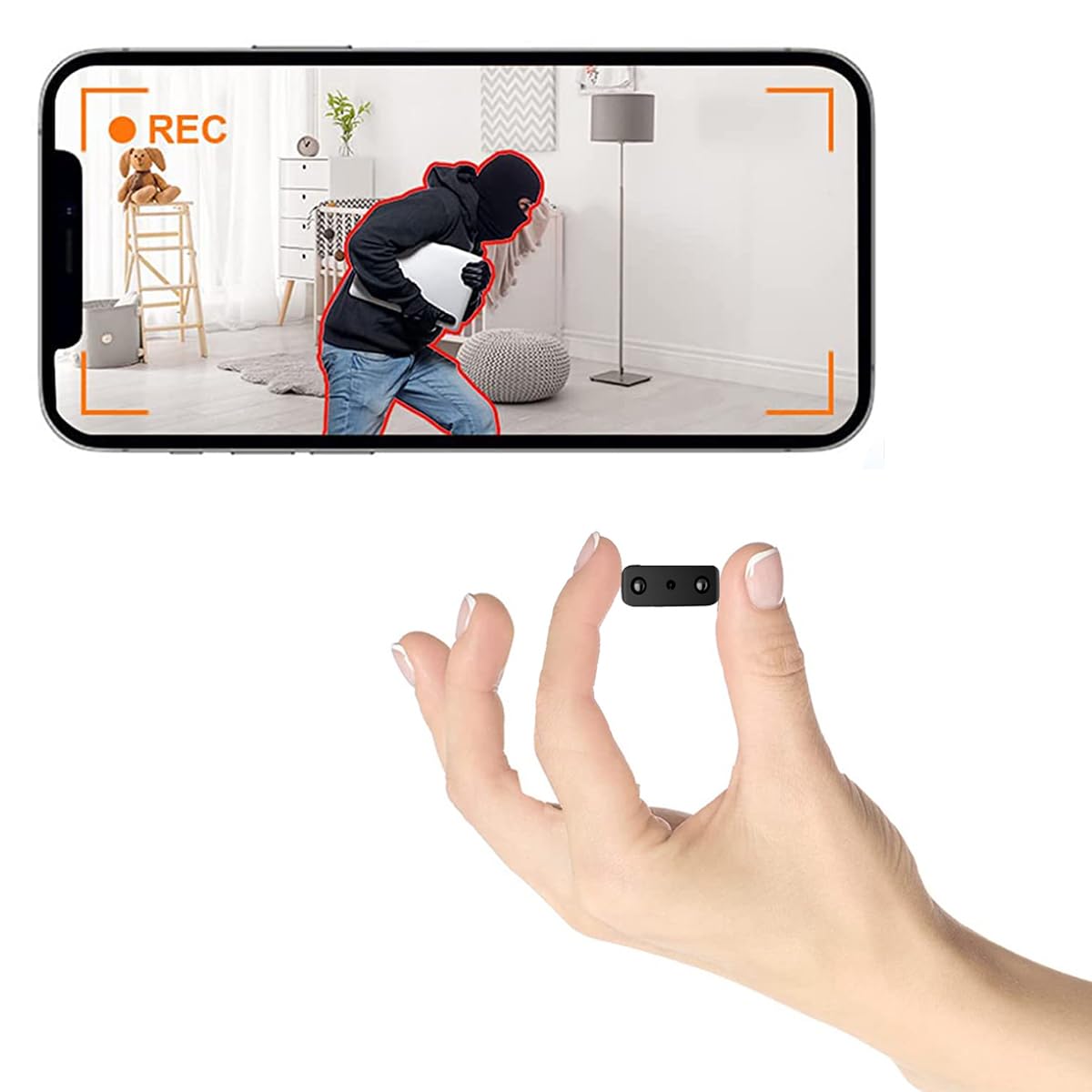
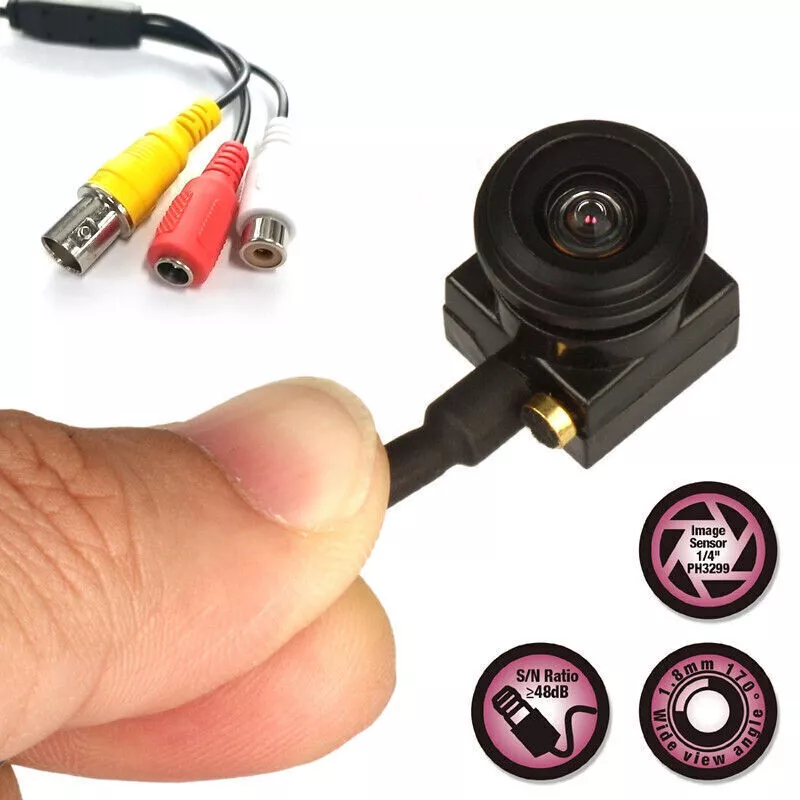
Hidden or covert CCTV cameras are designed to blend seamlessly into their environment, offering discreet surveillance. These cameras often feature audio recording capabilities and are used for security situations where visibility might be a concern or where overt surveillance could raise suspicions.
Features and Benefits:
Discreet Monitoring: Covert cameras are designed to look like everyday objects, such as smoke detectors, clocks, or air purifiers, allowing them to capture both video and audio without attracting attention.
Enhanced Security: Hidden cameras are ideal for monitoring areas where overt surveillance might be intrusive, such as in sensitive spaces, private areas, or for monitoring staff or employees.
Audio Capture in Sensitive Areas: The ability to record audio alongside video is valuable in sensitive environments where both visual and verbal context may be necessary for security or evidence.
Limitations:
Legal Issues: The use of covert cameras for audio surveillance raises significant privacy concerns. It is crucial to ensure compliance with legal requirements, particularly regarding consent and privacy rights.
Lower Audio Quality: Because these cameras are often hidden in non-traditional enclosures, their microphones may not be as sensitive or high-quality as those found in purpose-built surveillance cameras.
The choice of CCTV camera with audio recording capabilities depends on your specific needs—whether it's for discreet monitoring, two-way communication, or wide-area surveillance. Understanding the features and limitations of each type will help you select the best system for your property and security goals.
Key Features to Look for in Audio-Recording CCTV Cameras
When choosing an audio-recording CCTV camera, several factors should be considered to ensure it meets your security needs effectively. These include microphone quality, communication options, system integration, and storage solutions. Here's a closer look at these essential features:
Microphone Quality and Range
The quality and range of the microphone in your CCTV camera play a crucial role in capturing clear and accurate audio. Poor microphone quality can lead to distorted or inaudible sound, which undermines the effectiveness of the camera.
Key Considerations:
Audio Clarity: Look for cameras with high-fidelity microphones that capture clear audio. A good-quality microphone can make the difference between muffled sounds and crisp, understandable audio.
Microphone Sensitivity: Some cameras come with adjustable microphone sensitivity settings, allowing you to fine-tune the audio to ensure optimal sound capture based on the environment.
Range of Audio Capture: The range refers to the distance the microphone can effectively pick up sound. Cameras with long-range microphones are beneficial for large areas, such as warehouses or outdoor spaces, while short-range microphones work better for smaller, more controlled environments.
Noise Cancellation: Some advanced cameras include noise-cancellation technology that helps filter out background noise, ensuring that only relevant sounds are recorded. This feature is particularly useful in noisy environments like busy streets or factories.
Two-Way Communication vs. One-Way Audio
The choice between two-way and one-way audio depends on the level of interaction you need with individuals at the surveillance site.
One-Way Audio: In one-way audio systems, the camera only records audio; it does not allow communication back to the person in the monitored area. This setup is typically sufficient for monitoring purposes, such as recording conversations or sounds for security evidence.
Best for: Passive surveillance, such as in offices, homes, or public spaces where interaction is unnecessary.
Two-Way Audio: Two-way audio systems allow for real-time communication between the monitoring station and the area being surveilled. This is particularly useful for controlling access points, giving instructions, or interacting with people on the premises.
Best for: Situations where direct interaction is needed, such as monitoring staff at a reception desk, instructing delivery personnel, or handling emergencies.
Considerations: Two-way audio requires higher-quality microphones and speakers to ensure clear communication. It also increases the complexity of the setup.
Integration with Other Security Systems
For a comprehensive security solution, it’s important that your audio-recording CCTV camera integrates seamlessly with other security systems such as alarms, motion detectors, and access control systems.
Key Integration Features:
Centralized Control: Some advanced CCTV systems allow integration with a central control panel or security software, enabling you to manage video and audio feeds along with other security data from one interface.
Alarm Triggers: Certain cameras can be programmed to trigger an alarm or send alerts when unusual audio patterns (e.g., shouting or breaking glass) are detected. This can add an extra layer of security by immediately notifying security personnel of potential incidents.
Automation: Integration with automation systems can allow your CCTV cameras to work in conjunction with other devices, such as activating lights or locking doors when motion is detected or when a particular sound is recorded.
Cloud Integration: Many modern CCTV cameras offer integration with cloud-based storage systems, allowing both video and audio data to be stored remotely and accessed from anywhere.
Storage Options for Audio-Video Files
Storing both video and audio recordings is essential for future reference and evidence gathering. Therefore, having reliable storage options for your CCTV system is crucial.
Storage Considerations:
Local Storage: Some CCTV cameras store data directly on local devices such as SD cards, DVR (Digital Video Recorder), or NVR (Network Video Recorder) systems. This method is typically more affordable but may require larger storage capacities depending on the amount of footage and audio data you need to store.
Pros: More affordable, easier to set up for smaller installations.
Cons: Limited storage capacity, vulnerable to theft or damage, and difficult to scale.
Cloud Storage: Cloud-based storage allows you to store both video and audio recordings offsite, ensuring that data is safe even in the event of camera tampering or physical damage to local storage devices. This option is ideal for users who need remote access to their footage and audio.
Pros: Accessible from anywhere, scalable, more secure.
Cons: Requires a reliable internet connection, monthly or yearly subscription fees.
Hybrid Storage: Some CCTV systems offer hybrid storage solutions, combining both local and cloud storage. This allows for backup redundancy, with video and audio being stored locally for quick access and backed up to the cloud for extra security and long-term retention.
Recording Duration:It's important to consider how long you need to store both audio and video recordings. Higher storage capacities allow for longer recording times, but they also require larger storage devices or higher-cost cloud plans. Many systems also allow you to set recording schedules (e.g., continuous vs. motion-triggered recording) to optimize storage use.
Benefits of CCTV Cameras with Audio Recording
Incorporating audio recording into CCTV surveillance systems offers several advantages that enhance both security and operational efficiency. Audio, when combined with visual monitoring, provides a more comprehensive security solution. Below are some of the key benefits of CCTV cameras with audio recording capabilities:
Enhancing Incident Documentation and Evidence
Audio recording can significantly improve the quality and reliability of incident documentation. In many security situations, the context provided by sound can clarify ambiguous events, capture conversations, or provide critical evidence during disputes or investigations.
Complete Context: Audio helps capture not just what is seen but what is heard during an incident. For instance, in case of a theft or altercation, audio can record the conversations of suspects, their tone, and any threatening remarks that may have been made.
Reliable Evidence: High-quality audio recordings serve as strong evidence in legal proceedings. If a crime or incident occurs, having both video and audio can make a case more robust by offering a clearer picture of what transpired.
Improved Investigation: Audio recordings assist law enforcement and security teams in conducting thorough investigations, ensuring they have all the necessary data to make accurate conclusions.
Deterring Criminals with Both Visual and Audio Monitoring
One of the most powerful deterrents to criminal activity is the knowledge that both video and audio surveillance are active in an area. CCTV cameras with audio recording provide an extra layer of awareness that can discourage potential wrongdoers.
Increased Awareness: Criminals are less likely to engage in illicit activities when they know that their actions are not only being visually recorded but also documented by audio. Knowing that conversations, actions, and even potential threats are captured can make them think twice.
Immediate Response: In areas with two-way audio capabilities, security personnel can communicate directly with individuals, warning them that they are being watched and heard. This immediate interaction often causes criminals to abandon their plans.
Enhanced Presence: The combination of visual and audio surveillance creates a stronger sense of security, helping to deter criminal activity in real-time.
Improved Monitoring for Businesses and Public Spaces
Businesses and public spaces benefit from enhanced monitoring capabilities, which are made possible by audio-recording CCTV cameras. These spaces often face high traffic or interactions that require extra attention to security and operational procedures.
Better Customer and Employee Interaction Monitoring: In environments like stores, malls, and restaurants, audio can help monitor interactions between employees and customers, ensuring that employees are adhering to policies and maintaining professionalism. It can also capture any disputes or confrontations that arise, providing important context for resolution.
Crowd Control: In public spaces such as stadiums or event venues, audio helps security teams listen for disturbances, loud arguments, or potential threats that may not be immediately visible on the camera feed. It allows for quicker response times.
Compliance Monitoring: For businesses that need to follow regulatory guidelines (such as health and safety protocols), audio recording provides a tool to ensure compliance with company policies and external regulations. It can be used for training purposes and verifying employee behavior during critical situations.
Easy Integration with Existing CCTV Systems
One of the primary benefits of CCTV cameras with audio is their ability to integrate seamlessly with existing video surveillance systems. This makes upgrading to audio surveillance easier and more cost-effective for businesses and homeowners.
Effortless Expansion: Many modern CCTV systems are designed with scalability in mind, allowing audio-recording cameras to be added without a complete overhaul of the existing system. Whether you're upgrading a few cameras or adding audio capabilities to your current setup, the process can often be completed without significant disruption.
Centralized Control: Integration with existing CCTV systems allows both video and audio to be monitored, recorded, and reviewed through the same platform or control center. This simplifies security management and ensures that security teams have all necessary information in one place.
Flexible Setup Options: Audio-equipped CCTV cameras can be customized to work with various other security devices, such as motion detectors, alarms, and smart automation systems. This flexibility allows businesses and homes to create comprehensive, integrated security solutions that address their unique needs.
CCTV cameras with audio recording provide multiple benefits, ranging from enhanced documentation and evidence gathering to improved deterrence and real-time monitoring. Whether you're looking to protect your home, monitor business interactions, or enhance public space security, the combination of video and audio makes for a more effective and efficient surveillance system. Easy integration with existing systems further adds to their appeal, ensuring that you can upgrade your security setup without significant challenges. These cameras offer peace of mind by not only providing a visual record of incidents but also capturing the surrounding audio context that can be crucial for investigation and prevention.
Factors to Consider When Installing CCTV Cameras with Audio
Installing CCTV cameras with audio recording capabilities is an important decision for any security system. While these cameras offer enhanced surveillance, there are several factors to consider to ensure they are installed properly and in compliance with regulations. Below are key factors that should be carefully evaluated when installing CCTV cameras with audio recording.
Legal and Ethical Issues Surrounding Audio Surveillance
One of the most crucial considerations when installing CCTV cameras with audio is the legal and ethical implications of recording conversations. Depending on the jurisdiction, there may be specific laws regulating audio surveillance, and failing to comply with these laws could result in legal consequences.
Consent Requirements: In many countries, including Kenya, recording audio may require the consent of the individuals being recorded. It's important to understand whether your jurisdiction requires you to inform people that audio surveillance is taking place. For instance, in public spaces or private businesses, it may be necessary to provide clear signage indicating that audio is being recorded.
Privacy Rights: Audio surveillance should be balanced with privacy rights. Recording conversations without consent, especially in areas where people expect privacy (such as bathrooms or changing rooms), could lead to ethical concerns and legal violations. Make sure that audio surveillance is only used in areas where it is legally and ethically acceptable.
Data Protection Laws: Audio recordings contain sensitive information. It’s vital to adhere to data protection laws, such as the Personal Data Protection Act (PDPA) in Kenya, which regulates the collection, storage, and use of personal data. Ensure that any audio data collected is securely stored and that only authorized personnel have access to it.
Installation Location and Audio Coverage
The installation location of CCTV cameras with audio recording capabilities plays a vital role in the effectiveness of the system. Audio coverage, in particular, needs to be carefully planned to ensure clear and accurate recordings.
Optimal Camera Placement: Ensure that the CCTV camera is placed in a location that allows it to capture the most relevant areas. The camera should cover key zones where incidents are most likely to occur, such as entry points, hallways, or areas with high foot traffic. The microphone should also be strategically placed to capture clear audio from these areas without being obstructed by walls or other barriers.
Audio Range: Depending on the type of microphone used, the audio range may vary. Some microphones are designed to pick up sound from a wide area, while others may have a limited range. Consider the specific audio needs for the location and select a camera system with an appropriate microphone range to ensure it captures the necessary sound.
Noise Reduction: Environments with high ambient noise, such as busy streets, factories, or large public spaces, may require specialized microphones with noise reduction features to ensure clear and accurate recordings. In these cases, directional microphones or those with built-in filtering may be more effective in capturing the intended audio without distortion.
Power Supply and System Requirements
CCTV cameras with audio recording capabilities require a stable and sufficient power supply to function effectively. Ensuring that the system meets the power requirements and is compatible with existing infrastructure is essential.
Power Supply Options: CCTV cameras can be powered in several ways, including through a dedicated electrical outlet or via Power over Ethernet (PoE), which supplies power and data through a single cable. PoE is especially useful for IP cameras and provides a more streamlined installation process.
Compatibility with Existing Systems: If you are upgrading an existing CCTV system, ensure that the new cameras with audio capabilities are compatible with your current setup. Check for compatibility with your network, storage devices, and any other integrated security systems.
Backup Power: For uninterrupted operation, particularly in critical locations, consider installing uninterruptible power supplies (UPS) or backup batteries to ensure the system continues to function during power outages. This is especially important for security systems that need to operate 24/7.
Storage and Data Management for Audio Files
With audio recordings being an essential part of your surveillance system, managing the storage and data of these recordings becomes critical. Audio files can take up considerable storage space, and it’s important to have an efficient system in place to store, access, and manage this data.
Storage Capacity: Audio files, like video recordings, require significant storage space. Determine how long you need to store the recordings and ensure that your storage solution has enough capacity to meet those needs. For high-quality audio and video recordings, consider using Network Attached Storage (NAS) or cloud storage solutions that provide ample space and remote access.
Data Retention Policies: Depending on your security needs and the regulations in your region, you may need to establish a data retention policy for your audio recordings. It’s important to define how long you will retain the recordings and when they should be deleted or archived. This ensures that you comply with data protection laws and prevents unnecessary storage costs.
Data Encryption and Security: Audio recordings are sensitive data that require protection. Ensure that all stored audio files are encrypted and that access is restricted to authorized personnel only. Regular backups should also be performed to prevent data loss.
Access and Retrieval: To manage the large amount of audio data effectively, implement a system that allows easy retrieval of recordings when needed. This could involve categorizing files, using metadata for quick search, or utilizing an advanced Video Management System (VMS) that integrates both video and audio files.
When installing CCTV cameras with audio recording, it’s crucial to carefully evaluate several factors, including legal and ethical considerations, the installation location, power supply needs, and storage requirements. Ensuring that your system is legally compliant, optimized for audio coverage, properly powered, and equipped with sufficient storage is essential for maintaining a reliable and effective security system. Taking these factors into account will help you make informed decisions and create a CCTV system that meets both your security needs and legal obligations.
Costs of CCTV Cameras with Audio Recording in Kenya
When considering the purchase of CCTV cameras with audio recording capabilities, it’s important to understand the factors that influence their pricing. The cost of these systems can vary depending on several aspects such as camera quality, features, and installation requirements. Below is a breakdown of the key factors that influence the price of CCTV cameras with audio recording in Kenya, along with an overview of the average costs and a comparison of cost-effectiveness for homes and businesses.
Factors Influencing the Price of Audio-Recording CCTV Cameras
Several factors affect the price of CCTV cameras with audio recording capabilities. Understanding these factors can help you make an informed decision when budgeting for your security system:
Camera Type: The type of CCTV camera, whether wired, wireless, or IP, greatly impacts the price. Wired CCTV cameras tend to be more affordable, while wireless and IP cameras often come at a premium due to their added flexibility and advanced features like remote access and integration with other devices.
Audio Technology: The type of audio technology integrated into the camera also affects the price. Cameras with high-quality microphones or two-way audio functionality (allowing communication through the camera) typically cost more. Additionally, advanced features like noise cancellation or long-range microphones can increase the price.
Resolution and Video Quality: CCTV cameras that offer higher video resolution, such as 1080p, 4K, or even 5MP, will generally cost more. Cameras with high-definition video quality combined with audio recording provide a comprehensive surveillance solution but come at a higher price.
Storage Options: Cameras that offer cloud storage or integration with network video recorders (NVRs) may come with additional costs for subscriptions or storage equipment. On the other hand, cameras that use local storage (SD cards, DVRs) may have a lower upfront cost but require regular maintenance and management.
Brand and Quality: Well-known, reputable brands tend to have higher prices, but they often provide better quality, reliability, and customer support. Local and lesser-known brands may offer lower prices, but their performance and longevity can vary.
Integration with Security Systems: Cameras that can integrate with other security systems, such as alarms, motion detectors, or access control systems, typically have a higher cost. However, this integration can add significant value to the overall security solution.
Average Prices for Audio CCTV Cameras in Kenya
The prices of CCTV cameras with audio recording capabilities in Kenya vary based on the type and features of the system. Below are some typical price ranges:
Wired CCTV Cameras with Audio:
Price Range: KES 10,000 to KES 25,000 per camera
These cameras are generally more affordable and can record both video and audio. However, they may have limited features compared to higher-end models.
Wireless CCTV Cameras with Audio:
Price Range: KES 15,000 to KES 45,000 per camera
Wireless cameras are more flexible, with easy installation and the ability to access footage remotely. Cameras with built-in audio recording tend to be priced higher due to the added functionality.
IP Cameras with Two-Way Audio:
Price Range: KES 25,000 to KES 60,000 per camera
IP cameras, which offer superior video resolution and advanced features like two-way audio, are ideal for larger premises and remote monitoring. The two-way communication feature adds to the price.
PTZ Cameras with Integrated Audio:
Price Range: KES 40,000 to KES 120,000 per camera
Pan-Tilt-Zoom (PTZ) cameras with integrated audio are commonly used in large-scale installations such as businesses, warehouses, or public spaces. Their motorized zoom and pan capabilities, along with audio recording, contribute to their higher price range.
Covert or Hidden CCTV Cameras with Audio:
Price Range: KES 30,000 to KES 80,000 per camera
Hidden or covert CCTV cameras are designed for discrete surveillance. Their cost reflects the technology used to make them inconspicuous while still providing high-quality video and audio recordings.
It’s important to note that these prices are averages, and the final cost can vary depending on the retailer, brand, and any additional installation or maintenance services provided.
Comparing Cost-Effectiveness for Homes vs. Businesses
When evaluating the cost-effectiveness of CCTV cameras with audio recording for homes versus businesses, it’s essential to consider the different requirements and use cases of both:
For Homes:
Lower-Scale Security: Homeowners often require CCTV cameras for basic security, such as monitoring entry points and providing evidence in case of an incident. For homes, a few wired or wireless CCTV cameras with audio recording should suffice.
Cost-Effectiveness: For residential purposes, wired or wireless cameras with audio recording that are priced between KES 10,000 and KES 30,000 each may be sufficient. The overall cost will depend on the number of cameras needed, but the installation and maintenance expenses are typically lower for homes.
Key Considerations: Homeowners may prioritize ease of installation, integration with mobile apps, and the ability to store footage locally or in the cloud. The added benefit of audio recording can provide clarity in case of disputes or incidents at home.
For Businesses:
Comprehensive Surveillance: Businesses, especially those with larger premises or higher foot traffic, require more advanced CCTV systems. These systems often need to cover multiple areas, such as entry points, hallways, parking lots, and storage areas. Additionally, businesses may require more advanced features such as remote monitoring, PTZ functionality, and two-way audio for communication with staff or customers.
Higher Costs but Greater Value: While businesses may need to spend more upfront on CCTV cameras with audio recording, the investment often pays off through enhanced security, improved incident documentation, and potential liability protection. The cost for commercial CCTV systems typically ranges from KES 30,000 to KES 120,000 per camera, depending on the features.
Key Considerations: Businesses may need scalable solutions with centralized control, integration with other security systems, and options for long-term storage. Additionally, considering the potential for legal disputes, audio recording in business environments can be a valuable asset.
The cost of CCTV cameras with audio recording in Kenya varies significantly depending on the camera type, features, and brand. For residential use, homeowners can expect to pay between KES 10,000 and KES 30,000 per camera, while businesses may need to invest in more advanced systems ranging from KES 30,000 to KES 120,000 per camera. When evaluating cost-effectiveness, homeowners may prioritize affordability and ease of use, while businesses need to focus on scalability, integration, and advanced features to meet their larger security needs. Regardless of the use case, audio-recording CCTV cameras offer added security and valuable evidence, making them an important investment for both homes and businesses.
Installing CCTV Cameras with Audio Recording in Kenya
Installing CCTV cameras with audio recording features requires careful planning and proper setup to ensure that both video and audio surveillance functions efficiently. Below, we outline the key considerations for installing these systems, including the importance of conducting a site survey, choosing between professional installation and DIY setup, configuring audio features, and ensuring high-quality recordings.
Site Survey and Audio-Recording Requirements
A site survey is a crucial first step in the installation of CCTV cameras with audio recording. It helps determine the best camera placement and ensures the system meets the specific needs of your premises.
Identifying Key Locations: The site survey allows you to assess areas where surveillance is most needed, such as entrances, exits, parking lots, or high-traffic areas. For audio recording, it's essential to position microphones where they can capture clear conversations or sounds from the targeted areas. Consider environmental factors like noise levels, distance from subjects, and the angle of view.
Audio Sensitivity and Coverage: Audio surveillance systems are designed to capture sound within a specific range. The survey should assess the desired audio coverage and ensure that the camera’s microphone can pick up sounds from a sufficient distance without distortion or interference. High-traffic or noisy areas may require microphones with noise-canceling features for better clarity.
Power and Connectivity: Ensure that the selected locations for the cameras have access to power sources and, if necessary, network connections for wireless or IP cameras. For wired systems, evaluate the routing of cables to minimize visual impact while ensuring that the cables are long enough to connect the camera to the recording device.
Professional Installation vs. DIY Setup
When it comes to installing CCTV cameras with audio recording, you have the option to either hire professional installers or handle the installation yourself (DIY). Both approaches come with their pros and cons.
Professional Installation:
Advantages: Professional installation ensures that the cameras are correctly placed, wired, and configured. Installers have experience in selecting the right angles and audio placement for optimal coverage. They can also ensure that the system is fully integrated and functioning as intended. Additionally, professional installers often provide warranties and support in case of future issues.
Considerations: Professional installation can be more expensive than DIY. However, the added cost is often worth the peace of mind and quality of service.
DIY Setup:
Advantages: DIY installation can be more cost-effective since it eliminates labor fees. Many CCTV systems come with easy-to-follow manuals, making it possible for homeowners or business owners to set up their own cameras.
Considerations: DIY setups require technical knowledge, especially when dealing with wiring, camera placement, and configuration. Mistakes made during installation can lead to suboptimal camera performance or audio quality. Additionally, ensuring that the audio settings are properly configured may require some trial and error. It is also essential to understand the legal and ethical considerations of audio surveillance before installation.
Configuring and Testing Audio Features
After installing the CCTV cameras with audio recording, configuring and testing the audio features is critical to ensure that the system captures clear, high-quality sound.
Adjusting Audio Sensitivity: Most audio-enabled CCTV cameras come with adjustable sensitivity settings. It’s important to configure the sensitivity to an optimal level so that it picks up sounds clearly without capturing too much background noise. Too high a sensitivity can result in excessive noise, while too low sensitivity may miss important sounds.
Testing Microphone Range: After installation, test the range of the microphone by walking around the area and speaking at different distances from the camera. Make sure that the microphone captures voices and sounds from all relevant areas and that the audio clarity is sufficient for your needs.
Configuring Two-Way Audio (If Applicable): If your system includes two-way audio, ensure that the communication features are functioning properly. Test both sending and receiving audio to verify that you can both listen to and speak through the system. This feature is particularly useful for businesses or homes where direct communication through the camera is needed.
Audio & Video Synchronization: Make sure the audio is properly synchronized with the video feed. Poor synchronization can lead to a disjointed viewing experience, making it harder to assess incidents or capture relevant details. Check that the video and audio play back in real-time without delays.
Ensuring Quality Audio and Video Recording
To ensure the highest possible quality for both audio and video recordings, several factors must be considered during the installation process and beyond.
Microphone Placement and Calibration: The placement of the microphone plays a key role in the quality of the audio. Avoid placing microphones near sources of loud noise (like air conditioning units, machinery, or traffic) unless they are equipped with noise-canceling features. Calibrate the microphone to filter out unnecessary noise while ensuring that conversations or important sounds are clearly recorded.
Camera Resolution: High-quality audio recordings can be undermined if the video feed is of poor resolution. Ensure that your camera has sufficient video resolution to complement the audio. Cameras with 1080p or 4K resolution provide high-definition video, which improves the overall value of the system by offering clear visuals alongside the audio.
Network Stability and Bandwidth (For IP Cameras): For IP cameras that transmit both audio and video over the internet, network stability and sufficient bandwidth are critical to maintaining high-quality recordings. Ensure your network can handle the data load without compromising the quality of either audio or video feeds.
Data Storage and Backup: The quality of your recordings is also dependent on the storage solution you choose. Ensure that you have enough storage capacity (whether cloud-based or local storage) to handle both audio and video files. Consider setting up automatic backups to prevent data loss in case of system malfunctions or outages.
Regular Maintenance and Updates: Regular maintenance is key to preserving the quality of both audio and video recordings. Ensure that your cameras, microphones, and storage systems are regularly checked, cleaned, and updated to prevent performance degradation.
Installing CCTV cameras with audio recording in Kenya requires careful planning, professional execution, and ongoing maintenance. Whether opting for professional installation or a DIY setup, it's essential to ensure that your cameras are correctly positioned, the audio features are properly configured, and the system provides clear, high-quality recordings. By paying attention to the site survey, installation process, and ensuring optimal performance through configuration and testing, you can maximize the effectiveness of your audio-recording CCTV system and enhance your security setup.
Best CCTV Camera Options for Audio Recording in Kenya
Choosing the best CCTV cameras with audio recording features can significantly improve the effectiveness of your surveillance system. Whether you’re protecting your home, business, or public space, it’s essential to invest in reliable, high-quality systems that offer clear video and audio capture. Below are some recommended brands, where you can buy them in Kenya, and customer feedback to help you make an informed decision.
Recommended Brands for CCTV Cameras with Audio
Several CCTV camera brands are known for their superior audio recording features. Here are a few trusted brands that offer reliable audio-enabled CCTV systems:
Hikvision: Hikvision is one of the most well-known brands in the CCTV industry, providing a wide range of cameras with integrated audio features. Their cameras offer high-definition video and crystal-clear audio, with options for both wired and wireless setups. Hikvision's audio-enabled cameras are ideal for both indoor and outdoor installations.
Dahua Technology: Dahua offers a variety of CCTV cameras with two-way audio capabilities, ideal for interactive surveillance. Their IP cameras are equipped with both audio recording and video features, which are highly suitable for businesses or public places requiring seamless communication.
Reolink: Reolink is known for its affordable and high-quality CCTV cameras with audio recording. They provide wireless and wired models, including options with two-way audio. Reolink cameras are especially popular for residential security systems due to their ease of installation and effective sound recording.
Arlo: Arlo is another excellent brand for audio-recording CCTV systems. Their wireless cameras are equipped with high-quality microphones for clear audio capture. Arlo cameras are easy to install and manage, making them suitable for homeowners and small businesses.
Amcrest: Amcrest is known for its IP cameras that offer reliable two-way audio. Their cameras are equipped with high-definition video and high-fidelity audio, and they come with a range of advanced features like motion detection and remote access.
Lorex: Lorex CCTV systems come with advanced audio capabilities, including built-in microphones in both wired and wireless models. Lorex provides high-quality security cameras that offer both video and clear audio recording, suitable for various surveillance needs.
Axis Communications: Axis provides high-end CCTV cameras with built-in audio functionality. Their cameras are perfect for businesses that require high-quality video and audio surveillance, as they offer professional-grade performance and seamless integration with other security systems.
Where to Buy Audio-Recording CCTV Cameras in Kenya
In Kenya, there are several options for purchasing audio-enabled CCTV cameras. Whether you prefer to shop online or visit a physical store, here are some reliable options:
Jumia Kenya: Jumia is one of the largest online marketplaces in Kenya and offers a wide range of CCTV cameras with audio recording capabilities. They feature top brands like Hikvision, Dahua, and Reolink, with various pricing options for different budgets. Jumia often offers discounts and promotions, making it a convenient place to buy CCTV cameras.
CCTV Kenya: CCTV Kenya is a leading local distributor specializing in security systems, including CCTV cameras with audio recording. They offer both residential and commercial CCTV solutions, and you can find top brands like Hikvision, Dahua, and Reolink in their inventory. CCTV Kenya also provides installation and maintenance services.
Smart Security Systems (SSS): SSS is another reliable supplier of CCTV systems in Kenya, including audio-recording cameras. They offer competitive prices and provide expert installation and maintenance services.
Tuskys and Carrefour: These supermarket chains often carry electronic products, including CCTV cameras, at competitive prices. While their selection may not be as extensive as specialized security stores, they are a convenient option for basic CCTV needs.
TechnoVision Kenya: TechnoVision is an established supplier of security products in Kenya, and they offer a variety of CCTV systems with audio recording features. TechnoVision also provides professional installation and support services to ensure proper setup.
Pigiame Kenya: Pigiame is a popular online classifieds platform in Kenya, where sellers list a variety of security cameras with audio recording features. You can find new and used CCTV cameras, which can be a more affordable option for buyers on a budget.
Cameratek: Cameratek specializes in security and surveillance equipment, including CCTV cameras with audio recording. Their cameras come with advanced features such as motion detection and cloud storage options.
Reviews and Customer Feedback on Audio CCTV Cameras
Customer reviews are a valuable resource when selecting a CCTV camera with audio recording features. Below is a summary of feedback on some popular brands:
Hikvision: Customers praise Hikvision for its reliability and excellent video quality, with many noting that the audio functionality is clear and effective in various environments. However, some users report that the microphone range could be improved in outdoor settings with high noise levels.
Dahua Technology: Dahua’s two-way audio feature has received positive reviews for its clarity and ease of use. Many business owners prefer Dahua cameras due to the interactive communication feature. However, some users have mentioned that configuring the audio features can be a bit technical, especially for beginners.
Reolink: Reolink has received high marks for its ease of installation, affordability, and solid audio performance. Customers appreciate the two-way audio feature, particularly for home surveillance. Some reviews mention that the audio quality can degrade in large or noisy areas.
Arlo: Arlo’s wireless audio-enabled CCTV cameras are often recommended for their simplicity and excellent audio clarity. Reviewers highlight their ease of use and app integration, although some users have noted that the audio feature is slightly less effective in outdoor environments with heavy wind.
Amcrest: Amcrest is highly rated for offering good value for the price, with both video and audio quality receiving praise. The two-way audio is noted for being particularly useful for communication with people on the premises. However, some users report occasional connectivity issues with the audio feature in larger installations.
Lorex: Lorex cameras are often chosen for their high-definition video and clear audio. Customers report satisfaction with both indoor and outdoor audio recording, though some have mentioned the higher price point compared to other brands.
Axis Communications: As a premium brand, Axis cameras receive high praise for both their video and audio quality. They are commonly used in businesses and large-scale installations, with customers noting that the integration of video and audio is seamless. The price, however, is a concern for some users.
When selecting CCTV cameras with audio recording for your security needs in Kenya, it's essential to consider brands that offer clear audio functionality, reliability, and ease of use. Hikvision, Dahua, and Reolink are some of the top brands that provide high-quality audio-enabled cameras. You can purchase these systems from various online platforms such as Jumia, as well as local security stores like CCTV Kenya and TechnoVision. Customer feedback highlights the importance of good microphone quality, clear two-way audio, and integration with existing security systems. By doing proper research and selecting the best options based on your specific needs, you can significantly enhance the effectiveness of your surveillance system.
FAQs About Which CCTV Camera Records Voice
When considering a CCTV camera with voice recording capabilities, it’s important to understand how these systems work, their legal implications, and which features are most beneficial for your security needs. Below are detailed frequently asked questions (FAQs) regarding Which CCTV Camera Records Voice, providing valuable insights for consumers in Kenya and beyond.
Which CCTV Camera Records Voice?
Answer: CCTV cameras that record voice typically come with built-in microphones that capture audio alongside video footage. Popular brands such as Hikvision, Dahua, and Reolink offer various models with audio recording capabilities. These cameras are designed to record both video and sound in a synchronized manner, ensuring comprehensive surveillance. Some cameras also provide two-way audio, allowing you to communicate with people on-site.
How Can I Enable the Audio Recording Feature on My CCTV Camera?
Answer: To enable the audio recording feature on your CCTV camera, ensure that the model you’ve chosen has a built-in microphone or supports external microphone input. Most modern CCTV cameras with audio will have settings in their software or app that allow you to toggle the audio recording function on or off. You’ll also need to ensure that the camera is properly configured to capture and store audio files, either locally or on the cloud.
Do All CCTV Cameras Come with Built-in Microphones for Voice Recording?
Answer: No, not all CCTV cameras come with built-in microphones for voice recording. When shopping for a CCTV system, it’s important to check whether the camera specifically mentions audio capabilities in its specifications. While many high-end models like those from Hikvision, Dahua, and Reolink come with integrated microphones, others may require an external microphone to record sound. Always confirm the camera’s features before purchasing.
How Clear is the Audio Captured by CCTV Cameras That Record Voice?
The clarity of audio captured by CCTV cameras depends on the quality of the microphone used and the surrounding environment. Cameras with higher-end microphones and noise reduction technology generally offer clearer sound. Cameras such as those from Hikvision and Dahua are known for their good audio clarity. However, ambient noise, distance from the microphone, and environmental factors can affect the quality of recorded audio.
Are CCTV Cameras That Record Voice Suitable for Both Indoor and Outdoor Use?
CCTV cameras with voice recording capabilities can be used both indoors and outdoors, but the suitability depends on the model and its environmental resistance. Outdoor cameras should be weatherproof and equipped with high-quality microphones that can capture audio even in noisy outdoor environments. Models from brands like Hikvision and Reolink offer outdoor solutions that include both video and audio capabilities, designed to withstand the elements.
Which CCTV Camera Records Voice and Offers Two-Way Communication?
Several CCTV cameras offer two-way communication, allowing you to not only listen but also speak to individuals on the premises. Cameras like those from Dahua, Reolink, and Arlo support two-way audio, making them ideal for businesses or homes where interaction with visitors is necessary. This feature is particularly useful for security personnel to communicate directly with intruders or delivery personnel remotely.
Can CCTV Cameras That Record Voice Capture Audio in Large or Noisy Areas?
CCTV cameras that record voice are capable of capturing audio in noisy areas, but their effectiveness can vary. High-end models with advanced microphone technology, such as those from Axis Communications or Dahua, are designed to filter out background noise and capture clear audio. However, extremely loud environments, like busy streets or industrial settings, might require cameras with special noise cancellation or directional microphones to ensure high-quality sound recording.
Is It Legal to Use CCTV Cameras That Record Voice in Kenya?
The legality of using CCTV cameras that record voice in Kenya is a sensitive issue. According to the Kenyan Constitution and the Data Protection Act, recording audio without consent may violate privacy rights. It’s important to inform individuals that they are being recorded, especially in public spaces or places where they have a reasonable expectation of privacy. Always consult with a legal expert to ensure compliance with Kenyan laws regarding audio surveillance.
Which CCTV Camera Records Voice and Offers Remote Monitoring?
Many modern CCTV cameras with voice recording capabilities offer remote monitoring through mobile apps or web interfaces. Popular brands like Hikvision, Reolink, and Arlo allow users to monitor both video and audio in real time from any location. These systems are connected to the internet, enabling access via smartphones or computers, so you can listen in and view footage from anywhere, which is ideal for home security or business monitoring.
How Much Does a CCTV Camera That Records Voice Cost in Kenya?
The cost of a CCTV camera that records voice in Kenya varies based on the brand, features, and quality. Entry-level models may cost between KES 10,000 and KES 20,000, while mid-range cameras from brands like Reolink and Dahua with both audio and video capabilities range from KES 25,000 to KES 50,000. High-end models with advanced features like two-way audio, HD video, and cloud storage can cost upwards of KES 60,000 or more. It’s essential to consider both your budget and security needs when choosing the right system.
Conclusion
CCTV cameras with audio recording capabilities provide an invaluable layer of security, offering both visual and audio monitoring. The key benefits include enhanced incident documentation, deterring criminal activity, and improved monitoring of business and public spaces. By integrating these systems into existing security frameworks, you can ensure comprehensive surveillance that captures both sight and sound, providing more effective protection.
Mwanga stands out as a leader in offering the best audio-recording CCTV solutions in Kenya. With expert installation, high-quality camera systems, and the latest technology, Mwanga guarantees top-tier audio and video surveillance for homes, businesses, and public areas. Their team ensures seamless integration and professional setup, delivering exceptional results.
Contact Mwanga today to get expert CCTV installation with advanced audio recording features and secure your premises with the most reliable surveillance solutions.