Fire Alarm System Installation: Your First Line of Defense Against Fire In Kenya
Fire alarm systems are vital safety measures for any home or business, providing early detection and warning in the event of a fire. They play a crucial role in safeguarding lives and property by minimizing response times and ensuring quick evacuation during emergencies. Without an effective fire alarm system, the risk of severe injury, loss of life, and damage to property increases significantly, especially in high-risk areas like commercial buildings and densely populated residential spaces.
Proper installation of fire alarm systems is just as important as the system itself. An improperly installed fire alarm may fail to detect fires in time or provide adequate coverage, rendering it ineffective. On the other hand, a professionally designed and installed system ensures optimal sensor placement, seamless integration with other safety devices, and compliance with regulatory standards. These measures save lives, prevent catastrophic losses, and enhance peace of mind for building occupants and property owners alike.
This guide offers a comprehensive look at fire alarm systems, from understanding their components and types to the installation process, costs, and benefits. Whether you’re a homeowner or a business manager in Kenya, this guide will equip you with the knowledge to make informed decisions. By the end, you’ll understand the value of working with professionals like Mwanga, who offer reliable, affordable, and customized fire alarm installation solutions.
Types of Fire Alarm Systems
Conventional Fire Alarm Systems
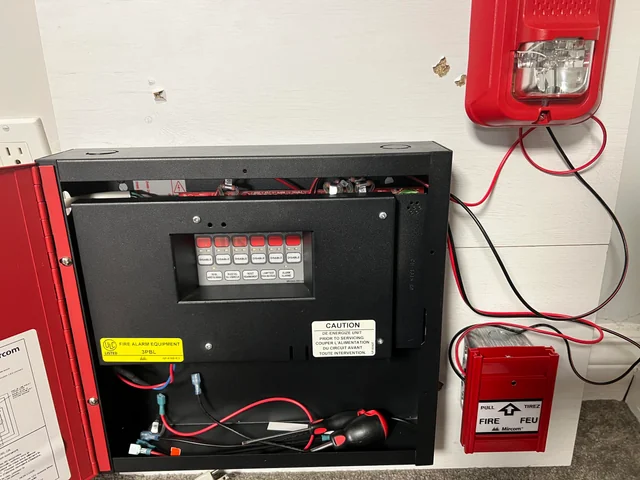
Conventional fire alarm systems are the most basic and commonly used fire detection solution, primarily suitable for smaller buildings or simple layouts. These systems divide a building into multiple zones, and each zone contains several devices such as smoke detectors, heat detectors, and manual call points. When one of these devices is triggered, the control panel sounds the alarm and identifies the zone where the trigger occurred. However, it does not provide specific information about the exact device that activated the alarm within the zone, which limits the precision of the system.
Key Features:
Cost-effective:Conventional systems are generally more affordable compared to other types of fire alarm systems, making them an attractive choice for budget-conscious property owners.
Simplicity: These systems are easy to install and operate, making them ideal for small buildings where precise location identification is not critical.
Limited detection: Since conventional systems only indicate the zone rather than the specific location of the triggered device, the response time may be slower compared to more advanced systems.
Best For:
Small residential buildings, small offices, retail shops, and other properties with simple layouts where minimal fire detection coverage is sufficient.
While conventional fire alarm systems are effective for straightforward applications, they may not be suitable for larger, more complex buildings where the need for faster response times and detailed location information is essential.
Addressable Fire Alarm Systems
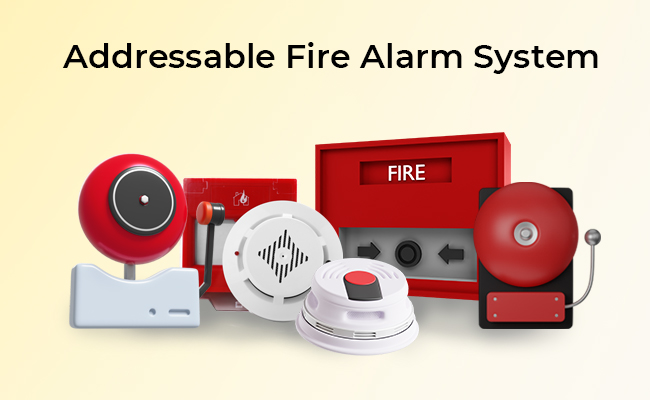
Addressable fire alarm systems offer a more advanced and precise method of fire detection compared to conventional systems. Each device, such as smoke detectors, heat sensors, and manual call points, is assigned a unique address. This allows the control panel to identify the exact location of a triggered device within a building, providing real-time information on the fire’s specific location. This capability makes addressable systems ideal for larger, more complex buildings where quick, accurate responses are critical.
Key Features:
Precise Location Identification: Unlike conventional systems that only provide zone-level alerts, addressable systems can pinpoint the exact device or sensor that has been triggered, allowing for faster, more targeted responses.
Scalability: These systems are highly flexible and can be expanded or modified to meet the evolving needs of a building. Additional devices can be added as the property grows or as safety requirements change.
Advanced Diagnostics: Addressable systems are equipped with self-diagnostics features, which allow for easier troubleshooting and maintenance by alerting users to faults or malfunctions in the system.
Customization: The system can be customized with different devices for different areas of the building, providing comprehensive coverage and ensuring that no area is left unprotected.
Best For:
Larger commercial properties, such as office buildings, hospitals, hotels, and educational institutions, where a higher level of accuracy and detailed information is necessary for quick response and evacuation.
Addressable fire alarm systems are particularly beneficial in environments where large-scale or multi-story buildings require detailed monitoring and fast action in the event of a fire. Their ability to provide precise location details greatly improves safety and ensures the quickest response to fire hazards.
Wireless Fire Alarm Systems
Wireless fire alarm systems are an innovative solution that utilizes radio frequency (RF) technology to transmit signals between fire detection devices and the control panel, without the need for extensive wiring. This makes them a convenient option for properties where traditional wired installations would be difficult or costly, such as buildings with complex layouts, historical buildings, or temporary structures. Wireless fire alarm systems offer flexibility, ease of installation, and are particularly useful for retrofitting existing buildings without disrupting the structure.
Key Features:
No Wiring Required: Wireless systems eliminate the need for extensive cabling, making them ideal for buildings with challenging layouts or where wiring installation is not feasible or desirable.
Flexibility and Scalability: Wireless systems are easily expandable and can be modified as needed. Devices can be relocated or added without major disruption to the building’s structure.
Quick Installation:Installation is faster and less disruptive than wired systems, which is especially important in occupied spaces or when upgrading existing buildings.
Reliable Communication: Modern wireless fire alarm systems use secure RF signals to ensure reliable communication between devices, with built-in redundancy to prevent signal loss or interference.
Cost-Effective for Retrofitting: Since they don’t require rewiring, wireless systems can be more cost-effective when upgrading older buildings or properties with difficult-to-wire areas.
Best For:
Older buildings, heritage sites, and structures where running cables would be difficult or disruptive. Also ideal for temporary or modular buildings, or properties undergoing renovations where minimal disruption is required.
While wireless systems offer significant advantages in terms of installation ease and flexibility, they do tend to be more expensive upfront than conventional wired systems. They also require regular battery checks for the wireless devices, as they rely on batteries to function. However, the benefits they offer in terms of adaptability, ease of installation, and maintenance make them an excellent choice for certain types of properties.
Hybrid Fire Alarm Systems
Hybrid fire alarm systems combine the best features of both wired and wireless fire alarm systems, offering a flexible and scalable solution for complex building layouts. These systems integrate both hardwired and wireless components to create a robust and reliable fire detection network. Hybrid systems are ideal for larger buildings or facilities where some areas are more suited to wired devices, while others may benefit from the flexibility of wireless devices. This combination allows for a customized approach that meets the specific needs of each area within a property.
Key Features:
Combination of Wired and Wireless Devices: Hybrid systems use both wired devices for areas where wiring is easy or necessary and wireless devices for hard-to-wire or remote areas. This allows the system to optimize coverage and reliability across the entire building.
Flexible Installation: Hybrid systems can be tailored to different areas of a building. For example, wired components can be installed in areas with existing infrastructure, while wireless devices can be used in areas where running cables is impractical or expensive.
Redundancy and Reliability: The integration of both wired and wireless components ensures greater reliability. If one system (wired or wireless) experiences issues, the other can continue to function, ensuring uninterrupted protection.
Scalability and Future-Proofing: As the building evolves or if additional areas need protection, the system can be expanded with additional wired or wireless devices as required. This provides a long-term solution for growing properties.
Cost-Effective: While hybrid systems might require a higher initial investment compared to fully wireless systems, they often offer a more cost-effective solution than fully wired systems, especially for large or complex buildings.
Best For:
Large commercial buildings, schools, hospitals, and multi-story properties where a combination of wired and wireless devices will provide the best coverage. Hybrid systems are also ideal for properties undergoing renovations or expansions where wiring may only be feasible in certain areas.
Hybrid fire alarm systems offer the flexibility of wireless technology with the reliability of wired systems, providing an adaptable and scalable solution for a wide range of building types. They are particularly useful when dealing with complex layouts or when the property is undergoing changes, allowing for seamless integration of both wired and wireless components to ensure comprehensive fire safety coverage.
Choosing the Right Type for Your Needs
Selecting the right fire alarm system is crucial for ensuring the safety of your property and its occupants. Different types of fire alarm systems offer varying levels of coverage, sophistication, and installation requirements, so it’s essential to consider the specific needs of your building, budget, and future expansion plans when making a decision. Here’s a guide to help you determine the best fire alarm system for your property:
1. Building Size and Layout:
For smaller buildings with straightforward layouts, a conventional fire alarm system might be sufficient. This system is cost-effective and easy to install, making it ideal for smaller homes, offices, and retail spaces.
For larger, more complex buildings, an addressable fire alarm system provides the level of detail and accuracy required for quick response times. This system can pinpoint the exact location of a fire and is well-suited for multi-story buildings, commercial properties, or institutions.
2. Installation Flexibility and Disruption:
If you are working with an older building or a space that cannot accommodate extensive wiring, a wireless fire alarm system is a good option. Wireless systems are ideal for retrofitting properties where running cables is difficult or where minimal disruption is desired.
For properties where a mixture of wired and wireless solutions is necessary, such as in multi-building campuses or large offices, a hybrid fire alarm system offers the flexibility to use both types of devices to optimize coverage across the property.
3. Budget and Cost Considerations:
Conventional systems are the most budget-friendly, making them the best choice for small properties or those on a tighter budget. However, they may not provide the level of detail and response time required for larger or more complex buildings.
Wireless systems tend to be more expensive upfront, but they can save on installation costs and are ideal for situations where running cables is impractical.
Addressable and hybrid systems may come at a higher cost due to their advanced features, but they provide greater precision, scalability, and reliability in larger or high-risk environments.
4. Future Expansion and Scalability:
If you anticipate future expansion or modifications to your building, an addressable or hybrid fire alarm system may be the best choice due to their scalability. These systems allow you to add devices or extend coverage as the property grows or changes.
Wireless systems also offer good scalability and can be expanded or modified easily, making them a flexible solution for buildings that may evolve over time.
Ultimately, the right fire alarm system depends on your specific needs, building type, and long-term goals. It’s important to consult with fire safety professionals who can assess your property and recommend the most suitable system to ensure optimal safety and compliance with local regulations. By carefully evaluating these factors, you can make an informed decision and ensure that your fire alarm system provides the necessary protection for your building and its occupants.
Steps for Installing a Fire Alarm System
Installing a fire alarm system requires careful planning and execution to ensure that it provides maximum protection and complies with safety standards. Below is a detailed breakdown of the essential steps involved in the installation process:
Conducting a Fire Risk Assessment of Your Property
Before installing any fire alarm system, a comprehensive fire risk assessment must be carried out. This step involves evaluating the property for potential fire hazards, identifying high-risk areas, and determining the best locations for installing sensors and alarm devices. The assessment should consider:
Building Layout: Understanding the size, floor plan, and the types of rooms or areas (e.g., kitchens, storage spaces, electrical rooms) helps identify the most vulnerable locations.
Occupancy: The number of people regularly occupying the space and how quickly they can evacuate in case of a fire.
Hazardous Materials: If there are any dangerous or flammable substances, specific measures must be taken to address these risks.
Exit Routes: Ensuring that the fire alarm system will provide enough time for safe evacuation by triggering alarms well before evacuation routes become unsafe.
Local Regulations: Complying with fire safety laws and building codes in your area is crucial during the risk assessment.
This risk assessment forms the foundation for designing the fire alarm system and ensuring that every corner of the property is adequately covered.
Designing a Customized Fire Alarm System Layout
After the risk assessment, the next step is to design a tailored fire alarm system layout. This layout takes into account the specific needs of the property and ensures that all high-risk areas are adequately protected. The design should include:
Placement of Detectors: Identifying the best locations for smoke, heat, and carbon monoxide detectors based on the building’s layout, occupancy, and risk levels. Detectors should be placed where they can most effectively identify a fire early.
Zones and Areas: The building should be divided into zones to help with easier identification of the location of a triggered alarm. This is particularly important for larger buildings.
Control Panel Location: The control panel should be easily accessible, usually near the entrance or a central location where it can be quickly monitored and controlled in case of an emergency.
Integration: If the fire alarm system will integrate with other safety systems, such as emergency lighting, sprinklers, or access control systems, the design should account for this to ensure seamless operation in the event of a fire.
By customizing the fire alarm layout, you ensure maximum effectiveness and quick response times in the event of an emergency.
Selecting High-Quality Fire Alarm Equipment
Choosing the right equipment is crucial to the performance of your fire alarm system. High-quality, reliable devices can make the difference between an effective fire response and a system that fails when needed most. Key considerations when selecting fire alarm equipment include:
Sensors and Detectors: Opt for smoke detectors, heat detectors, and carbon monoxide detectors that meet local safety standards and have a proven track record of performance.
Control Panel: The control panel should be from a reputable brand and should support the features and functionality required for the property (e.g., addressable, wireless, hybrid).
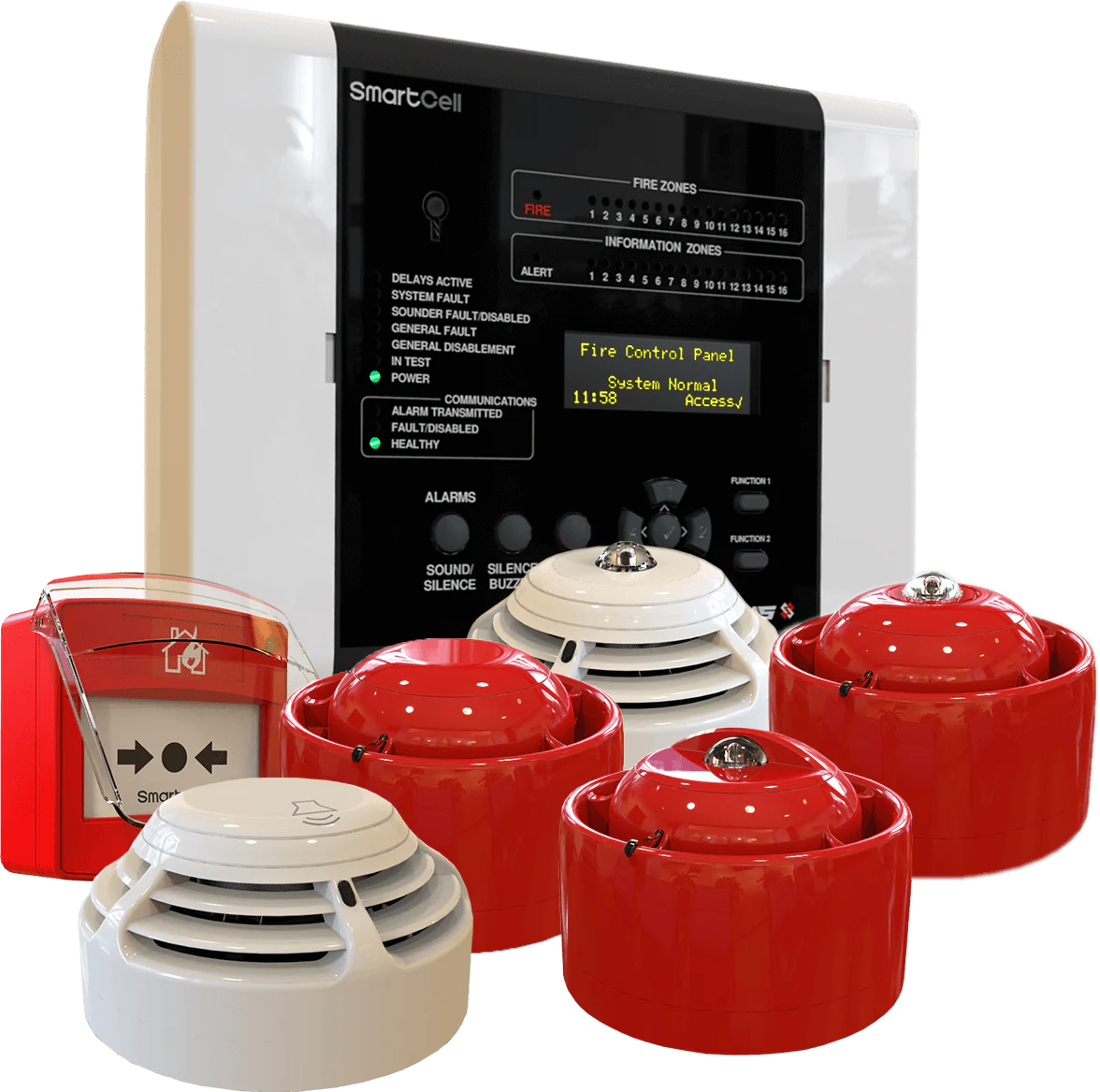
Sounders and Visual Indicators: Audible alarms should be loud enough to be heard throughout the building, and visual indicators (such as flashing lights) should be placed where they are visible to everyone, including those with hearing impairments.
Wiring and Accessories: Ensure that the wiring and other accessories, such as mounting brackets and power supplies, are durable and meet the requirements of your fire alarm system layout.
Using quality components ensures that the system is dependable and long-lasting, reducing maintenance issues and increasing overall safety.
Installation Process: Placement of Sensors and Control Panels
The installation process is a critical stage where the fire alarm system is physically set up. Depending on the type of system (wired, wireless, or hybrid), the installation steps will vary slightly, but the basic process remains similar:
Sensor Placement: Start by placing sensors and detectors in the locations identified during the design phase. Ensure that detectors are mounted at the correct height and positioned to cover the required area, taking into account airflow, obstacles, and risk factors.
Wiring (for Wired Systems): For wired systems, run the necessary cables from the detectors to the control panel. Ensure all wiring is properly insulated and hidden to prevent accidental damage or tampering.
Control Panel Installation: Install the control panel in an easily accessible area, ensuring that it is connected to the sensors and alarm devices. The control panel must be set up to communicate effectively with all connected devices.
Wireless Devices Setup: For wireless systems, place devices where needed, ensuring a strong communication signal between detectors, control panels, and sounders. Test the communication range and make any necessary adjustments to optimize the system’s reliability.
System Testing and Certification
After the installation is complete, it is crucial to thoroughly test the system to ensure everything works as expected. Testing should include:
Alarm Test: Trigger each sensor and check whether the control panel detects it accurately. Ensure that the alarm sounders activate at the correct volume and location.
Connectivity Test: For addressable and wireless systems, test the communication between sensors and the control panel to confirm reliable signal transmission.
Battery Backup Test: Ensure that the backup battery is fully charged and that the system functions properly in the event of a power failure.
Compliance Check: Verify that the installation complies with local fire safety regulations and building codes. The system should meet the necessary legal standards for fire safety in your region.
Once the system passes all tests, it should be certified by a qualified fire safety expert. This certification proves that the system is compliant and reliable for protecting the property and its occupants.
Benefits of Installing a Fire Alarm System
Installing a fire alarm system in your property provides significant benefits, ranging from enhanced safety to long-term financial savings. A well-designed and maintained system plays a vital role in minimizing risks, protecting lives, and preserving property. Let’s explore these advantages in more detail:
Early Detection of Fires for Quick Response
One of the primary benefits of a fire alarm system is its ability to detect fires early. Early detection is crucial because it allows for:
Quick Response: The sooner a fire is detected, the faster the emergency services or building occupants can respond, potentially preventing the fire from escalating.
Prevention of Extensive Damage: With early detection, property damage can be minimized by either extinguishing the fire in its early stages or allowing occupants to evacuate before smoke or flames spread.
Time to Evacuate Safely: Early alerts give enough time for everyone inside the building to evacuate safely, especially in large buildings where getting to safety may take time.
In essence, early detection is key to saving lives and preventing catastrophic damage to both property and personal belongings.
Enhanced Safety for Occupants and Property
Fire alarm systems significantly enhance the overall safety of a building, both for its occupants and the property itself. Some ways they improve safety include:
Alerting Occupants: In commercial or residential buildings, fire alarms provide immediate alerts to people inside, even if they are asleep or otherwise unaware of a fire.
Integration with Other Safety Systems: Many fire alarm systems can be integrated with other safety systems, such as emergency lighting, sprinklers, and access control, creating a more comprehensive safety infrastructure.
Continuous Monitoring: Modern fire alarm systems offer 24/7 monitoring, meaning that if a fire breaks out while no one is around, the system will still detect the issue and notify emergency responders.
With these measures, fire alarm systems provide peace of mind, knowing that the safety of both the building and its inhabitants is secured.
Compliance with Safety Regulations and Building Codes
Fire alarm systems are often mandated by local fire safety regulations and building codes, particularly in commercial or multi-unit residential properties. Installing a fire alarm system ensures:
Meeting Legal Requirements: Many regions require fire alarms in specific types of buildings. Failing to comply with these regulations could lead to penalties or legal liabilities.
Passing Safety Inspections: Buildings that are equipped with certified fire alarm systems are more likely to pass safety inspections, which are often required for both occupancy permits and insurance purposes.
Avoiding Penalties and Liabilities: Compliance with fire safety regulations helps avoid costly fines and legal repercussions. It also protects the property owner from liability if an incident occurs and it is found that the building was not properly equipped with fire safety systems.
By installing a fire alarm system, property owners ensure they are following the law while also prioritizing safety.
Reduction in Insurance Costs
Insurance premiums can be significantly reduced by installing a fire alarm system. Many insurance companies offer discounts or lower premiums to property owners who have comprehensive fire protection systems in place. The reasons for this include:
Reduced Risk: A property with a reliable fire alarm system is considered less risky, which translates to lower insurance costs. Insurance companies recognize the reduced likelihood of major damage or loss due to early detection.
Faster Response Time: The faster a fire is detected and dealt with, the less severe the damage is likely to be. This reduces the overall potential payout for insurance claims.
Peace of Mind for Insurers: Insurers prefer properties with fire alarm systems as they offer a clear line of defense. This helps to lower the risk of large claims and ensures that the building owner is proactive about protecting their investment.
By installing a fire alarm system, property owners not only protect their building but can also enjoy substantial financial benefits through reduced insurance premiums.
Long-Term Cost Savings Through Prevention
Investing in a fire alarm system leads to long-term cost savings by preventing large-scale damage caused by fires. These savings stem from:
Preventing Property Damage: Early detection can help limit the fire’s spread, reducing the need for expensive repairs or rebuilding. This helps preserve the property's value and ensures that valuable assets are protected.
Lower Maintenance Costs: A fire alarm system that is professionally installed and maintained can last for many years, with minimal maintenance required. Regular inspections and testing ensure that the system remains in top working condition.
Reduced Risk of Legal Fees and Compensation: Should a fire cause significant damage or harm, without an installed fire alarm system, the property owner may face legal action and claims for compensation. A fire alarm system significantly lowers this risk by demonstrating that reasonable precautions were taken to prevent harm.
Ultimately, the cost of installing and maintaining a fire alarm system is far outweighed by the savings generated from reducing risks, avoiding costly repairs, and preventing potential legal action
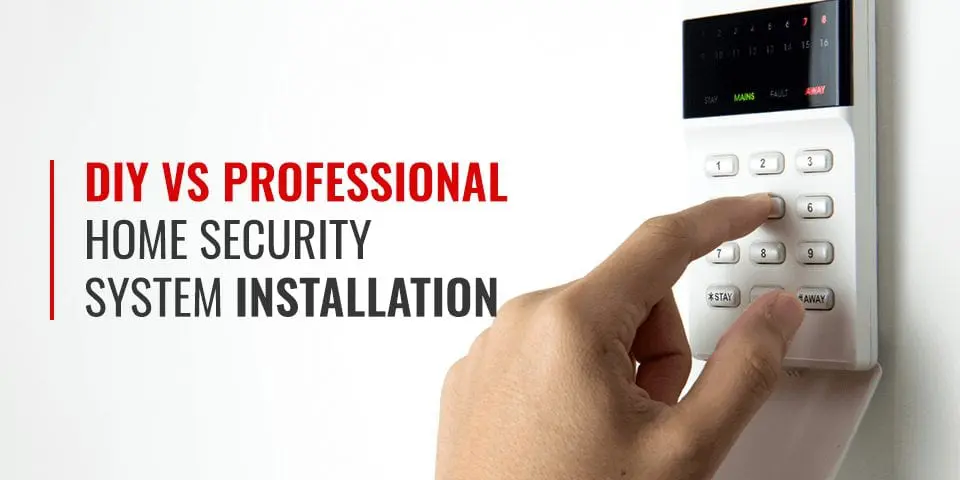
Professional Fire Alarm System Installation vs. DIY
When considering installing a fire alarm system, property owners often face the decision of whether to hire a professional installation service or attempt the installation themselves. Both options come with their own set of advantages and challenges. Understanding the key differences between professional services and DIY installation can help you make the best choice for your property.
Why Choose Professional Installation Services
Opting for professional fire alarm system installation offers several significant advantages, including:
Expertise and Experience: Professionals have the necessary training and experience to design, install, and maintain fire alarm systems. They are well-versed in the latest industry standards, local safety regulations, and fire codes. A professional installer ensures the system is tailored to your property’s specific needs and complies with safety requirements.
Accurate System Design: Fire alarm installation is not just about placing a few devices around the building; it involves careful consideration of layout, coverage areas, sensor placement, and system integration. Professionals take into account factors like building size, layout, and potential hazards to ensure your fire alarm system functions optimally. Time and Efficiency: Professional installers can complete the job in a fraction of the time it would take for a DIY installation. With their experience, they can swiftly identify the best locations for sensors, control panels, and wiring, minimizing disruptions to your daily routine.
Compliance with Regulations: A professionally installed fire alarm system ensures compliance with local safety codes and building regulations. Failure to comply with these requirements can result in penalties or failed safety inspections, which professionals are familiar with handling. System Testing and Certification: Professionals not only install the system but also test its functionality to ensure it works properly. They also provide certification that the system meets safety standards, offering peace of mind that the installation is safe and reliable.
Risks Associated with DIY Installation
While DIY installation might seem like a cost-saving option, it comes with several potential risks and challenges:
Incorrect System Design: Without professional knowledge, there’s a higher likelihood of misjudging the correct placement of sensors or control panels. Improper positioning can lead to ineffective coverage, leaving areas of your property unprotected in case of a fire. Non-Compliance with Regulations: DIY installations might not meet local building codes or safety standards. Without a professional understanding of these regulations, you could be unknowingly violating fire safety laws, risking penalties or legal consequences. This can also affect your ability to pass fire safety inspections. Wasted Time and Resources: Installing a fire alarm system without the proper tools or knowledge can result in wasted time, effort, and money. Missteps in installation could require expensive repairs or additional purchases of equipment to rectify mistakes. Potential for Faulty Installation: DIY installations carry a higher risk of faulty connections, poor wiring, or malfunctioning components. If the system doesn’t work properly or fails to alert you in case of a fire, it could have disastrous consequences, endangering the lives and property of those inside. Lack of Warranty or Support: Most fire alarm manufacturers offer warranties and ongoing support for professionally installed systems. In contrast, DIY installations may not be eligible for warranty protection or may lack access to professional support in case something goes wrong with the system.
Comparison of Costs Between Professional and DIY Installations
When considering the costs, it’s essential to weigh both the upfront expenses and long-term value:
Professional Installation Costs
Higher Initial Cost: Professional fire alarm system installation typically comes with a higher upfront cost due to the labor, expertise, and equipment required. The cost of professional installation will depend on the complexity of the system, the size of the property, and the level of customization needed.
Added Value: The investment in professional installation adds long-term value, ensuring the system is fully functional, compliant, and able to provide the highest level of protection. It also includes the cost of system testing, certification, and post-installation support.
Maintenance and Support: Many professional services offer maintenance packages and ongoing support for the system, helping to keep the fire alarm in optimal condition. This often includes regular inspections and updates, ensuring that the system remains reliable.
DIY Installation Costs
Lower Upfront Cost: DIY installation typically has a lower initial cost, as you only pay for the equipment and any materials required. You’ll avoid labor fees, which can make DIY seem like an affordable option.
Potential Hidden Costs: While the upfront cost may be lower, DIY installation can lead to hidden expenses such as repairing mistakes, purchasing additional tools, or replacing improperly installed components. These costs can quickly add up, potentially surpassing the cost of professional installation.
No Maintenance or Support: With a DIY system, you won’t have access to professional support for troubleshooting or maintenance. This could result in additional costs in case the system malfunctions or requires repairs.
Making the Right ChoiceWhile DIY installation may seem tempting due to its lower upfront cost, professional fire alarm system installation offers greater value in the long run. The expertise, compliance with regulations, and post-installation support provided by professionals far outweigh the potential risks and hidden costs of a DIY approach. Choosing a professional installation ensures your fire alarm system is installed correctly, providing peace of mind and reliable protection for years to come.
Factors to Consider When Installing a Fire Alarm System
Choosing the right fire alarm system and installing it correctly involves evaluating several important factors to ensure the system provides optimal safety and functionality. The following considerations will help guide your decision-making process:
Building Type and Size
The type and size of your building play a crucial role in determining the fire alarm system that best suits your needs. A large commercial building will have different requirements than a small residential property. Key aspects to consider include:
Building Layout: A multi-story building with multiple rooms, hallways, and different usage areas (offices, kitchens, etc.) requires a more complex fire alarm system than a single-story home.
Coverage Area: Larger buildings need a greater number of sensors and control panels to ensure full coverage. The number of fire alarms will increase based on the square footage and the number of rooms or zones.
Risk Factors: High-occupancy buildings or those with specific hazards (e.g., hospitals, factories, or chemical plants) may require specialized fire alarm systems with more advanced detection capabilities.
For smaller residential properties, a more straightforward fire alarm system may suffice. However, for larger or more complex buildings, a detailed design plan will be necessary to ensure complete protection.
Regulatory Requirements and Standards in Kenya
In Kenya, fire alarm systems must adhere to local fire safety regulations and building codes. Compliance with these standards ensures that the system functions properly and that your property is safe from fire risks. Here’s what you should consider:
Kenyan Fire Safety Laws: The Kenyan Fire and Rescue Service and local authorities have specific regulations governing fire safety in buildings. These rules outline the minimum requirements for fire alarm systems, including the placement of sensors, control panels, and emergency exits.
Building Codes and Fire Safety Audits: Your building’s design must comply with fire safety standards as per Kenya’s building codes. This includes installation procedures, device types, and even the location of alarm sounders or strobe lights.
Certification and Inspections: The fire alarm system must be certified by a professional installer who ensures it meets safety codes. Regular inspections are also needed to maintain compliance and ensure the system is functional.
By adhering to these regulatory requirements, you ensure that your fire alarm system is legally compliant and fully operational in the event of a fire emergency.
Budget and Available Financing Options
The cost of installing a fire alarm system can vary widely depending on factors such as the size of the property, the complexity of the system, and the type of fire alarm selected. Here are key considerations regarding budgeting:
Upfront Costs: The initial installation cost will include both equipment (sensors, control panels, wiring) and labor. The type of system you choose will influence these costs, with addressable or hybrid systems typically being more expensive than conventional ones.
Ongoing Costs: In addition to installation, you’ll need to account for maintenance and testing. These services help ensure that your fire alarm system remains in good working order and compliant with safety standards.
Financing Options: Many professional installation companies offer financing options or payment plans, which can help make the initial cost more manageable. Alternatively, there may be grants or incentives available for businesses or properties located in high-risk areas.
It’s essential to get quotes from different service providers and factor in long-term maintenance when calculating your budget to ensure the system remains effective throughout its lifespan.
Integration with Other Security and Safety Systems
A modern fire alarm system can be integrated with other safety and security systems to provide more comprehensive protection. Consider the following integrations:
Security Systems: Fire alarms can be linked to your building’s existing security system, such as CCTV cameras, access control systems, and security alarms. This ensures that in the event of a fire, the system can automatically trigger security alerts and notify emergency responders.
Building Management Systems (BMS): For larger commercial properties, a fire alarm system can be integrated with the BMS to provide centralized control over various safety systems (e.g., HVAC, lighting, and elevators). This integration ensures that the building’s systems work together to mitigate fire risks and protect occupants.
Emergency Evacuation Systems: Integration with public address systems or emergency exit signage can help ensure the safe evacuation of building occupants in the event of a fire. This integration provides clear, timely instructions on where to exit and how to reach safe zones.
While integration adds complexity and cost, it greatly enhances the effectiveness and responsiveness of the overall safety system, offering more robust protection.
Ongoing Maintenance and Support Needs
A fire alarm system is a long-term investment in the safety of your property, so ongoing maintenance is critical to ensure its continued performance. Key considerations for maintenance include:
Regular Testing and Inspections: To ensure your fire alarm system is fully functional, it must be tested and inspected periodically. This includes checking for faults, testing sensors, and verifying that the control panels are operating correctly. Many professional installers offer maintenance services to keep your system in good working order.
Battery Replacement: If your fire alarm system includes battery-powered components (such as smoke detectors), it’s essential to replace the batteries regularly to avoid false alarms or system failures.
Upgrades and System Updates: As technology evolves, fire alarm systems may need to be updated to maintain compliance with new regulations or to incorporate advancements in fire safety technology. Upgrades may include replacing outdated components or installing additional sensors in newly constructed areas of your property.
Emergency Support: In case of system malfunctions or emergencies, it’s essential to have access to 24/7 support from your installation provider. Ensure that the installer offers ongoing support, including troubleshooting, system repairs, and emergency responses.
By establishing a maintenance schedule and ensuring access to support services, you can maximize the longevity and reliability of your fire alarm system, ensuring your property remains protected for years to come.
Fire Alarm Installation Costs in Kenya
The cost of installing a fire alarm system in Kenya can vary significantly based on a range of factors. It’s important to consider both the upfront costs of purchasing the system and the long-term costs related to installation, maintenance, and upgrades. The following sections break down the key factors influencing fire alarm installation costs, provide an overview of average costs, and highlight affordable packages available from Mwanga.
Factors Influencing the Cost of Fire Alarm Systems
Several factors can affect the cost of a fire alarm system installation, including:
Type of Fire Alarm System: The complexity of the system will influence the overall cost. Conventional systems are typically more affordable than addressable or wireless systems. Hybrid systems, which combine both conventional and addressable technologies, can also be more expensive due to their advanced features.
Building Size and Layout: Larger buildings with multiple floors or complex layouts require more sensors, control panels, and wiring, which increases installation costs. Additionally, buildings with more intricate designs may require customized systems to ensure full coverage.
Type of Equipment Used: High-quality equipment from trusted brands or additional features (e.g., smoke and heat detectors, emergency lighting, or manual call points) will raise the overall cost. Advanced systems with smart capabilities or integration with other security measures will also contribute to higher costs.
Labor and Installation Complexity: The labor costs will depend on the complexity of the installation process, including how many professionals are required and the time taken to complete the installation. Complex or customized systems may require more specialized labor, thus increasing costs.
Maintenance and Monitoring Services: Ongoing costs for regular maintenance, testing, and monitoring services also impact the overall cost of fire alarm installation. Some service providers offer maintenance packages that include regular inspections and emergency support, which could be factored into the installation cost.
Average Installation Costs for Homes and Businesses
While costs can vary depending on the factors mentioned, here are some general guidelines for the average cost of fire alarm system installation in Kenya:
Residential Properties:
Small Homes (1–2 bedrooms): The installation cost for a basic conventional fire alarm system typically ranges between KES 25,000 and KES 50,000. For more advanced systems with additional sensors or a hybrid setup, costs can go up to KES 70,000 to KES 100,000.
Larger Homes (3+ bedrooms): For bigger properties with multiple rooms or floors, the cost can range from KES 50,000 to KES 150,000, depending on the complexity of the system and the number of sensors and detectors needed.
Commercial Properties:
Small Businesses/Offices: For small businesses or office spaces with an area of up to 500 square meters, the cost can range between KES 80,000 and KES 200,000 for a conventional system. More sophisticated systems, such as addressable or hybrid systems, can cost upwards of KES 250,000.
Larger Businesses/Complexes: For large-scale commercial buildings or warehouses, the cost can range from KES 200,000 to KES 500,000, with larger installations (e.g., malls, factories, or hotels) exceeding KES 500,000.
These costs cover the installation of basic components such as smoke detectors, control panels, alarms, and wiring. Additional services like integration with other security systems, monitoring, and ongoing maintenance can increase the overall cost.
Affordable Fire Alarm Installation Packages from Mwanga
Mwanga offers a variety of affordable fire alarm installation packages designed to meet the needs of both residential and commercial clients. These packages include everything from basic installations to advanced systems, with options to suit different budgets:
Basic Package: Ideal for small homes or businesses looking for essential fire protection. This package includes:
Installation of conventional fire alarms
Basic sensors (smoke and heat detectors)
Control panel and alarm system
System testing and certification
Price: KES 25,000 to KES 50,000 (depending on the size and layout)
Standard Package: A mid-range option for homes or businesses requiring a more comprehensive system. This package includes:
Installation of addressable or wireless fire alarms
Additional sensors for improved coverage
Integration with emergency lighting or evacuation systems
One year of maintenance and support
Price: KES 70,000 to KES 150,000
Premium Package: Designed for larger properties or businesses that need a high-end, customized fire alarm system. This package includes:
Hybrid fire alarm system for complex layouts
Full integration with building management systems (BMS) or other security systems
Ongoing monitoring and 24/7 support
Comprehensive maintenance and testing plan
Price: KES 200,000 and above
Mwanga’s packages are flexible and customizable to suit your property’s needs, with options for both one-time payments or financing options to make the investment more manageable. Additionally, Mwanga’s experienced team will assist in selecting the best system based on your specific requirements, ensuring that your fire alarm system is efficient, reliable, and cost-effective.
By choosing Mwanga, you can ensure that your property is equipped with the latest fire alarm technology while staying within your budget.
Why Choose Mwanga for Fire Alarm System Installation?
When it comes to fire alarm system installation, choosing a trusted and experienced provider is crucial for ensuring the safety of your property and its occupants. Mwanga stands out as a reliable provider of fire safety solutions in Kenya, offering top-notch services and products tailored to meet your specific needs. Below are the reasons why you should choose Mwanga for your fire alarm system installation:
Expertise in Fire Safety and Security Solutions
Mwanga has extensive experience in providing fire safety and security solutions, with a deep understanding of local and international safety standards. The team at Mwanga comprises highly trained professionals who are knowledgeable about the latest fire alarm technologies and installation techniques. Their expertise ensures that every installation is performed efficiently and effectively, adhering to safety regulations and guidelines to provide maximum protection for your property. Whether you are a homeowner or a business owner, you can trust Mwanga to design and implement the best fire alarm system tailored to your specific needs.
High-Quality Equipment and Trusted Brands
At Mwanga, we only work with the highest quality equipment from trusted brands in the fire safety industry. This includes advanced fire alarm systems, sensors, control panels, and other related components that meet the highest standards of performance and durability. Mwanga’s fire alarm systems are sourced from reputable manufacturers known for their reliability and innovation. By choosing Mwanga, you ensure that your system is equipped with the best technology to provide early detection and swift response in the event of a fire.
Affordable Pricing and Customizable Packages
Mwanga offers competitive pricing for fire alarm system installations, making top-tier fire safety solutions accessible for homes and businesses of all sizes. With a range of packages to choose from, Mwanga ensures that you can find a solution that fits both your budget and requirements. The company’s flexible pricing models, including payment plans and customizable installation options, make it easier to protect your property without breaking the bank. From basic systems to sophisticated hybrid setups, Mwanga’s affordable pricing ensures value for money and peace of mind.
Professional Installation and Post-Installation Support
One of the main advantages of working with Mwanga is their commitment to professionalism throughout the installation process. The experienced team takes care of every aspect of the installation, ensuring that your fire alarm system is set up quickly, efficiently, and with minimal disruption to your daily activities. Mwanga also offers comprehensive post-installation support, including system testing, ongoing maintenance, and emergency services. Their dedicated support team is available to assist with any issues or updates, providing you with long-term peace of mind.
Positive Customer Feedback and Case Studies
Mwanga has built a strong reputation for delivering reliable and effective fire alarm installations, as evidenced by the positive feedback from satisfied customers. Many clients have shared their experiences, highlighting the company’s professionalism, attention to detail, and commitment to safety. Mwanga’s portfolio includes numerous case studies showcasing successful installations for both residential and commercial properties. These real-life examples serve as a testament to the company’s expertise and reliability in providing fire alarm systems that meet diverse needs and ensure safety at all times.
FAQs About Fire Alarm System Installation
When considering the installation of a fire alarm system, it's essential to have a clear understanding of the process, costs, and benefits. Below are some of the most frequently asked questions (FAQs) about fire alarm system installation:
How do I know which fire alarm system is right for my property?
The right fire alarm system for your property depends on several factors, including the size, layout, and type of building. During the fire alarm system installation process, a professional will conduct a fire risk assessment to determine the best solution for your needs. They will evaluate factors such as the number of rooms, the presence of high-risk areas, and the type of environment (residential or commercial) to recommend the most suitable system. Whether you choose a conventional, addressable, or wireless fire alarm system, the goal is to ensure maximum protection.
How long does it take to install a fire alarm system?
The time required for fire alarm system installation varies depending on the complexity of the system and the size of your property. For a small residential property, the installation may take as little as a few hours, while larger commercial buildings may take one to two days. The installation process includes a fire risk assessment, designing the system layout, placing the equipment, and performing system testing. A professional installer will provide you with an estimated time frame before the work begins.
Can fire alarm systems be integrated with other safety systems?
Yes, fire alarm systems can often be integrated with other security and safety systems such as CCTV, intruder alarms, and access control systems. Integration allows for a more comprehensive approach to building safety and ensures that different systems work in tandem during an emergency. When planning fire alarm system installation, it is important to discuss integration options with your installer to ensure all systems are compatible and function as a unified solution for your property’s protection.
What is the lifespan of a fire alarm system?
The lifespan of a fire alarm system can vary depending on the type of system, the quality of the components, and the level of maintenance. On average, most fire alarm systems are designed to last between 10 to 15 years. However, regular maintenance, including testing and replacing batteries or faulty components, can extend the system’s lifespan. It's important to schedule periodic inspections to ensure that your fire alarm system installation remains effective over time.
How often should fire alarm systems be tested or maintained?
Fire alarm systems should be tested regularly to ensure they are functioning properly. The frequency of testing may depend on the type of system and the regulations in your area. Typically, it is recommended to test the system monthly and have a professional inspection at least once a year. During fire alarm system installation, your installer will provide you with maintenance guidelines and recommend a schedule for routine testing. Regular maintenance will help prevent false alarms and ensure the system works effectively during emergencies.
Are fire alarm systems required by law?
Yes, in many regions, fire alarm system installation is required by law, especially in commercial buildings and multi-unit residential complexes. Compliance with local fire safety regulations and building codes is essential to avoid penalties and ensure the safety of your property. The regulations may vary depending on the size and type of building, so it’s important to check with local authorities or consult a professional installer to ensure that your system meets all legal requirements.
What should I do if my fire alarm system goes off?
If your fire alarm system goes off, it is important to follow the emergency procedures specific to your building. Ensure everyone in the building evacuates immediately and proceeds to the designated safe area. If the system is connected to a central monitoring service, they will notify the relevant authorities. It’s also important to perform regular checks to ensure that the system is in good working condition so that in the event of an actual emergency, the response is timely and efficient.
Can I install a fire alarm system myself, or do I need a professional?
While it is technically possible to install a basic fire alarm system yourself, it is highly recommended to hire a professional for proper installation. A professional installer has the expertise to assess your property, design a system layout, and ensure that all components are correctly placed and functional. Improper installation could result in missed coverage, false alarms, or system failures. Professional fire alarm system installation ensures that your system is reliable, compliant with local codes, and optimally configured for safety.
Conclusion
Installing a fire alarm system is a crucial step in ensuring the safety of both your property and its occupants. Fire alarm systems provide early detection of fires, allowing for a quick response to prevent major damage, injuries, or loss of life. By investing in a reliable fire alarm system, you can significantly reduce the risk of fire-related incidents while complying with safety regulations and building codes. Regular maintenance and professional installation ensure that the system remains effective and ready for action when needed most.
Mwanga stands out as the best choice for fire alarm system installation because of its expertise in fire safety and security solutions. With years of experience, Mwanga offers high-quality equipment, trusted brands, and customizable installation packages that fit the unique needs of each customer. Their team of skilled professionals ensures that your fire alarm system installation is done accurately, efficiently, and according to safety standards. Additionally, Mwanga’s post-installation support provides peace of mind, knowing that your system will be maintained for optimal performance.
For expert fire alarm installation services, contact Mwanga today. Their commitment to safety, customer satisfaction, and affordable pricing makes them the perfect partner for protecting your property. Don’t wait for an emergency—ensure your safety with a professional fire alarm system installed by Mwanga. For more information, visit their website at Mwanga Fire Alarm Installation.