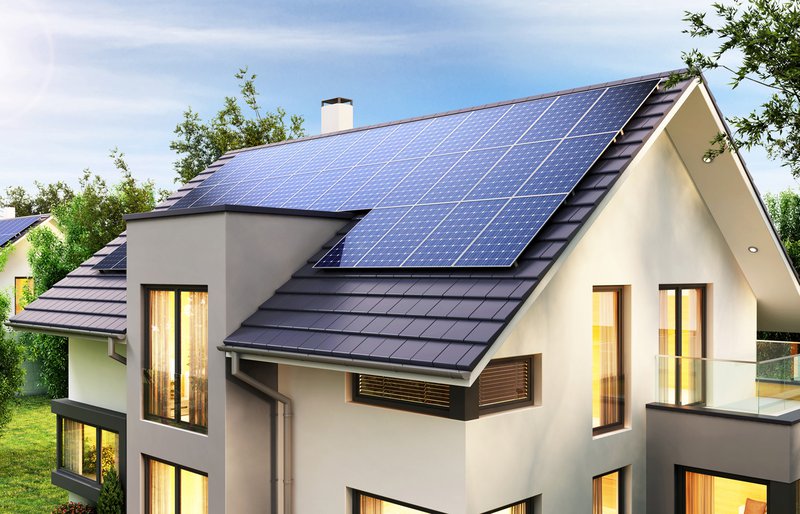
Explore top Kenya solar companies for affordable, eco-friendly energy solutions. Power your home or business with reliable solar options today...
Table of Contents
The growing demand for solar energy in Kenya is driven by the country's need for sustainable and affordable energy solutions. With an increasing population and frequent power shortages, many individuals and businesses are turning to solar power as a reliable alternative. Solar energy is especially appealing in rural areas, where access to the national grid can be limited, providing a practical and eco-friendly solution.
Choosing the right solar company is crucial for ensuring effective energy solutions. The complexity of solar installations and the need for long-term reliability make selecting a trustworthy provider essential. A reputable solar company can guide you through the process, from consultation and system design to installation and ongoing maintenance, ensuring that your investment is worthwhile and meets your energy needs.
This guide will explore the top solar companies in Kenya and highlight the various offerings available. It will delve into the services provided by companies like Mwanga, who lead the way in solar solutions, and compare other notable providers in the market. Additionally, the guide will outline key factors to consider when choosing a solar company and provide insights into the types of solar systems that best suit different energy needs.
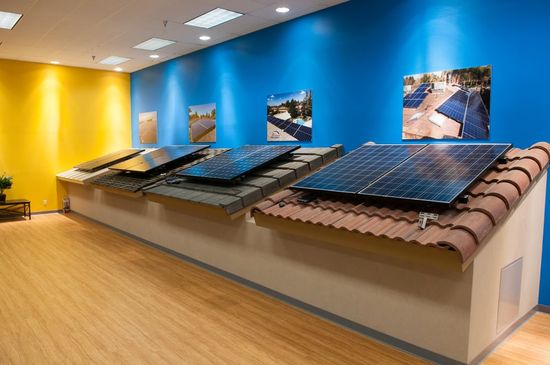
Kenya has seen a significant rise in the adoption of solar energy, with many companies offering a range of solutions to meet the diverse needs of residential, commercial, and industrial clients. Among the leaders in this sector is Mwanga, a company known for its comprehensive solar energy solutions. Mwanga stands out not only for its innovative approach but also for its dedication to sustainability and customer satisfaction. In this section, we’ll break down the reasons why Mwanga is considered one of the top solar companies in Kenya.
Mwanga is a prominent player in Kenya's solar energy landscape, offering cutting-edge solar solutions that cater to both residential and commercial customers. What sets Mwanga apart is its unwavering commitment to providing reliable, cost-effective, and eco-friendly energy solutions. The company has established itself as a trusted brand in the market, helping thousands of customers reduce their reliance on the national grid while also contributing to the reduction of carbon footprints.
Comprehensive Solar Services: Mwanga offers end-to-end solar energy solutions, from consultation and design to installation and maintenance. The company’s approach ensures that each project is tailored to meet the specific energy needs of the customer, optimizing system efficiency and performance. Mwanga’s highly skilled team of engineers and technicians ensure that every installation is completed to the highest standards, providing lasting value and reliability.
Top-Quality Solar Products: One of the key factors behind Mwanga's success is its use of high-quality, durable solar panels and equipment sourced from reputable manufacturers. By only using premium components, Mwanga ensures the long-term performance and efficiency of each system, minimizing the need for costly repairs or replacements.
Affordability and Flexibility: Mwanga understands the financial challenges that many customers face when considering solar energy solutions. As such, they offer flexible pricing options, including financing plans that make solar energy accessible to a broader range of people and businesses. The company also ensures transparency in its pricing structure, so customers can make informed decisions without hidden costs.
Expert Guidance and Support: Mwanga’s team is highly knowledgeable and always available to offer expert advice and guidance throughout the entire process, from initial consultations to post-installation support. Their customer service is exceptional, ensuring clients feel supported every step of the way, even after the system is up and running.
Commitment to Sustainability: Beyond business success, Mwanga is dedicated to environmental sustainability. Their solar solutions help reduce greenhouse gas emissions, making a positive impact on the planet. By promoting the use of renewable energy, Mwanga is playing a crucial role in Kenya’s journey toward cleaner, more sustainable energy production.
Mwanga is a leading solar energy company in Kenya due to its comprehensive services, high-quality products, customer-centric approach, and dedication to environmental sustainability. Whether you’re a homeowner, business owner, or industrial client, Mwanga offers customized solar solutions that align with your energy goals and budget.
Solar Panel Kenya is another prominent name in the solar energy market, offering a variety of solar solutions to meet the diverse energy needs of both residential and commercial clients in Kenya. As a key player, Solar Panel Kenya has built a reputation for providing high-quality solar products, reliable installations, and excellent customer service. Their expertise lies in designing and installing tailored solar systems that maximize energy efficiency while minimizing costs.
In addition to Solar Panel Kenya, several other solar providers have made significant contributions to Kenya’s solar energy industry. Companies like Jumeme Solar, Davis & Shirtliff, and Sun King offer competitive solar products, each with its unique set of features and benefits. These companies provide solutions ranging from off-grid solar systems for rural homes to large-scale solar power solutions for businesses and industries.
Jumeme Solar specializes in providing affordable off-grid solar solutions to underserved communities in rural areas. Their innovative approach focuses on making solar energy accessible to individuals and households that may not have reliable access to electricity from the national grid. With a range of solar-powered products, including home lighting systems and water pumps, Jumeme Solar is helping bridge the energy gap in Kenya.
Davis & Shirtliff is one of the leading suppliers of solar water pumping and solar power systems in Kenya. Known for their extensive range of high-performance products, the company provides solar-powered water solutions to businesses and agricultural sectors. They also offer solar installations for commercial and residential properties, focusing on quality and efficiency.
Sun King is another key player, with a focus on providing affordable and reliable solar lighting systems for off-grid areas. They offer a variety of solar-powered lighting products designed to enhance the quality of life for families without access to reliable electricity. Their innovative systems are particularly popular in rural Kenya, where they help improve safety, education, and economic activities.
Other notable solar providers include M-KOPA Solar, which offers pay-as-you-go solar solutions to low-income households, and Green Energy Solutions, which focuses on both residential and commercial solar energy systems. These companies, along with Solar Panel Kenya, have contributed significantly to the widespread adoption of solar energy in Kenya, providing sustainable, affordable, and reliable solutions to power homes, businesses, and industries.
Each of these companies has its strengths, and choosing the right provider depends on factors like specific energy needs, budget, and location. Whether you’re looking for a small off-grid solution or a large-scale commercial installation, Kenya’s diverse solar energy market offers a wide range of options to suit different requirements.
When evaluating solar companies in Kenya, it’s essential to understand the key factors that differentiate them. While all solar providers offer similar basic services, such as installation and maintenance, several distinguishing aspects can make one company stand out over others. These factors include the quality of products, customer service, pricing structures, expertise, and the range of services offered. Below are some key areas to consider when comparing solar companies:
Product Quality and Range: The quality of solar panels and other components is one of the most important factors to consider. Companies like Mwanga and Solar Panel Kenya focus on offering high-quality, durable solar products from reputable manufacturers. The durability and efficiency of solar panels can directly impact the long-term performance of the system, making it crucial to choose a company that prioritizes quality. Additionally, the range of products and services offered varies across companies. While some may specialize in residential solar installations, others, like Davis & Shirtliff, have expertise in commercial and agricultural solar solutions, offering more specialized products such as solar water pumping systems.
Pricing and Affordability: Pricing is often a key differentiator for customers. Some companies, such as Mwanga Solar, offer affordable pay-as-you-go models, making solar energy accessible to low-income households. These models allow customers to pay for their solar systems in installments, a flexibility that is particularly attractive in regions where upfront costs are a barrier. On the other hand, companies like Mwanga offer flexible payment plans and transparent pricing to ensure customers know what to expect without hidden fees. While Solar Panel Kenya may focus on competitive pricing, it's crucial to balance affordability with the long-term value of the system, including factors like maintenance, warranty, and energy savings.
Customer Service and Support: Customer service and post-installation support are essential aspects of choosing the right solar provider. A company like Mwanga stands out in this regard due to its exceptional customer service, offering personalized consultations, system design, and ongoing support. Reputable solar companies will provide regular maintenance, troubleshooting, and system monitoring to ensure that the system operates efficiently over time. Mwanga, for example, emphasizes its after-sales services, providing remote monitoring and maintenance, especially for rural areas. Customer reviews and testimonials are a great indicator of a company’s commitment to customer satisfaction, with companies that go the extra mile to ensure smooth installations and customer support typically receiving higher praise.
Experience and Expertise: A company’s experience and technical expertise are key to ensuring a seamless installation process and system performance. Leading providers like Mwanga have established themselves through years of experience and specialization in solar energy solutions, particularly for both residential and commercial clients. Their teams of qualified engineers and technicians offer expert advice on the most suitable systems for different energy needs. Companies with a strong track record, like Mwanga, have demonstrated reliability in more complex commercial and industrial solar projects. This expertise ensures that clients receive optimal solar systems that are tailored to their specific needs and locations.
Financing Options and Incentives: Financing options and government incentives can significantly impact the decision-making process for customers looking to invest in solar solutions. Companies like Mwanga are known for providing accessible financing options that allow customers to pay in installments. Some solar providers also help customers take advantage of government incentives, such as tax exemptions and rebates, which reduce the overall cost of installation. Companies that assist clients in navigating these financial incentives are highly valued by customers, particularly those with limited access to upfront capital.
Commitment to Sustainability and Innovation: Sustainability is a growing consideration for many consumers. Companies that prioritize environmental responsibility by offering eco-friendly solutions and promoting renewable energy adoption stand out in the market. Mwanga, for instance, is known for its strong commitment to sustainability, offering solar energy solutions that not only meet customers’ needs but also contribute to Kenya’s overall environmental goals. In addition to offering reliable energy systems, these companies help reduce carbon footprints and minimize reliance on non-renewable energy sources, contributing to Kenya's goal of green energy transition.
Comparing solar companies in Kenya involves considering a variety of factors, including product quality, pricing, customer service, expertise, financing options, and sustainability practices. While each company has its strengths, customers should carefully assess their specific needs and budget before choosing the provider that best aligns with their energy goals. By doing so, they can ensure they are getting the most efficient, cost-effective, and reliable solar solution for their home or business.
When selecting a solar provider in Kenya, there are several key factors to consider to ensure you choose a company that will meet your energy needs and provide reliable, long-lasting solutions. The right provider can make all the difference in terms of system performance, customer service, and overall satisfaction. Here are some important factors to guide your decision-making process:
Reputation and Experience: A reputable solar provider with a proven track record is crucial to ensuring high-quality products and services. Look for companies that have been in the industry for a significant period and have a history of successful installations. Providers like Mwanga, which have built a strong reputation for delivering high-quality solar energy solutions, typically offer peace of mind, knowing that they have the experience and expertise to handle your project efficiently. Customer reviews, testimonials, and case studies can provide valuable insight into a company’s reliability and performance.
Range of Products and Services: Different solar providers specialize in different aspects of solar energy systems. Some companies focus primarily on residential solar installations, while others may offer a broader range of services, including commercial, agricultural, and off-grid solutions. It’s important to choose a provider that offers the specific solar system that meets your needs, whether it’s a small residential system, a large-scale commercial installation, or specialized solutions such as solar water heating. Companies like Davis & Shirtliff offer an extensive range of solar products, from panels to water pumping systems, providing comprehensive solutions for various sectors.
Product Quality and Warranty: The quality of solar panels and related equipment is a major consideration when choosing a provider. High-quality panels and inverters can significantly impact the efficiency and lifespan of your solar system. Always ensure that the provider uses reliable, well-established brands that offer robust warranties. Mwanga, for instance, partners with trusted solar manufacturers to ensure customers get the best products available in the market. A good warranty and long-term support can help safeguard your investment, ensuring that your system performs optimally for years to come.
Cost and Financing Options: Cost is a key factor when choosing a solar provider. Prices can vary significantly depending on the size of the system, quality of products, and the complexity of installation. It’s important to get multiple quotes and compare prices, but remember that the cheapest option may not always be the best in terms of long-term performance and reliability. Look for companies that offer transparent pricing, with no hidden fees. Additionally, consider providers that offer financing options or payment plans, such as Mwanga, which makes solar energy affordable through pay-as-you-go models. These options can help reduce the financial burden, especially for those who might find it difficult to pay the full upfront cost.
Customer Service and Support: A good solar provider should offer excellent customer service, from initial consultation to post-installation support. This includes providing timely and accurate information, answering queries, and assisting with any issues during installation or operation. Ongoing support, such as system maintenance and monitoring, is essential to ensure that your solar system remains efficient. Companies like Jumeme Solar offer remote monitoring services for off-grid systems, which can be especially helpful in rural areas. Choosing a company with excellent after-sales support will help ensure your system’s longevity and optimal performance.
Installation and Maintenance Services: The installation process is critical to the performance of your solar system. Poor installation can lead to inefficiencies, increased costs, and even system failure. Ensure that the solar provider you choose has skilled, certified technicians who can install your system correctly. Also, inquire about maintenance services and how the provider handles repairs. Providers like Mwanga offer comprehensive installation and maintenance services, ensuring that your system operates smoothly for years. Regular maintenance and system checks are essential to identify potential issues early and prevent costly repairs down the road.
Local Presence and Availability: A solar provider with a local presence can offer quicker response times for installation and maintenance, especially in case of emergencies. Companies that are well-established within the Kenyan market are familiar with local conditions, such as weather patterns and grid access, and can tailor their solutions accordingly. Providers like Solar Panel Kenya and Davis & Shirtliff, which have a strong presence across the country, can offer faster services and more localized support.
Government Incentives and Support: Kenya’s government offers various incentives to encourage the adoption of solar energy, including tax exemptions, rebates, and grants. Some solar providers may assist you in navigating these incentives, helping you reduce the overall cost of installation. Look for companies that are knowledgeable about government programs and can guide you through the process to maximize savings. This will help make your solar investment more affordable in the long run.
Choosing the right solar provider in Kenya involves considering several factors, including reputation, product quality, cost, customer service, and after-sales support. By doing your research and evaluating the providers based on these criteria, you can select the best company to meet your solar energy needs and ensure a reliable, efficient system for your home or business.
When choosing a solar provider in Kenya, it’s essential to evaluate several key factors to ensure you receive high-quality products, reliable service, and value for your investment. Selecting the right company will directly impact the performance and longevity of your solar system. Below are important factors to consider when making your decision:
Reputation and Experience: The reputation and experience of a solar provider are critical when choosing a reliable company. Providers with years of experience in the industry have a proven track record of delivering effective solar energy solutions. Look for companies with positive customer reviews, testimonials, and a strong portfolio of successful installations. Experienced providers are more likely to offer expert advice, professional installation, and ongoing support. Reputable companies like Mwanga, which have built trust over time, are known for their commitment to high-quality service and customer satisfaction.
Product Quality and Warranty: The quality of solar panels, inverters, and other components used in the installation is paramount. High-quality products are more efficient, durable, and reliable, leading to better performance over time. Ensure that the solar provider offers reputable brands that come with solid warranties. A good warranty protects your investment by ensuring that any faulty equipment is replaced or repaired. Companies such as Mwanga partner with top-tier solar manufacturers, ensuring their customers receive durable, long-lasting systems that perform at their best. Always ask about the product warranties and the range of brands used.
Range of Products and Services: Different solar providers offer varying products and services, so it’s essential to choose one that meets your specific needs. Whether you're looking for residential, commercial, or off-grid solar solutions, ensure that the provider offers the right type of system for your energy requirements. Some companies may specialize in one area, while others, like Davis & Shirtliff, offer comprehensive solutions for both small and large-scale installations. A good provider should offer a range of systems, from solar panels to energy storage solutions, allowing you to tailor your system according to your energy needs.
Pricing and Financing Options: While price is an important factor, it should not be the only consideration when choosing a solar provider. Ensure that the pricing is transparent, with no hidden costs. Look for companies that offer flexible payment plans or financing options, such as pay-as-you-go models or long-term payment options, especially if the upfront cost is a concern. Companies like M-KOPA Solar offer affordable, flexible payment systems that allow customers to pay for their solar systems in installments. Comparing the total cost, including installation and maintenance fees, will help ensure you get the best value for your money.
Customer Service and Support: Effective customer service is essential for a smooth installation process and ongoing system performance. Look for a solar provider with a reputation for excellent customer service, offering clear communication, timely responses, and helpful support. After installation, a reliable company will continue to offer maintenance, troubleshooting, and system monitoring services to ensure your solar system runs efficiently. Mwanga and other leading providers often offer ongoing support and regular system checks to keep your system in top condition, ensuring long-term satisfaction and performance.
Installation Expertise: Proper installation is key to the optimal performance of your solar system. A reputable provider should have qualified technicians who are experienced in installing solar systems correctly and efficiently. Poor installation can lead to system inefficiencies or even failure. Ensure that the solar provider uses certified installers and follows best practices for system design and setup. Companies like Mwanga typically have in-house experts who handle installations, ensuring a seamless and professional process from start to finish.
Government Incentives and Support: The Kenyan government offers various incentives to encourage the adoption of solar energy, such as tax exemptions and subsidies. It’s beneficial to choose a provider who is knowledgeable about these incentives and can help you take advantage of them. Some companies may assist with navigating these incentives, reducing your installation costs. Inquire about available government incentives to maximize savings on your solar system and ensure you are receiving the full benefits available in Kenya’s renewable energy sector.
Long-Term Sustainability and Maintenance: The longevity of your solar system depends on regular maintenance and monitoring. Choose a provider that offers ongoing support and maintenance to keep your system running efficiently. A good provider will schedule regular check-ups, ensure the system is working optimally, and be available for repairs when necessary. Companies like Mwanga offer comprehensive after-sales support, which is essential for ensuring your system continues to perform at its best throughout its lifespan.
Selecting the right solar provider in Kenya involves careful consideration of factors like reputation, product quality, pricing, customer support, and installation expertise. By taking the time to evaluate potential providers based on these factors, you can make an informed decision that will ensure you receive the best solar energy solution for your needs. A reputable provider will not only deliver a quality installation but also provide ongoing support to ensure your system continues to function efficiently for years to come.
Kenya has become one of the leading countries in Africa when it comes to solar energy adoption. Solar companies in Kenya offer a range of solutions tailored to meet the unique energy needs of both individuals and businesses. Below are the key types of solar solutions available:
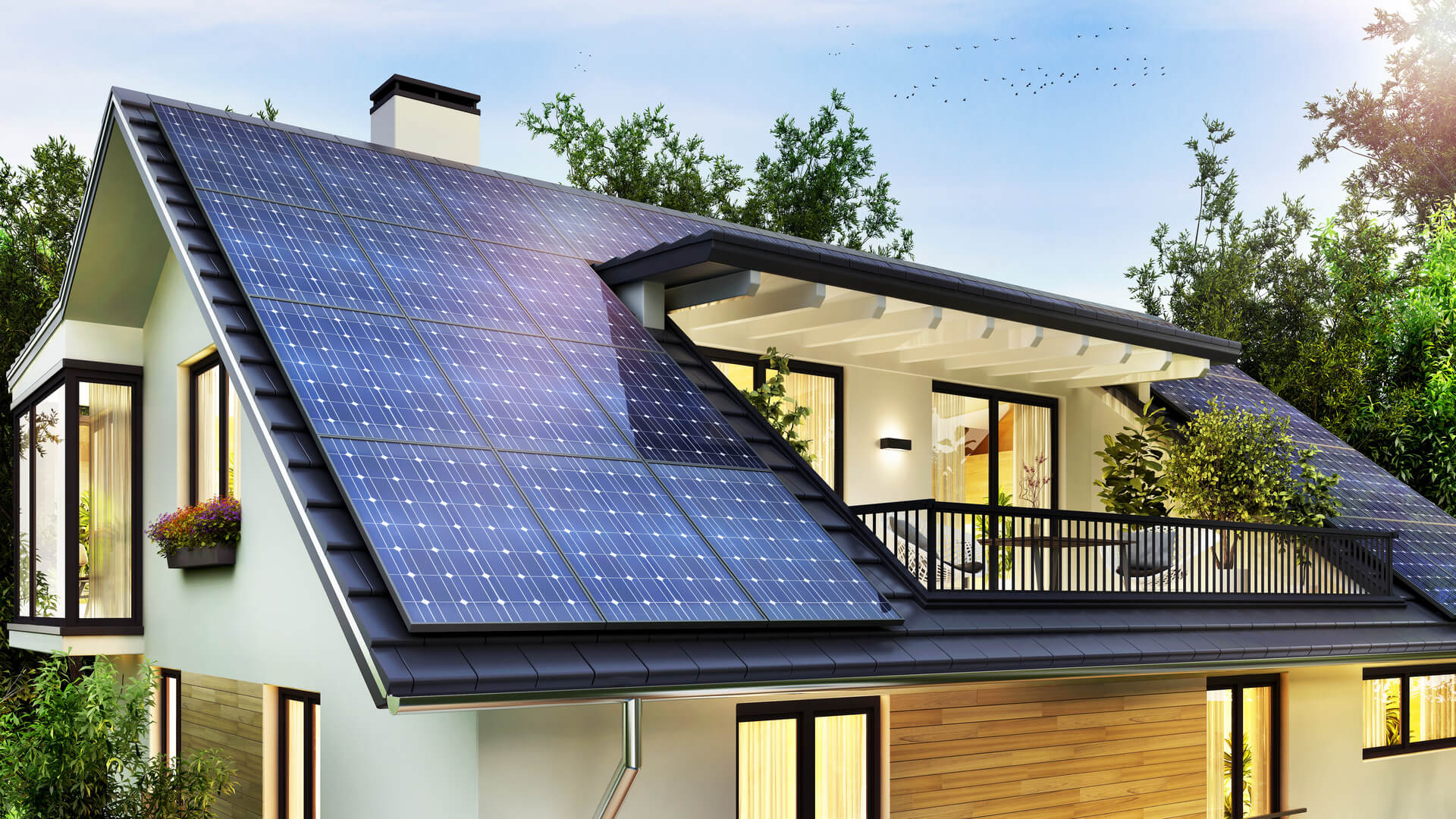
Residential solar installations are one of the most popular solar solutions in Kenya, providing households with a clean, reliable, and cost-effective source of energy. These systems typically consist of solar panels, an inverter, and battery storage (optional), all designed to convert sunlight into usable electricity for home appliances and lighting.
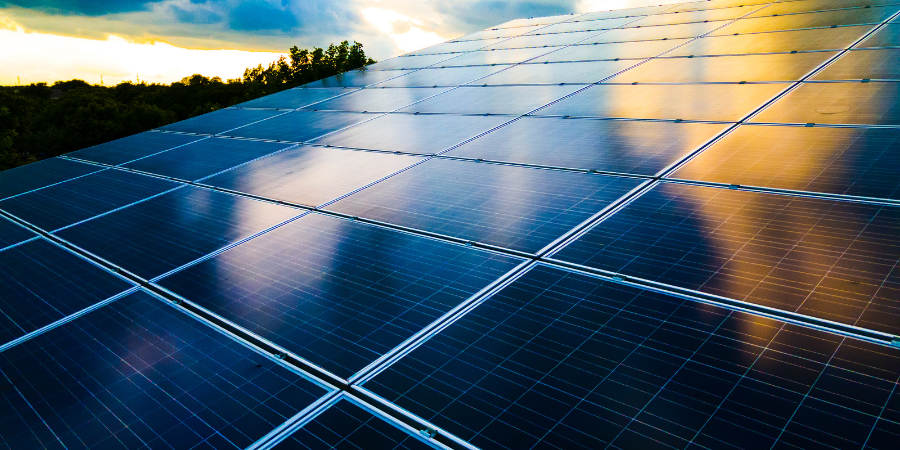
Commercial solar solutions are designed to meet the energy demands of businesses, from small enterprises to large corporations. These systems are typically larger than residential setups and are customized to the unique needs of each business. Commercial solar solutions can provide significant savings on energy costs, while also promoting sustainability and corporate social responsibility.
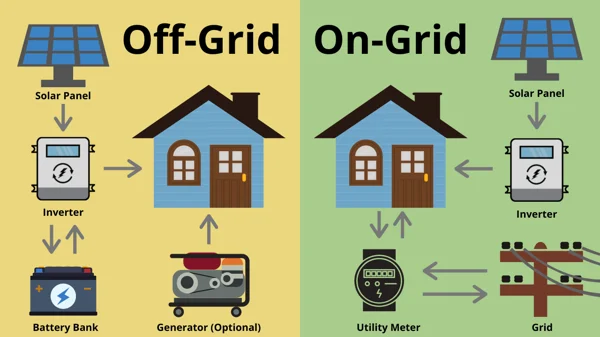
When deciding on the type of solar system to install, one of the most important decisions is whether to opt for an off-grid or on-grid solar system. Both types have their own advantages depending on factors like location, energy needs, and budget.

In addition to solar power for electricity, solar energy is also commonly used for heating water in homes, businesses, and institutions across Kenya. Solar water heating systems are cost-effective and environmentally friendly alternatives to conventional electric or gas water heaters.
Kenyan solar companies offer a diverse range of solutions, from residential and commercial solar installations to off-grid and on-grid systems, as well as solar water heating and other energy solutions. These options allow customers to choose the most appropriate system based on their energy needs, location, and budget. Solar energy continues to play a vital role in providing affordable, sustainable, and clean energy across Kenya, improving access to power in both urban and rural areas.

When choosing a solar company in Kenya, selecting one that is reputable ensures a seamless experience from consultation to installation and beyond. A reputable solar company not only provides quality solar solutions but also offers comprehensive services to ensure that the system operates efficiently for years. Here’s what to expect when working with a trusted solar provider:
A key service provided by reputable solar companies is an in-depth consultation, during which they assess your energy needs and site conditions. This initial consultation ensures that the solar system will meet your requirements and operate optimally.
A reputable solar company will design and install a solar system tailored to your specific needs, ensuring that the system operates at peak efficiency and longevity.
A dependable solar company offers more than just installation services; they also provide ongoing maintenance and support to ensure the longevity and efficiency of your solar system.
The quality of the equipment used by a solar company is crucial to the performance and longevity of the system. A reputable solar provider will only use high-quality panels, inverters, and other components to ensure that the system operates efficiently over its lifetime.
Working with a reputable solar company in Kenya ensures that you receive a comprehensive and professional service, from consultation and system design to installation, maintenance, and after-sales support. They will use quality equipment to ensure the efficiency, longevity, and cost-effectiveness of your solar system, providing you with reliable, sustainable, and affordable energy.

Selecting the right solar company is crucial to ensuring a smooth installation process, reliable system performance, and long-term savings. Here are several important factors to consider when choosing a solar provider in Kenya:
A company’s reputation and track record are significant indicators of its reliability and expertise. A well-established solar company with a solid reputation has likely built trust with its customers through successful installations and consistent service.
A good solar company should offer a comprehensive range of products and services to meet your specific needs. This includes solar panels, inverters, batteries, and other components.
The cost of installing a solar system is a key consideration, but it should not be the sole determining factor. Ensure that you also evaluate the return on investment (ROI) and long-term savings.
A reputable solar company should offer robust warranties and ongoing maintenance services to ensure the longevity and efficient operation of your solar system.
Financing options can make solar installation more accessible, particularly for homeowners or businesses on a budget. Look for a company that offers various financing solutions to help you manage the initial cost of solar system installation.
Choosing the right solar company in Kenya involves assessing various factors, including reputation, product range, costs, warranty, and available financing options. By thoroughly evaluating these aspects, you can ensure that you select a company that will provide high-quality solar solutions, reliable service, and long-term value.

Partnering with Mwanga for solar solutions offers numerous advantages that make it a top choice for residential, commercial, and industrial solar energy needs in Kenya. Here are the key benefits:
Mwanga brings a wealth of expertise and years of experience in the solar energy sector. The company's team consists of highly trained professionals who have successfully installed solar systems across various sectors. Their deep knowledge of solar technology, energy requirements, and local conditions ensures that every installation is optimized for maximum efficiency and reliability.
Mwanga only uses top-tier solar panels and components from trusted international brands, ensuring that clients receive products with the highest standards of quality and performance. The use of high-quality panels ensures longevity, optimal energy generation, and greater savings over time.
Mwanga is committed to offering competitive, transparent pricing that makes solar energy accessible to everyone, without hidden costs. Their pricing structure is designed to fit various budgets, from small residential systems to large-scale commercial setups.
Mwanga offers end-to-end services that cover every step of the solar installation process, from the initial consultation to post-installation support. This comprehensive approach ensures that customers receive the best possible service throughout their solar energy journey.
Mwanga’s commitment to excellence is reflected in the glowing testimonials from satisfied customers. Many of their clients have shared positive experiences about the quality of the installations, the professionalism of the team, and the significant energy savings they have achieved.
Partnering with Mwanga for solar solutions offers a combination of expertise, high-quality products, transparent pricing, comprehensive services, and strong customer satisfaction. These benefits make Mwanga a reliable and trustworthy choice for anyone looking to invest in solar energy in Kenya.

The cost of solar installations in Kenya can vary based on several factors, but overall, the investment in solar energy provides long-term benefits through reduced energy bills and a positive environmental impact. Below are the key factors that influence the cost of solar systems in Kenya, along with insights on pricing, financing options, and available government incentives.
Several factors contribute to the cost of solar installations in Kenya, making it important for potential buyers to understand these variables to budget effectively.
The cost of solar installations in Kenya can vary depending on whether it's for residential or commercial use. Here’s an estimate of the average prices:
The price typically covers the entire system, including solar panels, batteries, inverters, installation, and commissioning.
Many Kenyan solar providers, including Mwanga, offer flexible payment plans and financing options to help customers manage the initial installation cost. Here are the common financing options available:
Kenya’s government has introduced several incentives to encourage the use of renewable energy sources like solar power. These incentives help reduce the financial burden on individuals and businesses looking to adopt solar energy.
The cost of solar installations in Kenya depends on a variety of factors, including the system size, equipment quality, and installation requirements. Financing options, such as pay-as-you-go models and loans, make it easier for individuals and businesses to afford solar energy. Additionally, government incentives further lower the cost of adopting solar energy in Kenya, making it a more viable option for sustainable power.

The solar installation process with Mwanga is streamlined and professional, ensuring that customers receive top-quality service from start to finish. Below is a breakdown of the key stages in the process, from the initial consultation to post-installation support.
The first step in the solar installation process is an initial consultation, where Mwanga’s expert team meets with the customer to understand their energy needs and goals. During this stage, the following occurs:
This stage ensures that the solar solution proposed is tailored to the customer's specific requirements and will deliver maximum efficiency.
Once the energy assessment is complete, Mwanga proceeds with designing the solar system tailored to the customer’s needs.
The system design and proposal stage ensures that both parties are aligned on the scope of the project, the pricing, and the expected outcomes.
The installation of the solar system is carried out in a professional and systematic manner by Mwanga’s team of certified technicians. The process involves several key steps:
The installation process is typically completed in one to two days, depending on the system size and complexity.
Mwanga provides ongoing support after the solar system is installed to ensure long-term performance and customer satisfaction:
With ongoing post-installation support, Mwanga ensures that customers can enjoy reliable and sustainable solar energy without worrying about system maintenance or performance issues.

When selecting a solar system from Kenya solar companies, it’s important to first evaluate your energy consumption and assess the available space for installation. A reputable Kenya solar company will conduct a detailed energy audit and provide customized solutions based on your specific needs. For instance, they will consider whether a grid-tied, off-grid, or hybrid system is the most suitable for your situation. The right system will also depend on factors like budget, location, and the desired level of energy independence.
Yes, solar systems are highly effective in Kenya's climate, given the country's abundance of sunlight throughout the year. Kenya solar companies design systems that are optimized to capture sunlight efficiently even during the rainy season. Solar panels in Kenya can provide consistent energy, especially in regions with clear skies and moderate temperatures. The availability of sunlight for most parts of the year makes solar power a reliable and cost-effective energy solution in Kenya.
Investing in solar power through Kenya solar companies can result in significant long-term savings on energy bills. Although the initial installation cost may seem high, the savings accumulate over time by reducing or eliminating monthly electricity bills. With the decreasing costs of solar panels and government incentives, many consumers see a return on investment (ROI) within 5 to 10 years. Additionally, with solar energy, you can protect yourself from rising energy prices, ensuring consistent and lower energy costs for decades.
The installation timeline for a solar system in Kenya largely depends on the system’s size and complexity. For most residential systems, Kenya solar companies can complete the installation in one to two days, while commercial systems may take a bit longer, typically 3 to 5 days. The installation process includes site assessment, design, and the actual setup of the panels, inverter, and other components. After installation, the system usually requires a few hours for testing and commissioning to ensure it’s operating at full capacity.
Yes, solar panels from Kenya solar companies can still generate electricity during the rainy season. While solar energy production is reduced on overcast or rainy days, solar panels can still capture ambient sunlight and produce energy. In fact, the cool temperatures during the rainy season can even increase panel efficiency. With proper system design and battery storage, solar power can remain a reliable source of energy throughout the year, including during periods of lower sunlight.
Solar systems require minimal maintenance, but routine checks are important to ensure optimal performance. Kenya solar companies typically offer maintenance services such as cleaning the solar panels, inspecting wiring, and checking the inverter and battery storage (if applicable). A clean solar panel surface ensures maximum sunlight absorption, while regular maintenance ensures the system operates at peak efficiency and reduces the risk of failures.
Yes, the Kenyan government offers various incentives for solar energy adoption, including tax exemptions on solar equipment, lower import duties, and VAT exemptions. These incentives are designed to make solar energy more affordable and accessible to homeowners and businesses in Kenya. Additionally, some Kenya solar companies may offer financing options or special packages to help ease the initial investment required for solar system installation.
Absolutely! Many Kenya solar companies specialize in off-grid solar installations. These systems are particularly useful in rural or remote areas that lack access to the national electricity grid. Off-grid solar solutions are designed to provide reliable energy for homes, schools, and businesses, using solar panels, inverters, and battery storage systems. Kenya solar companies can assess your specific needs and design an off-grid solution that works for your location and energy requirements.
The expected lifespan of a solar system installed by Kenya solar companies is typically 25 to 30 years. Solar panels come with warranties that guarantee their performance over this period, with most panels maintaining around 80% of their original efficiency after 25 years. During this time, regular maintenance and care can help extend the system's life and ensure it continues to operate efficiently for many years, offering long-term energy savings.
Hello! How can we help you today?
Start Chat