Security System Installation: Safeguarding Your Space with Cutting-Edge Solutions
In today's world, the importance of reliable security systems cannot be overstated. Whether for residential or commercial properties, a well-designed security system helps protect against theft, unauthorized access, fire, and other potential threats. With the rise in crime and the increasing value of assets, ensuring that your property is equipped with the latest security solutions is essential for maintaining peace of mind.
Proper security installation goes beyond just setting up alarms or cameras; it enhances the overall safety of your property by creating an integrated network of protective measures. A professionally installed system ensures that all components work together seamlessly, offering real-time monitoring, quick response times, and automated alerts for immediate action, no matter where you are.
This guide will walk you through the steps to a successful security system installation, from understanding the components and types of security systems available to evaluating the costs and benefits of professional installation. By following these steps, you’ll be equipped to make informed decisions and ensure the best protection for your property.
Types of Security Systems Available in Kenya
CCTV Surveillance Systems
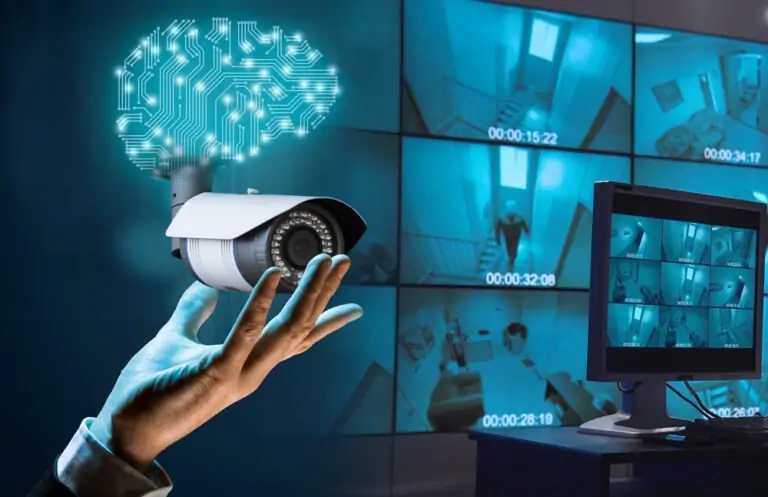
CCTV (Closed-Circuit Television) surveillance systems are among the most effective and widely used security systems in Kenya. These systems allow property owners to monitor their premises continuously, deterring crime and providing valuable evidence when necessary. CCTV systems consist of cameras, monitors, and recorders, which capture video footage that can be viewed live or stored for future reference.
Types of CCTV Cameras:
Analog Cameras: These are the traditional type of CCTV cameras that transmit video signals via coaxial cables. While they are generally cheaper, they offer lower image quality compared to more modern systems.
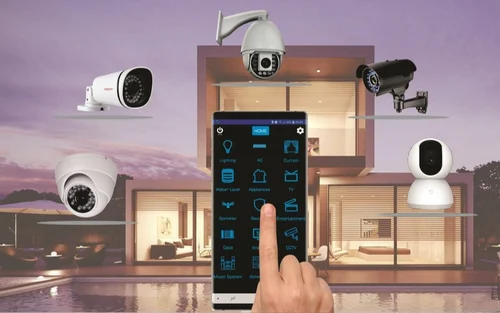
IP Cameras (Internet Protocol Cameras): IP cameras are the most advanced type of CCTV cameras. They connect to the internet, allowing users to view footage remotely via smartphones or computers. These cameras offer high-definition video quality and can be integrated with other smart devices.
PTZ (Pan-Tilt-Zoom) Cameras: PTZ cameras are versatile and can be adjusted remotely to pan, tilt, or zoom in on specific areas. This allows users to monitor a larger area, making them ideal for outdoor spaces or large commercial properties.
Wireless Cameras: These cameras use Wi-Fi or other wireless connections to transmit data, making installation easier and more flexible, especially in areas where running cables is difficult.
Benefits of CCTV Systems:
Deterrence of Crime: The mere presence of cameras can deter criminals from attempting theft, vandalism, or other criminal activities.
Remote Monitoring: Many modern CCTV systems allow users to monitor their property in real-time via mobile apps, providing peace of mind and the ability to respond quickly if necessary.
Evidence Collection: In the event of a crime, CCTV footage can serve as crucial evidence to identify perpetrators and assist law enforcement.
24/7 Surveillance: CCTV systems provide continuous monitoring, even in low light conditions (with night vision capabilities), ensuring that your property is always under watch.
Additional Features:
Motion Detection: Many CCTV systems include motion sensors that trigger recording when movement is detected, saving storage space and making it easier to find relevant footage.
Cloud Storage: Some modern systems offer cloud-based storage, which allows footage to be stored off-site, ensuring data is secure even if the physical system is compromised.
Integration with Other Security Systems: CCTV systems can often be integrated with alarm systems, smart locks, and other security features, providing a more comprehensive approach to property protection.
CCTV surveillance systems are an excellent choice for anyone looking to enhance the security of their home or business in Kenya. Whether you're monitoring the perimeter of a residential property or overseeing a commercial establishment, these systems provide real-time protection and valuable evidence in case of an incident.
Intruder Alarm Systems
Intruder alarm systems are essential for safeguarding properties against unauthorized access or break-ins. These systems are designed to detect intrusions, alert property owners, or notify security companies or law enforcement in the event of a breach. Intruder alarms can be used in homes, businesses, and high-security facilities, offering a key layer of defense.
Key Components of an Intruder Alarm System:
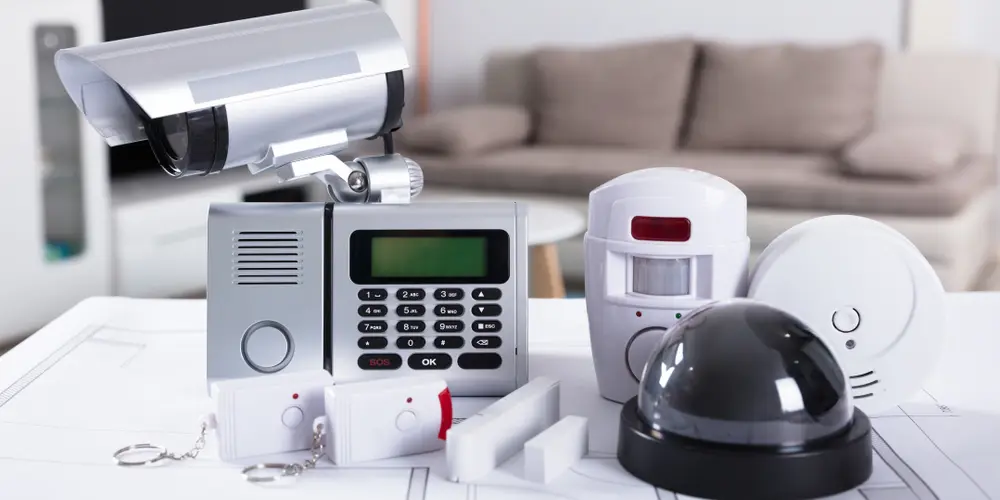
Control Panel: The central hub of the system, the control panel receives signals from the various sensors and determines whether to trigger an alarm. It allows the user to activate, deactivate, or modify the system.
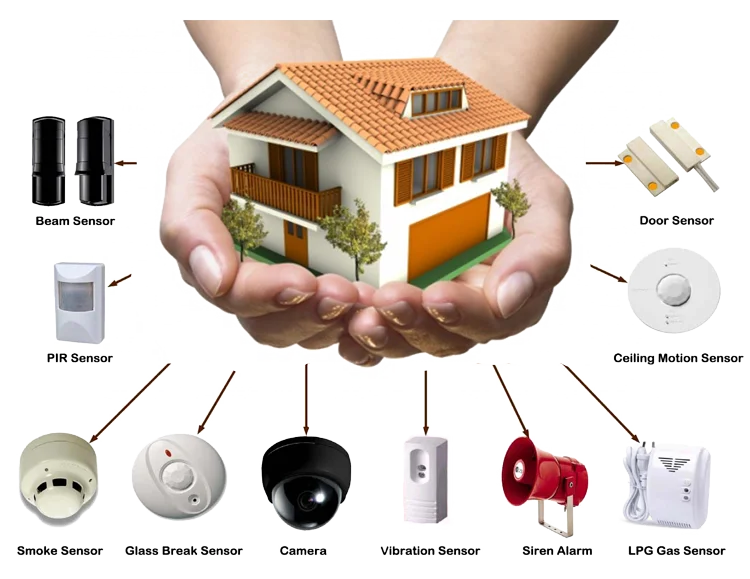
Sensors: Sensors detect unauthorized access or movement. Common types include:
Door/Window Contact Sensors: These are installed on doors and windows and trigger an alarm when they are opened or tampered with.
Motion Detectors: These sensors use infrared technology to detect movement within a specific area. They are typically installed inside the property and activate if movement is detected, such as when a person enters a room.
Glass Break Detectors: These sensors listen for the sound of breaking glass. When a window or door is broken, the alarm is triggered.
Vibration Sensors: These are often used for detecting vibrations from attempts to force open doors or windows.
Alarm Siren: Once an intrusion is detected, the system triggers an alarm, usually a loud siren or bell that is designed to alert both the occupants of the property and neighbors about the potential threat.
Keypads and Remote Controls: These devices are used to activate or deactivate the alarm system. Keypads are usually installed at entry points, allowing users to easily disarm the system when entering or leaving.
Backup Power Supply: In case of a power outage, many alarm systems include a backup power source, such as a battery, to ensure the system remains functional at all times.
Types of Intruder Alarm Systems:
Wired Alarm Systems: These systems are connected via cables and provide stable and reliable connections. They are ideal for properties that are under construction or for those that don't mind the installation of cables.
Wireless Alarm Systems: Wireless alarms connect using radio signals or Wi-Fi, making them easier and faster to install. These are ideal for retrofitting existing properties and areas where running wires would be difficult or unsightly.
Monitored Alarm Systems: In these systems, alarms are connected to a security company or monitoring center. If an alarm is triggered, the monitoring center will alert the property owner or dispatch emergency services. Monitored systems offer an added layer of security because they ensure immediate action is taken.
Unmonitored Alarm Systems: These systems rely on audible alarms alone to alert anyone nearby. While they are effective in alarming the intruder, they don't notify authorities automatically. However, they can still serve as a deterrent.
Advantages of Intruder Alarm Systems:
Instant Alerts: Intruder alarm systems provide immediate alerts in case of unauthorized access, enabling the property owner to act quickly or call for help.
24/7 Protection: With proper installation and configuration, these systems can provide round-the-clock surveillance, ensuring continuous protection whether at home or away.
Deterrence of Crime: The presence of visible sensors and the ability to trigger loud alarms can act as a deterrent to burglars and intruders, reducing the likelihood of a break-in.
Remote Monitoring: Many modern alarm systems are integrated with smartphone apps, allowing users to monitor their property remotely, receive alerts, and even control the system from anywhere.
Insurance Benefits: Some insurance companies offer discounts for properties equipped with intruder alarm systems, as they reduce the risk of theft and damage.
Additional Features:
Integration with CCTV Systems: Alarm systems can be integrated with CCTV surveillance systems for enhanced monitoring. In case of an alarm, the CCTV cameras can capture footage of the intruder and send it directly to the user or monitoring center.
Panic Buttons: These are discreet devices placed around the property that can be pressed in case of an emergency. The system triggers an alarm silently, notifying authorities or the monitoring station without alerting the intruder.
Intruder alarm systems are an essential component of any modern security setup, offering rapid detection of unauthorized access and providing peace of mind to property owners. Whether used for a residential home or a commercial enterprise, these systems are highly effective at preventing crime and ensuring that appropriate actions are taken when an intrusion occurs. With the option for professional monitoring, remote access, and integration with other security technologies, intruder alarm systems offer an invaluable layer of protection.
Smart Home Security Solutions
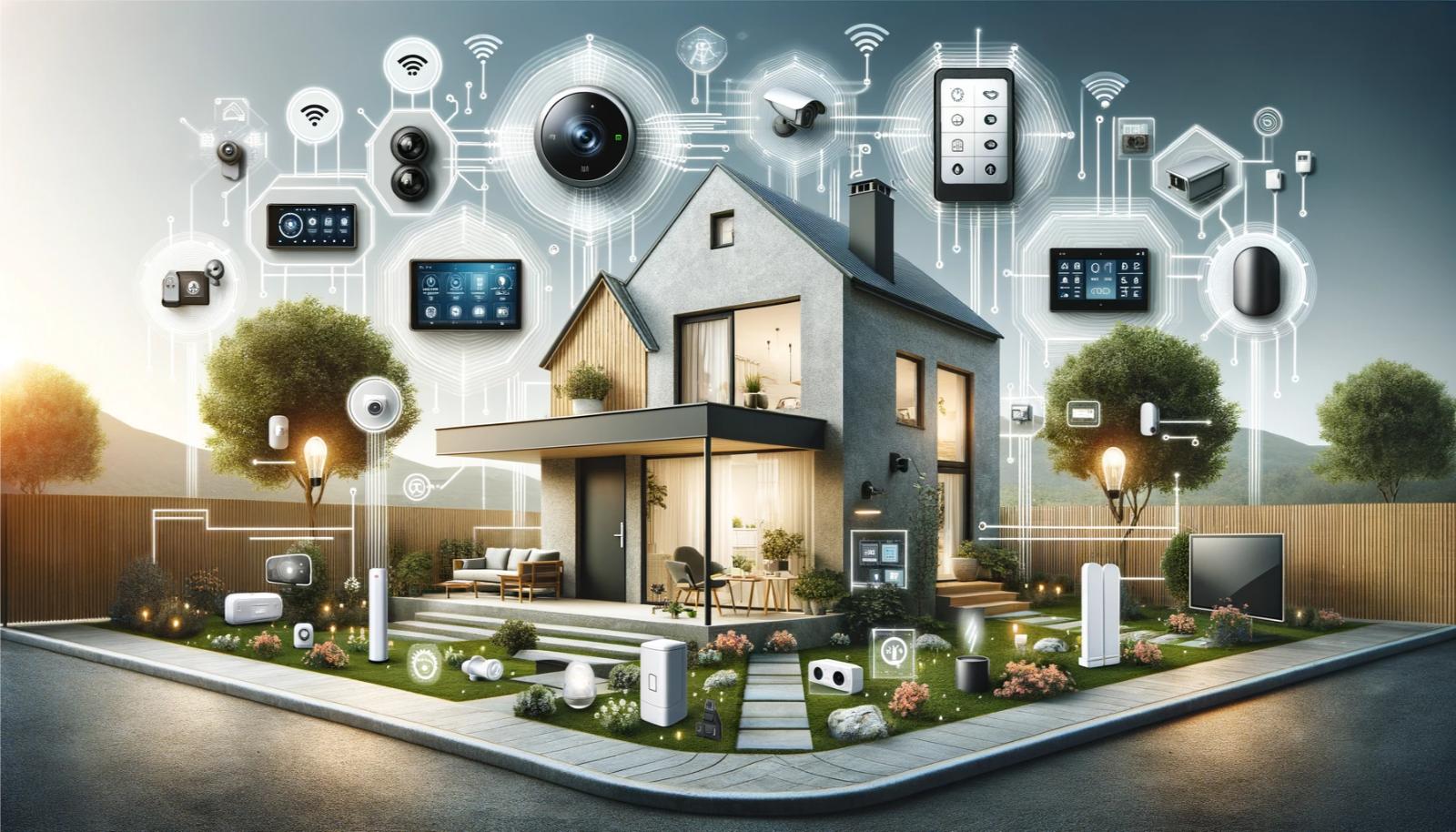
Smart home security solutions represent the integration of advanced technology to create a more connected, efficient, and secure environment for homes and businesses. These systems allow property owners to remotely monitor and control various aspects of their security through smartphones, tablets, or computers. By combining elements such as cameras, alarms, lights, sensors, and locks, smart home security systems offer a higher level of convenience, customization, and control compared to traditional security systems.
Key Features of Smart Home Security Systems:
Remote Access and Control: One of the primary benefits of smart home security is the ability to monitor and control your system from virtually anywhere in the world. Through mobile apps, homeowners can arm or disarm the system, lock or unlock doors, view live video feeds from security cameras, and receive instant notifications of any activity.
Integration with Other Smart Devices: Smart home security systems can be seamlessly integrated with other smart devices in your home, such as thermostats, lighting, and voice assistants like Amazon Alexa or Google Assistant. This allows for automated actions—like turning on lights or adjusting the thermostat—when motion is detected, or when the system is armed or disarmed.
Motion Sensors and Detection: Smart security systems often include motion detectors that can trigger an alarm or activate cameras when movement is detected. These sensors can also be programmed to adjust lighting or even alert other smart devices, enhancing the overall security environment.
Smart Locks: Smart locks allow you to control access to your home from your phone. You can lock or unlock doors remotely, grant temporary access to guests or service providers, and monitor who enters and exits your home. These locks can also be linked to a smart home automation system, ensuring greater convenience and security.
Smart Video Surveillance: Smart cameras provide high-definition video surveillance with advanced features like motion detection, facial recognition, and two-way audio communication. Many smart cameras can be integrated with cloud storage, so you can access recorded footage from anywhere, anytime. They also offer the option of notifying you in real-time about any unusual activity.
Automated Alerts and Notifications: If your smart home security system detects unusual activity, it will instantly send notifications to your phone or other connected devices. Whether it's a door left ajar, movement detected inside your home, or an alarm triggered, these alerts allow you to react quickly and take appropriate action.
Voice Control and Automation: Integration with voice assistants such as Amazon Alexa or Google Assistant allows you to control your security system with simple voice commands. For example, you can say, “Alexa, arm the security system” or “Hey Google, show me the front door camera.” Voice control adds an extra layer of convenience and ease of use.
Types of Smart Home Security Solutions:
Smart Security Cameras: These cameras offer high-definition video feeds, motion detection, and night vision. Many also allow for cloud storage of video footage. Some popular smart cameras include doorbell cameras, indoor cameras, and outdoor cameras with weatherproof designs.
Smart Doorbell Systems: These devices, such as the Ring doorbell, allow homeowners to monitor who is at their front door in real time. Equipped with a camera, speaker, and microphone, users can communicate with visitors through their smartphones and even see them via video, all while being thousands of miles away.
Smart Smoke and Carbon Monoxide Detectors: These devices not only detect smoke and carbon monoxide but also send alerts to your phone when an issue is detected. Some systems even automatically notify emergency responders in case of a fire or gas leak, ensuring swift action.
Smart Lighting: Smart lights can be programmed to turn on or off based on certain triggers, such as motion detection or time of day. They can also be linked to your security system to create the illusion that someone is home, thereby deterring potential burglars.
Smart Sensors: These sensors can detect a variety of factors, including the opening of doors and windows, temperature changes, and water leaks. They are ideal for protecting entry points and areas susceptible to environmental risks.
Benefits of Smart Home Security Solutions:
Convenience and Ease of Use: Smart security systems allow homeowners to control every aspect of their security setup from a single mobile app, making it incredibly convenient to monitor and manage their home’s security.
Enhanced Security and Alerts: Smart home systems offer real-time alerts, so you can take immediate action if necessary. Many systems also have advanced features like facial recognition or automatic lock activation, which can enhance your property’s protection.
Automation and Customization: Smart home security solutions can be customized to meet your specific needs. For example, you can create schedules to automate certain tasks like turning lights on and off or setting motion sensors to be active at specific times.
Energy Efficiency: Smart systems can integrate with home automation to optimize energy usage. For example, when the security system is armed, the system can automatically adjust the thermostat and lights, leading to energy savings.
Remote Monitoring and Control: Whether you’re at home or away, you can always check the status of your home security. Whether it’s viewing camera footage, locking doors, or receiving alerts, remote access allows for complete control from anywhere.
Smart home security solutions offer advanced features that provide more than just basic security. They enable homeowners to monitor, control, and automate their home security with ease, offering greater convenience, safety, and peace of mind. As technology continues to evolve, smart security systems in Kenya are becoming an increasingly popular choice for homeowners who want an integrated, modern solution that suits their lifestyle. Whether you’re protecting your family, property, or valuable assets, a smart security system can offer peace of mind knowing that you are in control.
Access Control Systems
Access control systems are essential tools for securing restricted areas and managing who can enter or exit a property, building, or specific zones within a property. These systems use various methods to ensure that only authorized individuals are allowed access to certain locations. Access control systems are widely used in both residential and commercial properties, including office buildings, factories, schools, and gated communities, providing an added layer of security and preventing unauthorized entry.
Key Features of Access Control Systems:
Keyless Entry: One of the most popular features of access control systems is keyless entry, where traditional keys are replaced by electronic credentials such as PIN codes, smart cards, biometric identification, or mobile devices. This feature enhances convenience by eliminating the need for physical keys and the risk of lost or stolen keys.
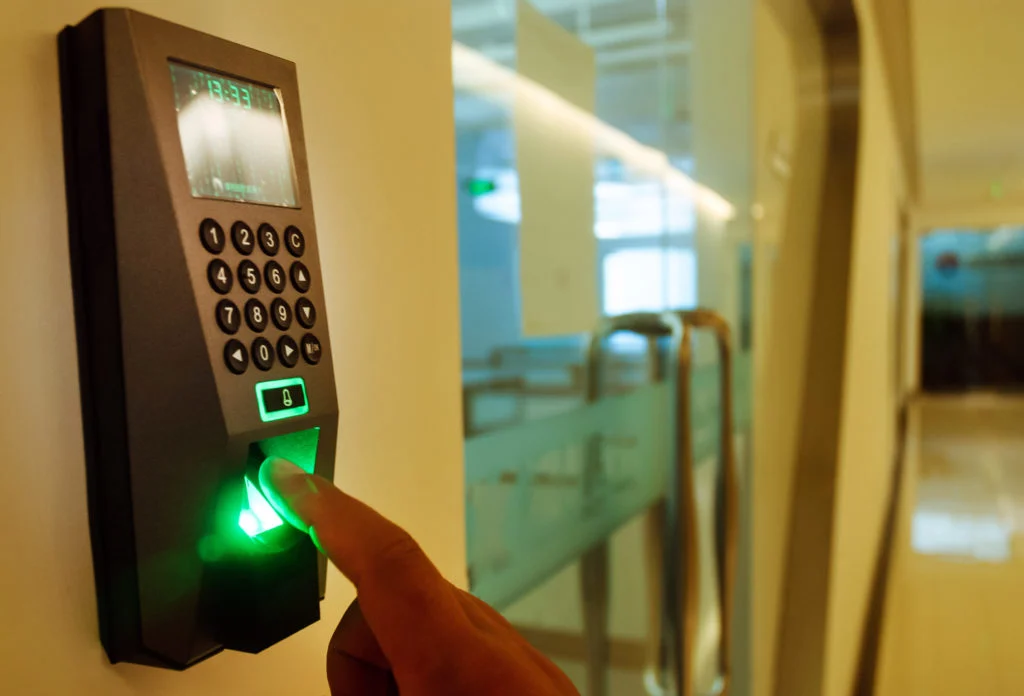
Biometric Identification: Biometric access control systems use physical characteristics, such as fingerprints, facial recognition, or retina scans, to grant access. This method is highly secure as biometrics are unique to each individual and cannot be easily replicated or shared, making unauthorized access almost impossible.
Card-Based Access: In card-based systems, individuals are given access cards, which may be magnetic stripe cards, smart cards, or proximity cards. These cards are swiped or scanned at designated access points (e.g., doors, gates, turnstiles), which are connected to the system's control panel that grants or denies access.
PIN and Password Systems: Access control systems often utilize PIN codes or passwords for entry. This is a popular option for businesses and residential security systems where users enter a secret code to gain access. PIN and password systems can be customized for different users, allowing for varying levels of access.
Mobile Access: With advancements in smartphone technology, some access control systems allow users to use their mobile phones as credentials for entry. Through Bluetooth, NFC (Near Field Communication), or a specific mobile app, users can unlock doors, gates, or other access points using their phones.
Visitor Management: Many access control systems offer visitor management features, allowing temporary access to visitors. Visitors can be issued temporary credentials such as access cards, codes, or temporary biometric data that allow them to access specific areas for a limited time. These systems often record the time of entry and exit for security monitoring.
Time-based Access: Access control systems can be configured to allow entry only during specific hours. For example, employees may only be granted access to their workplace during working hours, and residential security systems can be programmed to lock doors at certain times for added security. This helps to restrict access outside of authorized hours and minimize risks.
Audit Trails and Activity Logs: Access control systems often generate detailed logs of who accessed which areas, when, and for how long. These audit trails are useful for security monitoring, investigating suspicious activity, and maintaining accountability.
Types of Access Control Systems:
Standalone Access Control: These are independent systems that operate on a single door or point of entry. They are ideal for smaller installations, such as individual residential properties or small businesses, where only one or two entry points need to be secured.
Networked Access Control: This system connects multiple access points to a central control panel or software, allowing for the monitoring and management of multiple doors or gates from a single location. This type of system is ideal for larger buildings or campuses with several access points that need centralized control.
Cloud-based Access Control: This modern system stores and manages access data on the cloud rather than on local servers. Cloud-based systems offer the benefit of remote management, where administrators can control access from anywhere with an internet connection. This system is often used in large enterprises, universities, and facilities that require scalable and flexible solutions.
Integrated Access Control: This system combines access control with other security features such as video surveillance, alarms, and building automation. Integrated systems provide a comprehensive security solution by allowing different security components to work together, enhancing overall safety and streamlining management.
Benefits of Access Control Systems:
Enhanced Security: Access control systems improve security by restricting entry to unauthorized individuals. This helps protect valuable assets, sensitive information, and people within the premises. With features like biometric identification or mobile access, only authorized users can enter secure areas, significantly reducing the risk of intrusions.
Reduced Reliance on Physical Keys: By eliminating traditional keys, access control systems reduce the risks associated with lost, stolen, or duplicated keys. In the case of a lost or stolen card, PIN, or phone, access can be instantly revoked without needing to change locks.
Scalability and Flexibility: Access control systems can be customized and scaled to fit a wide range of needs, from small residential properties to large commercial facilities. New access points can be added, and additional features such as visitor management or time-based access can be implemented as needed.
Audit Trails for Monitoring and Compliance: The ability to generate detailed access logs provides valuable information about who accessed certain areas and when. This is helpful for monitoring activity, investigating security breaches, and meeting regulatory compliance requirements.
Convenience for Users: Access control systems provide a convenient and efficient way to grant or restrict entry. With mobile access, PIN codes, or biometric authentication, users don’t need to worry about carrying physical keys, and access can be granted quickly and securely.
Cost-Effective: While the initial investment in an access control system may be significant, the long-term cost savings from reducing the need for physical key management, as well as the added protection from potential security breaches, can make it a cost-effective solution over time.
Access control systems are a critical component of modern security solutions, offering a range of options for securing properties, from biometric identification and card-based systems to mobile access and cloud-based management. These systems provide enhanced security, greater convenience, and the flexibility to scale as needs change. Whether you're securing a small residential home or a large corporate facility, investing in a high-quality access control system can help protect your property and ensure that only authorized individuals have access to restricted areas.
Fire and Smoke Detection Systems
Fire and smoke detection systems are critical components of any comprehensive security solution, providing essential protection against the devastating effects of fire. These systems are designed to detect the presence of smoke, heat, or fire at the earliest possible stage, allowing for a quick response and minimizing the potential damage to property and lives. Fire and smoke detection systems are commonly used in both residential and commercial settings, from homes and office buildings to factories and schools, offering vital early warning capabilities.
Key Features of Fire and Smoke Detection Systems:
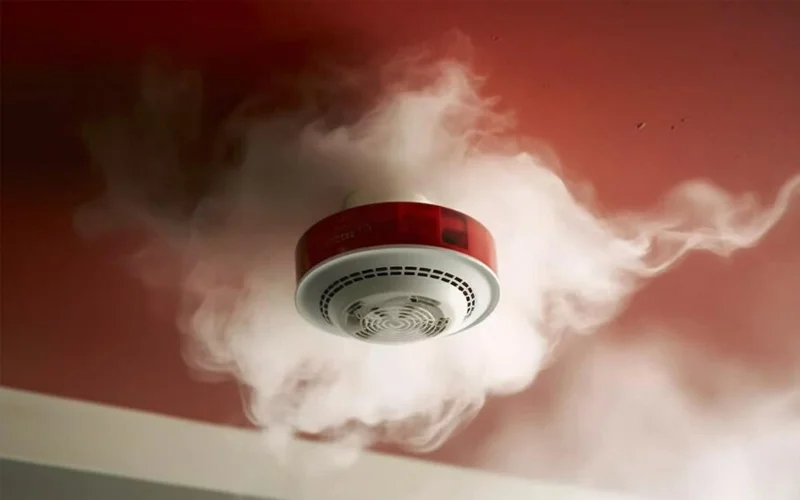
Smoke Detectors: Smoke detectors are the most common type of fire detection system. They detect the presence of smoke particles in the air, which can be indicative of a fire. There are two primary types of smoke detectors:
Ionization Smoke Detectors: These detectors use a small amount of radioactive material to ionize the air inside the sensing chamber. When smoke enters the chamber, it disrupts the ionization process, triggering the alarm.
Photoelectric Smoke Detectors: These detectors use light sensors to detect smoke. When smoke enters the detection chamber, it scatters the light beam, causing the detector to sound the alarm. Photoelectric detectors are often preferred for smoldering fires.
Heat Detectors: Heat detectors are designed to sense changes in temperature. They can detect rapid increases in temperature that occur during a fire. These detectors are particularly useful in areas where smoke detectors might be prone to false alarms due to dust or other environmental factors. Heat detectors can be used in conjunction with smoke detectors for added protection.
Combination Smoke and Carbon Monoxide Detectors: Some fire detection systems combine smoke detection with the ability to detect carbon monoxide (CO), a colorless and odorless gas produced by fires and faulty heating systems. These combined systems provide broader protection, particularly in homes where both fire and carbon monoxide exposure pose risks.
Fire Alarm Systems: Fire alarms are integrated systems that use various sensors (smoke, heat, or a combination) to trigger an audible alarm when a fire is detected. These alarms are typically installed in residential, commercial, and industrial properties to alert occupants and responders to a fire hazard. Fire alarms can be interconnected so that if one alarm detects a fire, all alarms in the building will sound.
Sprinkler Systems: Some fire detection systems are linked to sprinkler systems that automatically release water when a fire is detected. These systems are typically found in commercial buildings, industrial facilities, and high-rise apartments to limit fire spread and minimize damage until emergency services arrive.
Flame Detectors: Flame detectors are used to detect the presence of flames in an environment. These systems can detect the specific light emitted by a flame and trigger an alarm. Flame detectors are more specialized and are typically used in high-risk environments, such as chemical plants or industrial settings, where a rapid response is essential.
Benefits of Fire and Smoke Detection Systems:
Early Detection and Response: The primary benefit of fire and smoke detection systems is their ability to provide early warning. Early detection gives occupants more time to evacuate and reduces the risk of fire-related injuries and fatalities. It also helps emergency services respond more quickly, potentially preventing extensive damage to property.
Minimized Damage: By detecting fire or smoke in its early stages, fire detection systems help minimize property damage. In commercial properties, early alerts can also prevent the loss of valuable inventory and equipment, saving businesses from substantial financial losses.
Improved Safety and Peace of Mind: The presence of a fire and smoke detection system provides peace of mind to property owners, residents, and employees. Knowing that there is an active system in place to detect potential fires allows individuals to feel secure and protected.
Reduced Insurance Premiums: Installing fire and smoke detection systems can often result in reduced insurance premiums, as many insurers offer discounts to properties with comprehensive fire safety systems in place. This can result in long-term savings for homeowners and businesses.
Automated Emergency Response: Many modern fire detection systems are integrated with emergency response protocols. For example, when a fire is detected, the system can automatically notify fire departments or trigger sprinkler systems to suppress the flames, providing an automated response that can mitigate damage before firefighters arrive.
Compliance with Legal and Insurance Requirements: In many regions, buildings are required by law to have fire detection systems in place. Additionally, insurance companies often require fire detection systems as part of their policy terms. Installing these systems ensures compliance with both legal and insurance standards.
Types of Fire and Smoke Detection Systems:
Standalone Systems: Standalone systems are individual smoke or heat detectors that function independently. These systems are best suited for small residential properties or individual rooms where comprehensive integration with other systems is not necessary. They offer basic protection by triggering an alarm when smoke or heat is detected.
Integrated Fire Alarm Systems: These systems are networked together, allowing for the connection of multiple sensors (smoke, heat, and carbon monoxide detectors) throughout the building. Integrated fire alarm systems provide broader coverage and can be connected to external monitoring services, which alert emergency responders when a fire is detected.
Addressable Fire Alarm Systems: Addressable systems offer the added benefit of being able to pinpoint the exact location of a fire or smoke detection. Each detector has its own unique address, and if an alarm is triggered, the system can identify which sensor was activated. This type of system is often used in larger buildings and commercial spaces where pinpointing the exact location of a fire is crucial.
Wireless Fire Detection Systems: Wireless systems are becoming increasingly popular for properties that cannot accommodate wired installations. These systems rely on wireless communication between detectors and alarm panels, offering flexibility in installation and making them ideal for retrofitting older buildings or properties with difficult wiring setups.
Fire and smoke detection systems are an essential aspect of property security, providing early warnings that help save lives, minimize property damage, and protect valuable assets. With a range of technologies such as smoke detectors, heat detectors, and integrated alarm systems, these systems offer effective and reliable protection against fires in various settings. Whether you're securing a home, office, or industrial facility, investing in a high-quality fire and smoke detection system is crucial for ensuring safety and peace of mind.
Steps for Installing a Security System
Installing a security system is a detailed process that requires careful planning, expertise, and precision to ensure maximum protection for your property. Below are the key steps to ensure the successful installation of a security system:
Initial Consultation and Site Assessment
The first step in any security system installation is a thorough consultation and site assessment. This step is crucial to understand the specific security needs of the property, taking into account factors like its size, layout, and potential vulnerabilities. A security expert will typically visit the site to assess the premises, evaluate areas that need monitoring, and consider possible entry points for intruders.
During the consultation, you'll discuss your security concerns, budget, and desired features. The expert will offer advice on the most appropriate security system for your property, whether it's a residential home, commercial building, or industrial facility. This assessment also helps identify any special requirements, such as the need for surveillance in specific areas, integration with other smart home systems, or fire and smoke detection. Ultimately, the consultation ensures that the security system aligns with your unique needs.
Designing a Customized Security System for Your Property
Once the site assessment is complete, the next step is designing a customized security system tailored to your property. This stage involves selecting the types of security measures to incorporate, such as CCTV cameras, alarm systems, access control, and fire detection, based on the earlier consultation.
The design will consider factors like:
Property layout: Where to install security devices such as cameras, sensors, and alarms to maximize coverage and eliminate blind spots.
Potential risks: Areas of the property that are particularly vulnerable to security breaches, such as doors, windows, and secluded sections.
Desired features: Whether you need remote monitoring, smart integration, motion sensors, or other specialized functions.
The goal of the design phase is to create an integrated system that provides comprehensive coverage while being easy to manage and maintain.
Selecting the Right Security Equipment
The next step is selecting the appropriate security equipment based on the customized design. This includes choosing high-quality, reliable devices that suit the requirements identified in the design phase. The security expert will help you select equipment that meets your needs, considering factors such as durability, functionality, and compatibility with other devices.
Key equipment may include:
CCTV Cameras: Choosing the right camera resolution, placement, and coverage (indoor or outdoor) is essential for effective surveillance.
Intruder Alarms: Selecting the right type of alarms—whether motion detectors, window sensors, or door sensors—based on the specific security threats for your property.
Smart Security Devices: For smart homes, devices like smart locks, video doorbells, and app-controlled cameras may be incorporated.
Fire and Smoke Detectors: Ensuring that fire and smoke detection systems are placed in areas with the highest risk and connected to alarms for fast response.
Access Control Systems: Deciding on the type of access control (keypad, biometrics, card readers) that fits your security needs.
The right equipment is critical to the functionality of the system, ensuring that all potential risks are covered without compromising security.
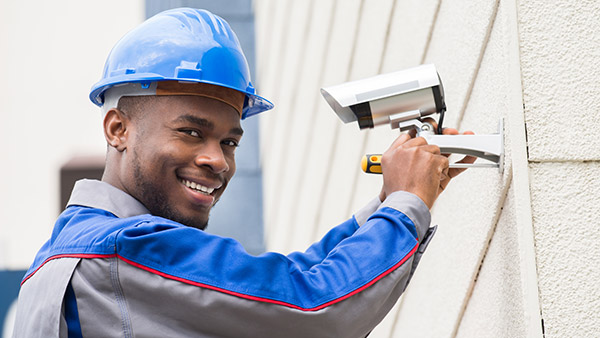
Installing the Security System
With the design and equipment selection complete, the next step is the actual installation of the security system. This involves setting up all devices, sensors, cameras, alarms, and control panels according to the pre-established plan. The installation process may include:
Camera placement: Installing CCTV cameras at strategic locations for optimal visibility and coverage.
Wiring and connectivity: Running necessary wiring for cameras, sensors, and alarms, or setting up wireless devices that communicate over a network.
Control panel setup: Configuring the central control panel that links all components of the security system, allowing for centralized management and monitoring.
Integration: If applicable, integrating the security system with other smart home systems, such as lighting, heating, or smart locks.
A professional installer ensures that all components are securely fitted and properly configured for optimal performance. This stage may take several hours or even days, depending on the complexity of the system and the size of the property.
Testing and Configuration of Security Features
Once the system is installed, it must be thoroughly tested to ensure it works as intended. Testing involves checking all components, including cameras, sensors, alarms, and access control devices, to verify their functionality. Each device should be tested for accuracy, range, and reliability. For example, motion detectors should be tested to confirm that they respond to movement, while cameras should be checked for clear footage and proper angles.
Additionally, the system's configuration settings are finalized during this phase. This includes setting up user preferences, such as:
Alarm settings: Customizing alarm sensitivity, thresholds for triggers, and notification preferences.
Remote monitoring: Configuring mobile apps or web-based dashboards for remote access and real-time monitoring of your security system.
Security zones: Defining specific security zones for different areas of the property, such as perimeter, entry points, or restricted areas.
Once the testing and configuration are complete, a final walkthrough ensures that everything is working as expected. The installer will also provide instructions on how to use and maintain the system, ensuring that you feel confident in operating your new security setup.
Key Features to Look for in a Security System
When choosing a security system, it's essential to consider certain key features that will enhance its effectiveness and convenience. These features ensure that your system offers comprehensive protection, while also providing the flexibility and functionality you need for seamless monitoring and control. Below are the key features to look for when selecting a security system:
Integration with Other Home or Business Systems
A good security system should be able to integrate smoothly with other systems in your home or business, such as lighting, heating, and smart appliances. This integration allows for a more holistic and efficient security setup. For instance, you can link your security system with smart lighting to automatically turn on lights when motion is detected, or you can integrate it with smart thermostats to adjust the temperature when an alarm is triggered.
For businesses, this integration can extend to systems like employee access control, visitor management, and even alarm systems linked to emergency response protocols. The ability to integrate with other systems makes your security system more versatile and helps streamline your overall property management.
Remote Monitoring and Mobile App Control
Remote monitoring and mobile app control are among the most important features for modern security systems. These features allow you to monitor and control your security system from anywhere, whether you're at home, at work, or on vacation. Mobile apps provide instant access to live video feeds, alarm status, sensor data, and more, all from the convenience of your smartphone or tablet.
With remote monitoring, you can also receive real-time alerts if a sensor is triggered, or if there is any suspicious activity detected. This feature is crucial for peace of mind, as you don’t have to be physically present on-site to ensure that your property is safe. Moreover, you can arm or disarm the system, adjust settings, or even speak to visitors through two-way audio, all from the app.
High-Quality Video Surveillance and Motion Detection
High-quality video surveillance and motion detection are foundational features of any robust security system. CCTV cameras with high-resolution video capture (1080p or higher) are essential for clear and detailed footage, especially when identifying faces, license plates, or other important details during an event.
Motion detection sensors complement video surveillance by triggering recording or alarms when movement is detected in specific areas. This helps to capture events that would otherwise go unnoticed and reduces unnecessary footage from empty areas. Some systems are equipped with advanced motion sensors that can differentiate between people, animals, and objects, minimizing false alarms. For comprehensive security, ensure your surveillance system offers clear night vision capabilities for monitoring even in low-light conditions.
Smart Technology Integration for Enhanced Security
Smart technology integration is a key trend in modern security systems, adding layers of automation and control to enhance security. For instance, smart doorbell cameras allow you to see and interact with visitors at your door, even when you’re not at home. Smart locks enable you to remotely lock or unlock doors, providing controlled access for authorized individuals.
Other smart integrations can include the automation of lights, thermostats, or curtains, which can be programmed to adjust when your system detects unusual activity or when you leave home. Additionally, systems that integrate with voice assistants like Amazon Alexa or Google Assistant allow you to control your security system with simple voice commands, adding both convenience and efficiency to your security measures.
Reliable Alarm Systems for Instant Alerts
A reliable alarm system is crucial to ensure that you’re alerted immediately to any security breaches. These alarms can be triggered by various factors, including motion detection, unauthorized entry, smoke or fire detection, or the activation of panic buttons. A well-designed alarm system should be able to alert both you and emergency responders if necessary, giving you ample time to respond to potential threats.
Many modern alarm systems also include features like audible alarms that deter intruders on-site and silent alarms that alert security teams or authorities without notifying the intruder. In addition to instant notifications, some alarm systems allow you to receive alerts via text, email, or app notifications, ensuring you’re always informed in real time, no matter where you are.
Selecting a security system with the right features is critical to ensuring maximum protection for your home or business. Integration with other systems, remote monitoring and mobile app control, high-quality surveillance, smart technology features, and reliable alarm systems are all essential components that enhance both the functionality and security of your system. By choosing a system with these key features, you ensure not only greater protection but also greater convenience, giving you peace of mind knowing that your property is secure and easy to manage.
Professional Security System Installation vs. DIY
When it comes to installing a security system, you’re faced with two primary options: professional installation or do-it-yourself (DIY). Both approaches have their merits and drawbacks, and the best choice depends on your needs, budget, and the complexity of the system. Below, we explore the differences between professional security system installation and DIY installation, focusing on the benefits, risks, costs, and reasons why professional installation might be the better choice for many property owners.
Why Choose Professional Installation for Security Systems
Professional installation of a security system offers several advantages over DIY. First and foremost, professionals bring expertise and experience to the table, ensuring that the system is installed correctly and functions optimally. Experts are trained to handle various types of security systems, from CCTV cameras to alarm systems, and know the best installation practices for each. This ensures that your system is set up to provide the highest level of protection, with minimal risk of malfunction or system failure.
In addition, professionals can design a customized security plan that addresses the unique needs of your property. They take into account factors like property layout, entry points, and potential vulnerabilities. By understanding your specific needs, professional installers can recommend the most suitable equipment and ensure it’s positioned correctly for maximum coverage and efficiency. Moreover, many security companies offer warranties on their installation services, giving you peace of mind that the system will be well-maintained.
Advantages of DIY Installation
DIY installation is often considered a more cost-effective option, especially for those with basic security needs. If you’re tech-savvy or have prior experience with home electronics, installing the system yourself can be relatively straightforward and empowering. Many modern security systems come with user-friendly instructions and can be installed without professional help.
Additionally, DIY installation gives you full control over the setup process. You can choose the equipment that suits your budget and preferences, and make adjustments as you go. This is especially beneficial if you’re on a tight budget, as you can avoid labor fees associated with professional installation. DIY installation also allows you to install the system at your own pace, without being rushed, and provides the flexibility to move or expand the system as needed.
Cost Differences Between Professional and DIY Installations
The cost difference between professional installation and DIY installation can vary significantly depending on the type of system you’re installing, the complexity of the setup, and whether you already have the necessary equipment. For DIY, you only pay for the cost of the security system itself, which can be much cheaper than paying for professional labor. This can be appealing for budget-conscious consumers, as labor fees can sometimes exceed the cost of the equipment itself.
On the other hand, professional installation typically comes with an additional cost, which can range from a flat rate to an hourly charge, depending on the security provider and the complexity of the installation. While this adds to the upfront cost, professional installation often ensures that the system is set up correctly from the beginning, which could save you money in the long run by reducing the need for troubleshooting, repairs, or system malfunctions due to improper installation.
Key Risks of Incorrect Installation
Incorrect installation, whether done by DIY enthusiasts or even professionals lacking experience, can lead to a range of security risks and performance issues. For DIY installations, one of the biggest risks is improper wiring or configuration. A poorly connected system can result in unreliable functionality, with sensors failing to trigger or cameras missing critical coverage areas. In some cases, DIY installations can even leave parts of the property unprotected, creating blind spots that intruders can exploit.
In addition to installation errors, incorrect system setup can also compromise the system’s integration with other technologies. For example, failing to connect a security camera properly to your mobile app or cloud service can prevent you from receiving real-time alerts. This can lead to a false sense of security, as you may think your system is working when, in fact, it’s not functioning as intended.
For professional installations, while they generally come with expert guidance, there is still the possibility of human error, particularly if the technician is unfamiliar with specific products or your property’s unique requirements. However, professional installers often test the system thoroughly after installation and offer warranties to address any errors or failures that arise post-installation.
Factors to Consider When Installing a Security System
Installing a security system is a significant investment in the protection of your property, whether it’s a home, office, or business. To ensure the system provides the best possible security, there are several critical factors you must consider. These factors range from the type and layout of the property to the equipment you choose, as well as your budget and the long-term maintenance and support you’ll need. Here’s an in-depth look at each factor to help guide you through the installation process.
Property Type and Layout
The type and layout of your property play a crucial role in determining the kind of security system that will best suit your needs. Residential properties, commercial buildings, and industrial spaces all have different security requirements. For example, a large industrial property with multiple entry points will need a more complex system with advanced surveillance and access control solutions, whereas a small home may only require a basic CCTV or alarm system.
Understanding the layout of your property is equally important. You must identify key areas that require coverage, such as entryways, windows, driveways, and potential blind spots. Proper placement of cameras, sensors, and alarms is essential for ensuring the system provides maximum protection. A security professional can help analyze the property layout and recommend a customized solution tailored to your specific needs, whether you need full perimeter coverage or targeted monitoring in high-risk areas.
Budget and Financing Options
Budget is one of the most significant factors in deciding what kind of security system to install. A high-end, comprehensive security system with multiple components (e.g., CCTV, smart home integration, and access control systems) can be costly, whereas basic systems can be more affordable. Understanding your budget limits helps you make informed decisions on the type of security equipment and installation services you can afford.
In addition to upfront costs, you should also consider ongoing operational expenses, such as monitoring fees, cloud storage for video surveillance, and system maintenance. Many security providers offer financing options to help spread the cost of installation over time, making it easier to afford higher-end systems. If you’re operating on a tight budget, look for security companies that offer affordable, scalable packages, or explore DIY solutions that fit within your price range. It’s important to balance cost with quality to ensure you’re getting adequate protection without overspending.
Choosing the Right Equipment for Your Needs
Selecting the right equipment is critical to creating an effective security system. Different systems serve different purposes, and the choice of equipment depends on your specific security needs. For example, a simple home security setup may only require a few cameras and motion detectors, while a business might need more advanced equipment such as smart access control, fire detection systems, and integrated alarm monitoring.
When choosing equipment, consider the following:
Resolution and Coverage: High-definition CCTV cameras with wide-angle lenses can provide clearer images and better coverage of large areas.
Integration: Consider equipment that can easily integrate with other systems, such as smart home devices, alarms, or access control systems.
Reliability: Ensure that the equipment is reliable and designed for your specific environment (indoor/outdoor use, weatherproof, tamper-resistant, etc.).
Scalability: Choose equipment that allows for easy upgrades or expansion as your security needs grow in the future.
Your chosen security system should align with the level of risk and protection required for your property, so prioritize the most essential features that address potential vulnerabilities.
Ongoing Maintenance and Support
Once your security system is installed, it’s essential to have a plan for ongoing maintenance and support. Regular maintenance ensures that all components continue to operate effectively and reliably. It’s important to test the system periodically, clean camera lenses, replace batteries in sensors, and update software to prevent malfunctions or security breaches.
Many professional security installation companies offer maintenance packages or support services, including regular system checkups, software updates, and emergency repair services. This ongoing support can provide peace of mind, knowing that your system will continue to function at its best. Without proper maintenance, a security system can become outdated or unreliable, leading to gaps in your property’s protection.
Additionally, if you choose to install a system with remote monitoring, be sure that you have access to customer support in case of technical issues with connectivity or device malfunction. Understanding the level of support and availability of maintenance services can be an important factor in choosing your security provider.
Security System Installation Costs in Kenya
The cost of installing a security system can vary significantly based on several factors. It’s important to understand these elements to make an informed decision that meets both your security needs and budget. The price of installation depends on the type of system, the complexity of the installation, the quality of the equipment, and the level of service you require. Below is a detailed breakdown of the factors influencing the cost, as well as typical price ranges and affordable packages available for both homes and businesses in Kenya.
Factors Influencing the Cost of Installation
Several factors contribute to the overall cost of installing a security system in Kenya. Understanding these factors will help you plan your budget effectively and avoid unexpected expenses.
Type of Security System: The type of system you choose is one of the most significant cost determinants. Basic systems like intruder alarms and CCTV cameras will generally cost less than advanced integrated solutions, such as smart home security systems, access control, and fire detection systems.
Scope of Coverage: The size of the property and the areas to be secured also impact the cost. A larger home or business with multiple entry points and larger areas to monitor will require more equipment (e.g., cameras, sensors, alarms), which increases the cost.
Equipment Quality and Brand: High-quality equipment with advanced features (e.g., HD cameras, motion sensors, long-range alarms) typically comes at a higher price. Well-known brands often offer more reliable equipment but can also be more expensive than lesser-known brands or generic models.
Installation Complexity: If your property requires a customized installation with intricate wiring, hidden cameras, or integration with existing systems, the installation process will be more complex and may take longer. This will increase both labor costs and installation time.
Additional Features: Some systems offer extra features such as remote monitoring via mobile apps, cloud storage for video footage, or integration with smart home devices. These features typically come at an additional cost but may provide enhanced convenience and security.
Maintenance and Monitoring: Ongoing monitoring services or scheduled maintenance agreements are typically billed separately. Regular maintenance ensures that the system continues to function effectively, and monitoring services often require monthly or annual fees for professional oversight of your security system.
Breakdown of Typical Security System Installation Prices
To give you an idea of what to expect, here is a breakdown of typical prices for different types of security system installations in Kenya:
CCTV Surveillance Systems:
Basic Setup: KES 30,000 - KES 60,000
High-End Setup (HD cameras, multiple cameras, remote access): KES 70,000 - KES 150,000
Monthly Maintenance & Monitoring: KES 3,000 - KES 7,000
Intruder Alarm Systems:
Basic Setup: KES 15,000 - KES 40,000
Advanced Setup (motion detectors, door/window sensors, control panels): KES 50,000 - KES 100,000
Monthly Monitoring Fee: KES 2,500 - KES 5,000
Smart Home Security Solutions:
Basic Package (smart cameras, doorbell, motion sensors): KES 30,000 - KES 80,000
Advanced Package (integration with other smart devices, app control, voice assistant): KES 100,000 - KES 250,000
Access Control Systems:
Basic Setup (keypad or card-based entry): KES 40,000 - KES 80,000
Advanced Setup (biometric scanners, smart locks, remote access): KES 100,000 - KES 250,000
Fire and Smoke Detection Systems:
Basic Setup: KES 20,000 - KES 50,000
Advanced Setup (integrated with alarms and other systems): KES 60,000 - KES 120,000
Note: These prices are approximate and can vary depending on factors such as the specific equipment used, labor costs, and the provider’s service offerings. It is essential to request a customized quote based on your unique needs.
Affordable Security System Installation Packages for Homes and Businesses
Security providers in Kenya offer a wide range of affordable packages that cater to different types of properties and budgets. Here are a few options that provide excellent value for money while ensuring effective security coverage:
Basic Home Security Package:
Includes: 2 to 3 CCTV cameras (basic resolution), 1 intruder alarm system with sensors, and basic monitoring.
Price Range: KES 35,000 - KES 60,000
Suitable for: Small homes or apartments, providing basic surveillance and alert systems.
Advanced Home Security Package:
Includes: 4 to 6 CCTV cameras (HD resolution), motion detectors, smart alarm system, and mobile app control.
Price Range: KES 70,000 - KES 120,000
Suitable for: Larger homes, with more extensive monitoring needs.
Small Business Security Package:
Includes: 4 to 6 CCTV cameras, intruder alarm system, door/window sensors, and basic access control (e.g., keypad entry).
Price Range: KES 80,000 - KES 150,000
Suitable for: Small businesses with multiple access points, requiring security for property and assets.
Commercial Security Package:
Includes: 8 to 12 CCTV cameras, smart access control, fire and smoke detection, and 24/7 monitoring services.
Includes: Integration with smart devices (lighting, locks, thermostats), CCTV cameras, smart sensors, and remote access.
Price Range: KES 100,000 - KES 250,000
Suitable for: Homeowners looking for an integrated, tech-savvy security solution.
These packages are designed to meet a range of budgets and requirements, and many providers offer flexible financing options to make it easier to manage the cost. Additionally, some providers offer discounts or promotions during certain times of the year, so it’s worth checking for any ongoing offers.
Best Security System Providers in Kenya
Choosing the right security system provider is crucial to ensuring that your property remains well-protected. In Kenya, numerous providers offer a wide range of security solutions for both residential and commercial needs. Below are some of the top security system providers in Nairobi and across Kenya, along with reasons why Mwanga stands out as a trusted partner for your installation needs.
Mwanga :Your Trusted Partner for Security System Installation
Mwanga is rapidly gaining recognition as one of the most reliable and customer-focused security system installation companies in Kenya. Here are some reasons why Mwanga should be your preferred choice for security system installation:
Customized Solutions: Mwanga specializes in designing tailored security systems that cater to the unique needs of each client. Whether you are looking for a basic CCTV setup for your home or an advanced integrated security system for your business, Mwanga ensures that every solution is customized for optimal protection.
Expertise and Experience: With years of experience in the security industry, Mwanga’s team of professionals has the knowledge and expertise to handle any type of security system installation. Their skilled technicians are trained to install and configure the latest security technologies, ensuring top-quality performance.
Affordable Pricing: Mwanga offers affordable security system installation packages that suit various budgets. Their transparent pricing and flexible payment options make it easy for clients to access high-quality security solutions without breaking the bank.
Reliable After-Sales Support: Mwanga is committed to providing exceptional customer service, offering ongoing maintenance and support for all their security systems. Their team is always ready to assist with any troubleshooting, upgrades, or adjustments, ensuring your system remains efficient over time.
Quality Equipment: Mwanga partners with some of the most reputable brands in the security industry to provide high-quality cameras, sensors, alarms, and other security equipment. Their products are durable, reliable, and designed to meet international security standards.
Timely Installation: Mwanga understands the importance of time when it comes to security, and they strive to complete installations promptly without compromising on quality. Their team ensures that your system is fully operational within the agreed timeframe.
Comprehensive Service: Mwanga offers a full range of services, including consultation, site assessment, system design, installation, and training. This end-to-end approach ensures that every client receives a hassle-free experience, with all their security needs covered under one roof.
Reviews and Customer Testimonials
Mwanga’s reputation for excellence is reflected in the positive feedback from satisfied customers across Kenya. Below are some testimonials from clients who have benefited from their security system installation services:
Jane W. - Nairobi: "I recently had Mwanga install a CCTV system at my home, and I couldn't be more pleased with the results. The team was professional, and the system works flawlessly. I can now monitor my home from anywhere using the mobile app. I highly recommend Mwanga for anyone looking to secure their property."
John M. - Mombasa: "Mwanga helped us design and install a security system for our small business. Their team took the time to understand our needs and provided a solution that fits perfectly within our budget. The installation was quick, and the system is easy to use. We feel much safer knowing our business is well-protected."
Sarah L. - Nakuru: "I contacted Mwanga for a comprehensive security solution for my office, including access control, CCTV, and fire detection. Their team did an amazing job! The system was installed seamlessly, and their customer service is outstanding. I am impressed by their professionalism and would definitely use their services again."
David O. - Eldoret: "We’ve worked with Mwanga on multiple projects, and each time they exceed our expectations. They provide top-notch security solutions and are always there for ongoing support and maintenance. I recommend them to anyone in need of reliable and efficient security systems."
These testimonials highlight the high level of satisfaction that customers experience when choosing Mwanga for their security system installations.
FAQs About Security System Installation
What type of security system is best for my home or business?
The best security system installation depends on your specific needs. For a home, a CCTV surveillance system combined with motion detectors and an alarm system is ideal for general protection. For businesses, consider a more integrated approach with access control systems, surveillance cameras, and intruder alarm systems. Consulting with a professional security provider will help tailor the system based on your security needs and the layout of your property.
How long does it take to install a security system?
The duration of security system installation depends on the complexity of the system and the size of the property. For a basic CCTV and alarm system installation, it can take a few hours. However, for a more comprehensive security system installation involving multiple components like access control, fire detection, and smart home integration, it may take several days. The installation time also includes testing and configuration to ensure everything is working properly.
Can I monitor my security system remotely?
Yes, most modern security system installations allow remote monitoring through mobile apps or online platforms. With systems like CCTV cameras and smart home security solutions, you can access live video feeds, receive instant alerts, and manage your security system from anywhere in the world using your smartphone or computer.
How much does it cost to maintain a security system?
Maintenance costs for a security system installation vary depending on the type and complexity of the system. Basic systems may have minimal maintenance costs, which may include periodic servicing or software updates. More advanced systems, especially those with integrated smart home technologies or large-scale commercial security systems, may require ongoing support, repairs, or software upgrades. It’s important to factor in these costs when budgeting for a security system installation.
Are security systems easy to upgrade or expand?
Yes, security system installations are often modular, meaning they can be easily upgraded or expanded. For example, adding more CCTV cameras, sensors, or integrating new technologies like smart locks or fire detection systems can be done without major changes to the existing infrastructure. Professional security providers will ensure that upgrades and expansions are done smoothly and securely.
Can security system installation help reduce insurance premiums?
Yes, many insurance companies offer discounts on premiums for properties that have a professionally installed security system. Installing systems such as CCTV surveillance, fire alarms, and intruder detection systems can help lower the risk of damage or theft, which insurers often reward with reduced premiums. It's a good idea to check with your insurance provider to see what discounts they offer for security system installations.
What is the difference between a DIY security system and a professional installation?
A DIY security system involves purchasing components and setting them up yourself, while professional security system installation ensures that everything is set up by experts. Professional installations typically provide more reliable performance, with proper equipment placement, system integration, and ongoing support. DIY systems might be cheaper initially but can lack the expertise needed for optimal performance and security.
Will my security system work during a power outage?
Many modern security system installations are equipped with backup power supplies, such as batteries or generators, to ensure they continue functioning during a power outage. This is especially important for systems like CCTV cameras and alarm systems, which need to be operational at all times. It is recommended to consult with your security provider to ensure that your system is equipped with reliable backup power.
Can security system installations be customized to fit my needs?
Yes, security system installations are highly customizable. Providers typically offer tailored solutions based on your security concerns, the layout of your property, and your budget. Whether you need basic surveillance or a fully integrated system with alarms, access control, and fire detection, professional installers can create a security solution that meets your exact requirements.
How do I choose the best security provider for installation?
When choosing a security system installation provider, consider factors such as the provider's experience, reputation, the range of systems they offer, customer reviews, and after-sales support. A reliable provider should be able to offer a free consultation, assess your security needs, and recommend a system tailored to your property. It’s also important to ensure they use high-quality equipment and offer ongoing maintenance services to keep your system in optimal condition.
Conclusion
In conclusion, installing a security system involves a series of well-coordinated steps, starting with an initial consultation and site assessment, followed by designing a customized security solution based on your unique needs. The process continues with selecting the right equipment, professional installation, and thorough testing and configuration to ensure everything functions seamlessly. By following these steps, you can significantly enhance the safety and security of your property.
Mwanga stands out as the ideal partner for professional security system installation. With years of expertise, they offer tailored solutions that meet the highest standards of security for both residential and commercial properties. Their team of skilled professionals ensures that your system is installed and configured to provide maximum protection, backed by exceptional customer service and ongoing support.
Don't wait until it's too late—secure your property today with the help of Mwanga. Whether you're upgrading your current system or installing one from scratch, Mwanga is committed to providing reliable, cost-effective, and state-of-the-art security solutions. Contact Mwanga for expert consultation and installation today! For more information, visit Mwanga Security Installations.