


1. What is a Solar CCTV Camera?
[caption id="attachment_3941" align="aligncenter" width="600"]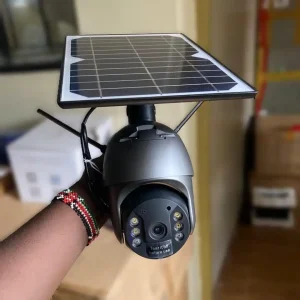
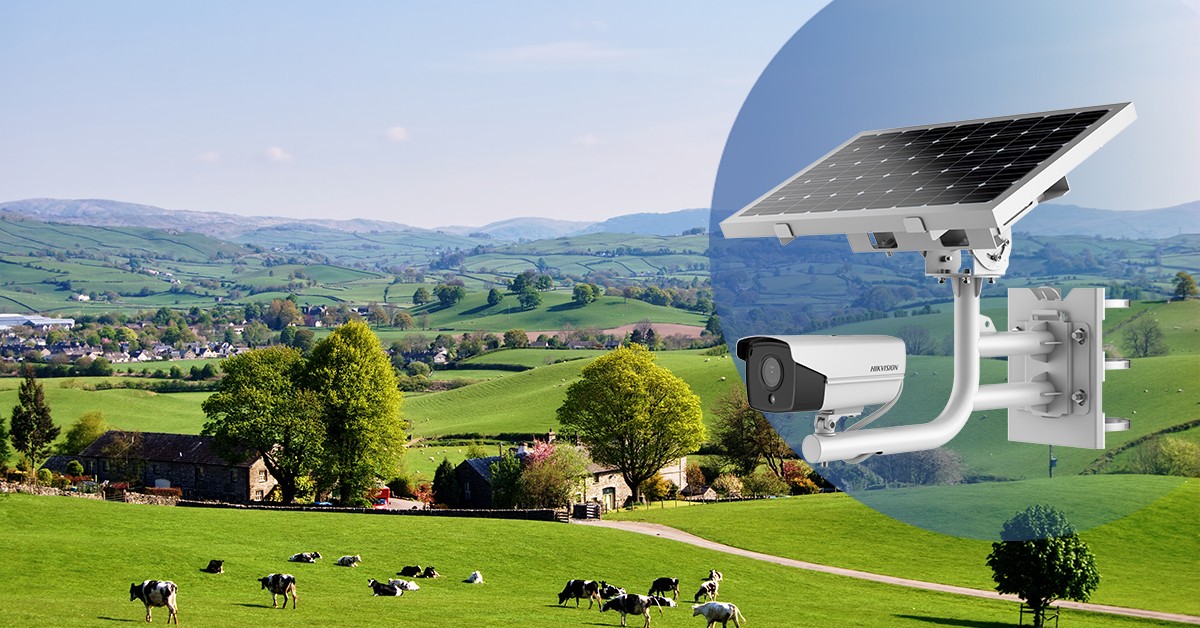
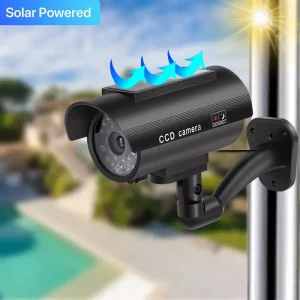
A Solar CCTV Camera is a type of surveillance camera that operates using solar power, typically supplemented with a rechargeable battery. These cameras are designed to provide continuous security monitoring in both urban and remote locations, particularly in areas with unreliable or no access to the electrical grid. Solar CCTV cameras combine traditional surveillance technology with renewable energy, making them an eco-friendly and cost-effective solution for 24/7 surveillance.
1.1 Definition and Components
A Solar CCTV Camera is essentially a regular closed-circuit television (CCTV) camera but with an added solar power system. The key components of a solar CCTV camera include:
-
Camera Lens and Sensor: These are responsible for capturing video footage, just like any standard CCTV camera. They come with features like high-definition (HD) video quality, night vision, motion detection, and sometimes even facial recognition.
-
Solar Panel: The solar panel captures sunlight and converts it into electricity. This is the main energy source for the camera system, powering it during the day and charging the battery for night-time operation.
-
Rechargeable Battery: Solar CCTV cameras use batteries to store excess power generated by the solar panel during daylight hours. These batteries ensure that the camera remains operational even at night or on cloudy days when sunlight is not as abundant.
-
Controller/Regulator: This component regulates the flow of electricity from the solar panel to the camera and battery, ensuring that the system doesn’t overcharge or undercharge.
-
Mounting Bracket: The camera is usually installed on a bracket that holds both the camera and solar panel securely in place.
1.2 Key Differences from Traditional CCTV Cameras
Solar CCTV cameras differ significantly from traditional CCTV cameras in terms of power supply, installation, and maintenance:
-
Power Source: Traditional CCTV cameras rely on a constant power source from the electrical grid. In contrast, solar CCTV cameras are powered by solar energy, making them independent of the local power grid. This is particularly advantageous in remote locations or areas with unreliable electricity supply.
-
Installation: Traditional CCTV systems require extensive wiring to connect the cameras to a power source, often involving professional installation. Solar CCTV cameras are relatively easy to install and require minimal wiring, as they operate independently from the power grid. The installation primarily involves positioning the solar panel in a location with good sunlight exposure.
-
Ongoing Costs: Traditional CCTV cameras incur ongoing electricity costs, as they continuously draw power from the grid. In contrast, solar CCTV cameras require no electricity bills once installed, as they are powered by solar energy. This makes them a more cost-effective long-term solution.
-
Maintenance: While traditional CCTV cameras may need electrical repairs or depend on external power sources for maintenance, solar CCTV cameras are low-maintenance. The primary maintenance task involves cleaning the solar panel to ensure optimal sunlight absorption.
1.3 How Solar Panels Power the System
Solar panels are the backbone of the solar CCTV system’s power supply. The process works as follows:
-
Solar Energy Collection: The solar panel, which is typically mounted on the roof or any high, sun-exposed surface, absorbs sunlight during the day. Solar panels are made up of photovoltaic cells that convert sunlight into electricity. The amount of energy collected depends on factors like the size of the panel and the intensity of sunlight in the area.
-
Energy Storage in Battery: The electricity generated by the solar panel is stored in a rechargeable battery. The battery acts as a backup power source, ensuring the camera continues to function at night or during cloudy days when solar energy generation may be lower.
-
Continuous Power Supply: The solar panel keeps the battery charged throughout the day, while the battery powers the camera at night. This creates a sustainable loop where the camera operates 24/7 without needing to rely on the electrical grid.
-
Controller/Regulator: The controller ensures that the solar power system works efficiently by regulating the energy distribution between the solar panel, the battery, and the camera. It ensures that the battery is charged to optimal levels and prevents overcharging, which could shorten the battery’s lifespan.
Solar CCTV cameras represent a breakthrough in energy-efficient and sustainable security solutions. By using solar power to operate, they are a cost-effective and eco-friendly alternative to traditional CCTV systems, especially in areas with unreliable or no access to electricity. The key difference lies in their ability to operate independently from the grid, making them a viable option for remote areas or places with frequent power outages.
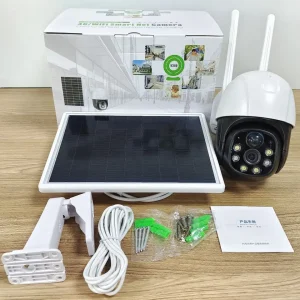
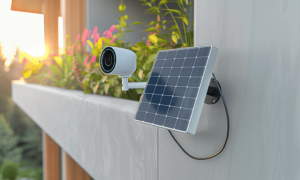 Solar CCTV Camera in Kenya[/caption]
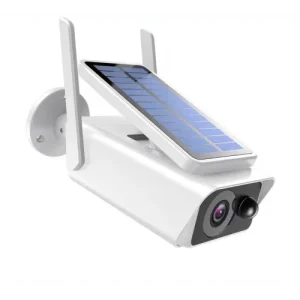 Solar CCTV Camera in Kenya[/caption]
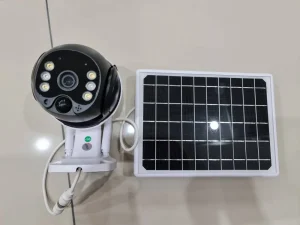 Solar CCTV Camera in Kenya[/caption]
 Solar CCTV Camera in Kenya[/caption]
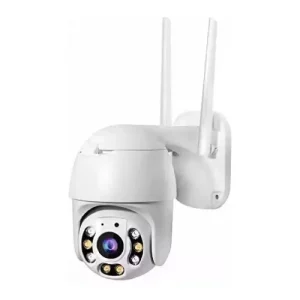 Solar CCTV Camera in Kenya[/caption]
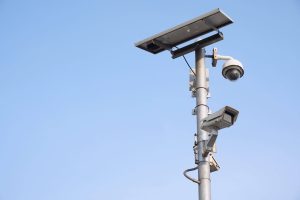 Solar CCTV Camera in Kenya[/caption]
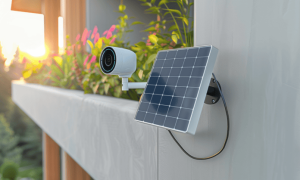 Solar CCTV Camera in Kenya[/caption]
