- top_notice

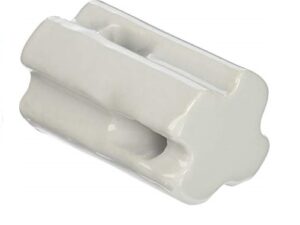
Porcelain Bullnose Strainer Insulator – The Ultimate Guide 1. Introduction to the Porcelain Bullnose Strainer Insulator The Porcelain Bullnose Strainer Insulator is an essential component in electric fencing systems. Designed for use at end strain points, corners, and line terminations,...
The Porcelain Bullnose Strainer Insulator is an essential component in electric fencing systems. Designed for use at end strain points, corners, and line terminations, it helps maintain tension in high-tensile wires while providing exceptional insulation to prevent electrical leakage.
Unlike plastic insulators, porcelain strainer insulators offer higher strength, longevity, and resistance to UV rays, extreme weather, and mechanical stress. They are widely used in agriculture, security fencing, and industrial electrified barriers.
Porcelain is known for its superior electrical insulating properties and extreme durability. It does not degrade under UV radiation, moisture, or temperature changes, making it perfect for long-term outdoor use.
The bullnose shape allows the wire to wrap securely around the insulator while reducing wear and tear. This minimizes the risk of wire breakage, especially in high-tensile fencing applications.
The high dielectric strength of porcelain ensures zero power loss along the fence, keeping the electrical charge strong and uninterrupted. This feature is crucial for maintaining effective perimeter security and livestock containment.
Unlike plastic insulators that degrade over time, porcelain insulators withstand extreme temperatures, heavy rain, snow, and direct sunlight without cracking, weakening, or losing efficiency.
Capable of handling extreme wire tension, this insulator is ideal for permanent fencing systems requiring strong, stable, and secure wire placement.
Installing a Porcelain Bullnose Strainer Insulator is straightforward but requires proper handling for maximum efficiency.
To maximize the lifespan of your Porcelain Bullnose Strainer Insulator, follow these maintenance best practices:
Many people wonder: Why use a porcelain insulator instead of plastic? Here’s a direct comparison:
| Feature | Porcelain Bullnose Insulator | Plastic Insulator |
|---|---|---|
| Durability | Extremely durable (20+ years) | Prone to UV degradation (3-5 years) |
| Weather Resistance | Withstands extreme temperatures | Becomes brittle in cold/hot climates |
| Electrical Insulation | Excellent, zero power loss | Can degrade over time |
| Tensile Strength | Handles high tension wires | May crack under strain |
| Fire Resistance | Fireproof | Can melt in high heat |
| Cost | Higher initial cost but long-term savings | Cheaper upfront but needs frequent replacement |
Clearly, porcelain insulators are the better investment for long-term, high-performance fencing.
These insulators are available at agricultural supply stores, security fence suppliers, and online retailers. Always ensure you purchase genuine high-quality porcelain insulators from reputable brands to avoid low-grade imitations.
The Porcelain Bullnose Strainer Insulator is an indispensable component in electric fencing systems, offering unmatched durability, weather resistance, and electrical insulation.
Whether you need it for livestock fencing, security barriers, or wildlife control, this insulator guarantees superior performance over plastic alternatives.
Would you like recommendations on the best brands available or a high-quality image for reference? Let me know! 🚀


